



By Dr. Gautam Wankhede
In the dynamic realm of healthcare, diagnostics plays a pivotal role, serving as the cornerstone that guides the entire care continuum. As we look ahead, the landscape of healthcare is undergoing significant shifts, driven by technological innovations, changing consumer expectations, and a proactive shift in government approaches.
Crucial trends that will shape the future of diagnostics, include widespread adoption of biosensors and a growth in the use of companion diagnostics; direct to consumer testing and automation; and the transformation of pathology and radiology using AI and advanced analytics.
Companion diagnostics
This swiftly evolving field is witnessing technological strides that not only drive innovation but also enhance patient care. Future scenarios anticipate companion diagnostics becoming integral to personalized medicine, empowering doctors to choose the most suitable treatment for each patient based on their unique characteristics. Technologies such as Next-Generation Sequencing (NGS) and Multiplex Testing are significantly enhancing the efficiency and comprehensiveness of diagnostic testing.
Rise of Point-of-Care Testing (POCT):
The demand for rapid and on-the-spot diagnostics is driving the increased adoption of Point-of-Care Testing (POCT). Technologies like portable devices and at-home testing kits are gaining popularity, enabling quick and convenient access to crucial diagnostic information. In addition to glucose monitoring, pregnancy and infertility testing, infectious disease testing, cholesterol testing, and heart indicators are just a few examples of the expanding array of point-of-care tests and diagnostic tools available.
Post-pandemic, there has been an increasing trend in the adoption of diagnostic tests for home use. This surge in popularity is not confined to urban areas but is also extending to tier 2 and tier 3 cities. Various at-home tests are currently in development for a spectrum of conditions including menopause, genetic disorders, HPV, HIV, thyroid conditions, and cholesterol levels.
Non-invasive diagnostics
Non-invasive diagnostic devices are being developed to provide a more comfortable and convenient testing experience for patients. For example, devices that use breath analysis or skin sensors to diagnose conditions are being developed, eliminating the need for invasive procedures such as blood tests.
Digital Pathology and AI Integration:
The convergence of digital pathology and artificial intelligence (AI) is revolutionizing diagnostic processes. AI algorithms are becoming integral in image analysis, aiding in the identification of patterns and anomalies in diagnostic images. This not only expedites the diagnostic process but also enhances accuracy. Today, radiologists can analyse your scans from a different continent, surgeons can perform complex surgeries without physically touching the patient, and the initial efficacy assessment of a new drug can be achieved solely using a computer model. All these advancements have become possible through the widespread adoption of technology. At Mylab, we are proud to have been a part of this revolution and we plan to contribute more to the coming years.
Real-time diagnostics
From wearable devices tracking glucose levels to real-time PCR testing, real-time diagnostics represent innovative breakthroughs. Wearable biosensors, integrated into various accessories, provide a comprehensive set of physical health data, offering continuous monitoring and timely insights for clinical decision-making.
Infectious Disease Diagnostics:
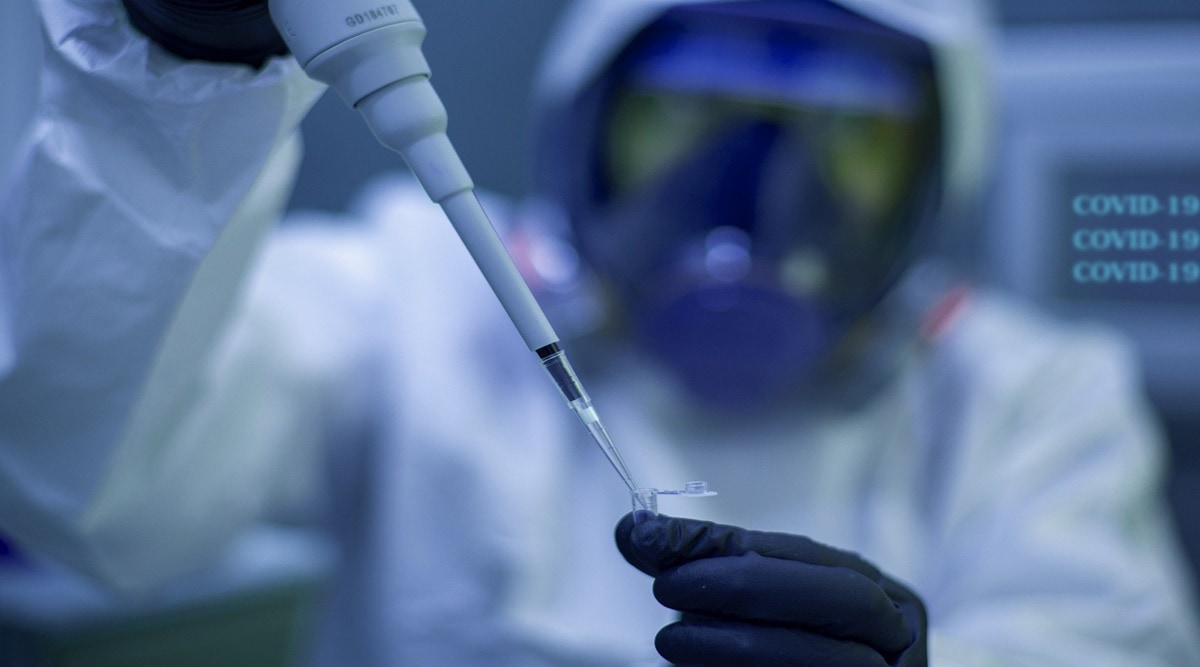
The COVID-19 pandemic has underscored the critical role of diagnostics in managing infectious diseases. The sector is expected to witness continued focus on developing rapid and scalable diagnostic solutions to enhance pandemic preparedness.
Conclusion:
The diagnostics sector is on the cusp of transformative changes, driven by technological innovations, shifting adoption patterns, and persistent challenges. As we step into the upcoming year, the industry’s ability to harness these developments will play a pivotal role in advancing healthcare outcomes and meeting the evolving needs of patients and healthcare professionals alike.
(The author is a Director of Medical Affairs, Mylab Discovery Solutions. Views expressed are personal and do not reflect the official position or policy of the FinancialExpress.com.)