



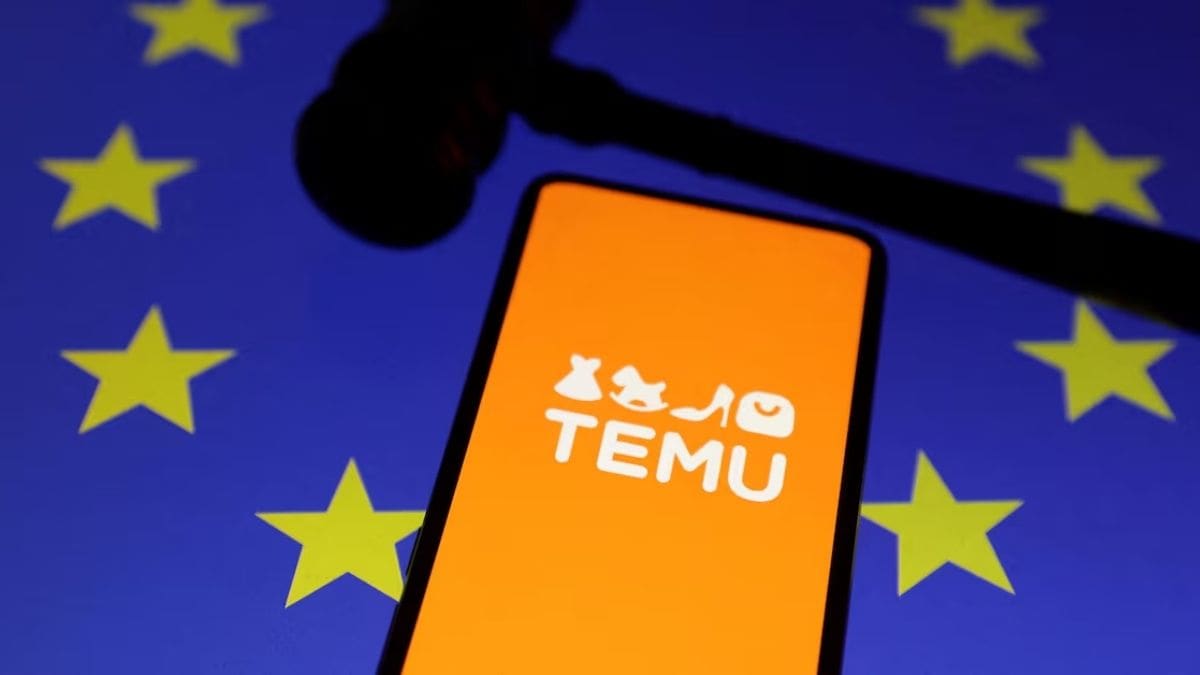
Temu was fined €200 million ($232 million) by European Union regulators for failing to take enough action to stop illegal products from being sold on its platform, reported Reuters. This marks one of the biggest enforcement actions yet under the bloc’s new digital rules.
The penalty came after a wide investigation by the European Commission under the Digital Services Act (DSA). The law requires large online companies to better control illegal and harmful content and products on their platforms.
EU officials said Temu failed to properly identify and reduce risks linked to illegal goods sold to consumers across Europe, reported Reuters. Regulators also accused the company of weak oversight of its recommendation systems and influencer-driven promotions, which they said could increase the visibility of dangerous or unlawful products.
The investigation began after complaints from the BEUC and 17 of its member consumer groups across Europe, as per Reuters report. Consumer advocates said that Temu allowed unsafe or illegal items to spread widely through the platform.
The European Commission said Temu did not “diligently identify, analyse, and assess the systemic risks of illegal products sold on its platform and the resulting harm to consumers in the European Union,” reported Reuters.
Regulators added that the company failed to properly study how its product recommendation systems and marketing partnerships with influencers may have encouraged the spread of illegal goods.
Why did EU fine Temu?
The case forms part of the European Union’s broader push to tighten control over major online platforms that operate inside the bloc. European officials believe very large digital marketplaces must take stronger responsibility for what users buy, watch and access online. The DSA became one of the EU’s strongest legal tools to force tech companies to remove illegal products, tackle harmful content and increase transparency.
Temu’s fine marks only the second major penalty issued under the law. In December 2025, the EU fined X €120 million for separate violations linked to online platform rules, reported Reuters.
EU tech chief Henna Virkkunen said the decision sends a clear signal to online marketplaces. “This is about risk management. It is very much a cornerstone of our DSA,” Virkkunen said. “With this decision we are sending a very strong message to Temu,” she added.
The Commission also said the investigation remains active. Regulators are still examining whether Temu’s platform design encourages addictive shopping behavior and whether illegal products continue to circulate widely on the site.
Officials are also reviewing concerns linked to data access for researchers and the transparency of Temu’s recommendation systems.
Under the DSA, companies can face penalties of up to 6% of their global annual turnover if they fail to comply with EU rules, reported Reuters.
Temu’s reply
Temu pushed back against the decision and said the fine does not reflect changes the company already made to improve safety and compliance. “Temu respects the objectives of the Digital Services Act and the need for clear, consistent rules across the digital economy. However, we disagree with the European Commission’s decision and consider the fine to be disproportionate,” the company said in a statement, as reported by Reuters.
Temu also said the ruling related to its first DSA assessment in 2024 and not to the platform’s current systems. “The decision relates to our first DSA assessment in 2024 and does not reflect the current state of our systems,” the company said.
Temu added that it cooperated with regulators during the investigation and strengthened its platform governance, risk assessment systems and user protections after concerns emerged.
The company also said it is reviewing legal options and plans to continue discussions with EU regulators.
The European Commission gave Temu until August 28 to submit a detailed action plan showing how it will comply with the Digital Services Act. Regulators will then assess the company’s response before deciding whether further action or penalties are necessary.
The case places more pressure on Chinese online retailers that expanded rapidly across Europe in recent years by offering low-cost products through aggressive advertising and recommendation algorithms.
Temu grew in Europe and the United States by selling heavily discounted goods directly to consumers through its app and website. The platform became especially popular among younger shoppers because of flash sales, influencer marketing campaigns and low pricing.
European regulators now face growing pressure from lawmakers and consumer groups to ensure online marketplaces follow the same safety and consumer protection standards as traditional retailers.