



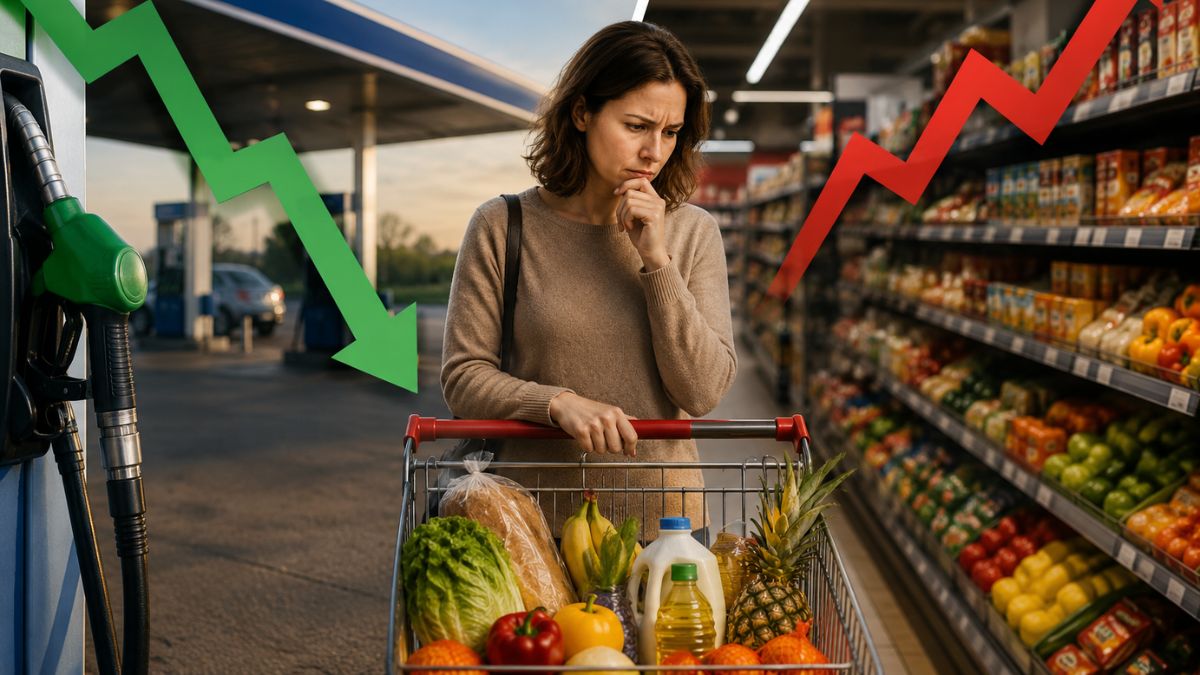
Americans who thought the worst of food inflation was over may have to brace for another difficult stretch at the supermarket. Grocery bills in the US are rising again, pushed by a mix of extreme weather, shrinking cattle supply, higher fuel costs, trade tariffs and growing global uncertainty linked to the Iran war. Economists now believe the pressure on household budgets could continue well into 2027.
The increase is coming at a sensitive moment for US families already struggling with high living costs. Though fuel prices tend to fluctuate, food inflation often lasts longer because crop decisions made months earlier determine future supply. That means consumers may continue feeling the squeeze even if inflation in other sectors cools down.
“It’s going to be a challenging year,” Ricky Volpe, an agribusiness professor at California Polytechnic State University who previously worked at the US Department of Agriculture’s Economic Research Service, told Bloomberg. “Food is going to become less affordable, and consumers should be prepared for it.”
Grocery inflation is accelerating again
According to the latest USDA food price outlook cited by Bloomberg, grocery prices are expected to rise 3.2% this year. However, Volpe believes the actual increase could be closer to 4% or 4.5%. In April alone, grocery prices saw their biggest jump in nearly four years. Multiple pressures are hitting the food system simultaneously, driving the latest surge. Farmers across the US have faced extreme weather conditions including heatwaves, hailstorms, drought and unexpected frosts. Bloomberg reported that the US recorded its warmest-ever start to the year, with temperatures running significantly above average through April. The warmer winter caused several crops to bloom too early, leaving them vulnerable when colder weather returned later in the season. That damaged production and reduced supply.
Beef and vegetables are becoming more expensive
Beef prices have climbed to record levels as the US cattle herd shrank to its smallest size in 75 years. Bloomberg reported that years of drought and rising production costs have forced many ranchers to reduce herd sizes, tightening supply and pushing prices higher. Vegetable prices are also under pressure. Tomato prices surged 33% in just two months after winter storms damaged crops in Florida during peak growing season. Imports from Mexico also declined after new duties were imposed on shipments. California, which produces a major share of America’s fruits, vegetables and nuts, is facing its own problems. Snowpack levels in the Sierra Nevada, an important water source for farms dropped far below normal this year, increasing concerns over irrigation shortages during the growing season.
Drought and El Nino are adding to concerns
Large parts of America’s agricultural belt are also struggling with drought. Bloomberg reported that nearly 70% of winter wheat production areas were facing drought conditions as of May, along with a quarter of corn-growing regions. Forecasters now expect an El Nino weather pattern to emerge by August. While El Nino can bring rain to parts of the US, it can also trigger droughts in other important global farming regions that produce crops such as rice, cocoa and coffee. That could eventually increase prices worldwide.
The Iran war is affecting fertiliser and transport costs
The Iran war has created another layer of pressure by disrupting fertiliser markets. Bloomberg reported that fertiliser prices in North America have already risen 20% since the conflict began. Higher fertiliser costs often translate into more expensive food because farmers either pay more to maintain yields or reduce fertilizer use and risk lower production. Higher fuel prices are also expected to affect food costs across the supply chain. Diesel powers tractors, harvesters and transport trucks, but petroleum products are used in packaging materials. Rising energy costs therefore eventually make their way onto grocery store shelves.
Families are changing how they shop
Many American households are already making adjustments. Bloomberg quoted James Giese, a 62-year-old resident of Madison, Wisconsin, saying he has started cutting back on prepared foods and meat because of rising prices. He is also trying to grow potatoes in his backyard to reduce expenses. “I’m very concerned,” Giese told Bloomberg. “I’m probably considered middle-income, but it’s starting to pinch.”
Retailers are also trying to respond carefully. Grocery chains are attempting to limit price increases to avoid losing customers already under financial pressure. Bloomberg reported that companies like Kroger are planning aggressive price-cutting strategies to compete with Walmart, which has focused heavily on affordability over the past year. Still, industry experts believe consumers are exhausted after years of elevated prices. “Lots of people, I think, still look at their pre-Covid grocery bill in 2019, early 2020 and say, ‘Wow, I’m paying significantly more,’” Andrew Harig of the Food Industry Association told Bloomberg. “And so they’re feeling that stretch.”