



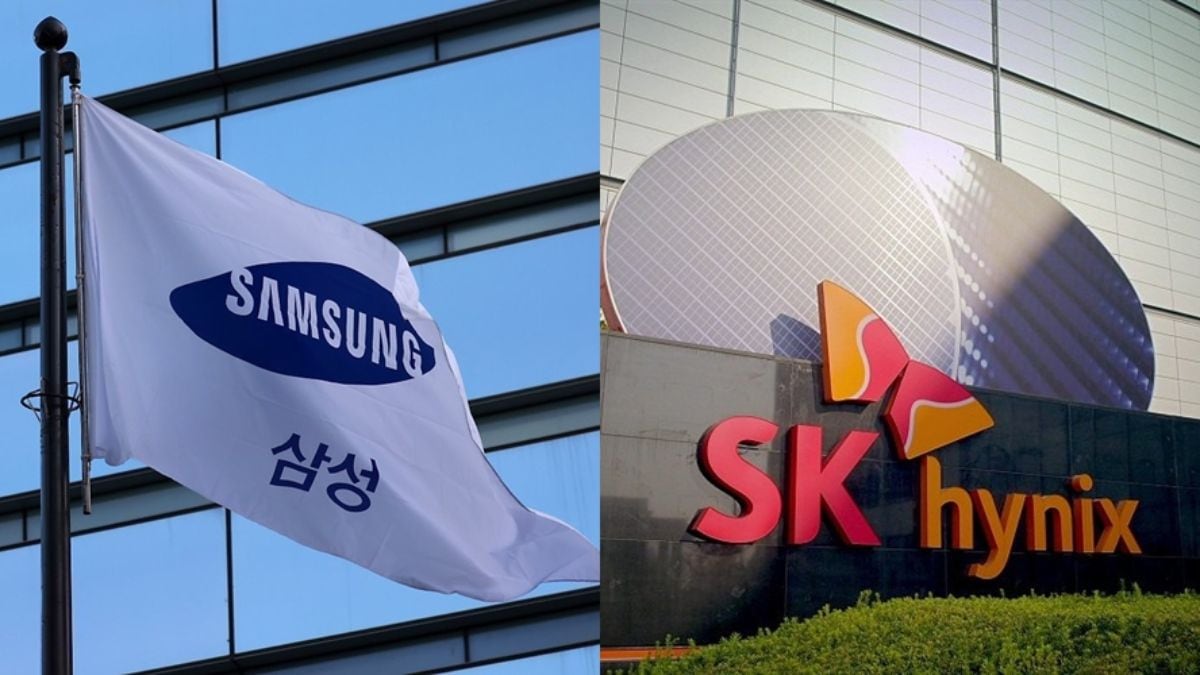
South Korea appears to be having a massive AI moment right now. Companies like Samsung Electronics and SK Hynix are making huge amounts of money because the world needs advanced AI chips to power tools like ChatGPT and other artificial intelligence systems, according to a Bloomberg report.
But now, a bigger question is being asked in the country is that if a few companies are becoming incredibly rich because of AI, should ordinary citizens also get a share of the benefits? That debate exploded this week after a senior adviser to President Lee Jae Myung suggested people should receive an “AI dividend” funded by taxes connected to the AI boom.
What is an ‘AI dividend’?
Think of it like this, if AI is helping companies earn record-breaking profits, some politicians believe part of that extra money should eventually flow back to the public. Kim Yong-beom, a top policy adviser, wrote on Facebook that AI wealth is becoming too concentrated among a small group of people and companies.
“Excess profits in the AI era are, by nature, concentrated,” Kim wrote on Facebook. “Memory companies, core engineers and asset holders in Seoul are highly likely to receive substantial benefits, while much of the middle class may experience only indirect effects.”
He meant that the biggest rewards from AI are mostly going to giant tech companies, top engineers and wealthy investors, while average people may not benefit much directly.
The moment Kim’s comments became public, investors got anxious. Many people thought the government was planning a new special tax on companies like Samsung and SK Hynix. That fear caused South Korea’s stock market, called the Kospi, to crash sharply for a while.
At one point, the market lost more than $300 billion in value in just a few hours. Later, Kim clarified that he was talking about using “excess tax revenue” from the AI boom, not creating a brand-new tax on company profits. The president’s office also said these were Kim’s personal views and not an official government plan.
After that clarification, markets calmed down a little. Still, the drama showed how sensitive investors have become after Korean stocks surged nearly 86% this year.
The reason this conversation is so important is because Samsung and SK Hynix are earning astonishing amounts of money from AI chips. Samsung alone is expected to make around 330 trillion won ($238–240 billion) in operating profit this year. That could make it the second most profitable company in the world after Nvidia.
SK Hynix is also expected to make enormous profits as demand for memory chips keeps growing. The two companies could end up paying more than 100 trillion won ($72–73 billion) in corporate taxes this year, an amount so huge that it may exceed the South Korean government’s estimate for the country’s total corporate tax collection in 2026. That’s why some policymakers believe the AI boom could help fund public benefits.
Franklin Templeton Institute strategist Christy Tan explained the idea simply on Bloomberg Television. “That concept is essentially redistributing the benefits of AI and advancements to citizens,” Tan said. In other words, if AI changes the economy and creates huge wealth, some leaders believe citizens should feel they “own” part of that success too.
Workers want a bigger share too
The pressure is not just coming from politicians. Workers inside Samsung are also demanding more money from the AI boom. Thousands of employees recently gathered outside Samsung’s main chip hub, asking for higher payouts. Samsung’s labor union wants workers in the chip division to receive 15% of the company’s operating profit.
The union has even threatened an 18-day strike starting May 21 if negotiations fail. Workers argue that if companies are earning historic profits from AI, employees helping build those chips deserve a bigger reward as well. Right now, South Korea has not announced any official AI dividend policy. But the intense reaction shows how powerful and emotional the AI economy has already become.