



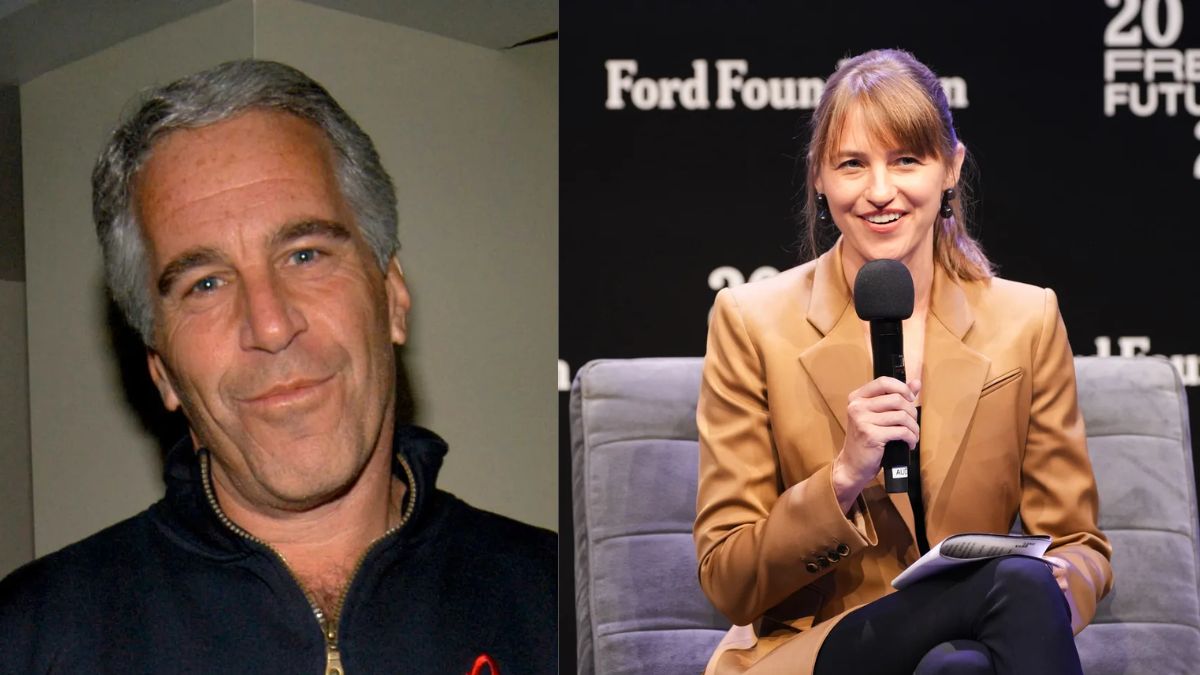
The modeling industry is facing renewed scrutiny as activists call for a federal investigation into its ties to the Jeffrey Epstein sex trafficking scandal. Sara Ziff, a former fashion model turned labor activist, is demanding that Washington lawmakers investigate the role modeling agencies played in the Jeffrey Epstein sex trafficking scandal.
Founder of a workers union group called the Model Alliance, Sara Ziffl is urging Washington lawmakers to haul agency leaders before an oversight committee to explain their role in facilitating abuse.
According to recent reports published by The Guardian, Ziff and over 40 Epstein survivors have signed a letter sent to New York Attorney General Letitia James and Congressmen Ro Khanna and Thomas Massie, demanding a formal inquiry into the “systemic” nature of these crimes.
A ‘pipeline’ for Predators
The letter describes a disturbing power structure where modeling agencies acted as a “pipeline through which vulnerable teenagers were regularly delivered to powerful predators.”
Ziff told The Guardian that Epstein was not a ” rogue outlier” but a participant in a business model that normalized criminal behavior. The survivors’ group cited public records and the US Department of Justice’s Epstein files, suggesting that industry executives introduced Epstein to young girls and facilitated his access to victims.
In their letter, the survivors have further demanded a probe into several key figures in the fashion Industry. Some of the larger figures that have been name dropped by the survivors in their letter to New York Attorney General include Faith Kates of Next Management, the late Jean-Luc Brunel, and Gérald Marie, the former head of Elite Model Management’s European division.
Marie has previously been accused of rape by more than 16 former models. Congressman Ro Khanna has pledged to take this information to the oversight committee, stating he will urge them to “subpoena individuals from the modeling industry who were involved in Epstein’s abuse.”
The Shadow of the Epstein Files
The demand for a probe comes as the fashion world grapples with a legacy of exploitation hidden behind high-fashion glamour. Ziff, a former model herself, noted that “what looks like glamour on the outside was… a system that routinely put teenagers into dangerous and exploitative situations.”
The exploitation often extended to financial control, where models were held in debt to their agencies, sometimes leaving them in the position of being sent exploitative places just to stay financially afloat.
Reclaiming power through the Fashion Workers Act
In an effort to dismantle this culture, the Model Alliance had just last year pushed through the New York Fashion Workers Act (FWA). Under this law, models can finally reclaim the power of attorney often surrendered to agents and gain protections against harassment and retaliation.
Ziff told The Guardian that while the law is a significant step toward prevention, it is not a “silver bullet.” Agencies are now held liable for sending models to known abusers, a critical provision given the “alarming pattern” of misconduct recently brought to light.
Personal sacrifice
Ziff’s transition from a top-earning model to a documentarian and activist has come at a high personal cost. When asked by The Guardian reporters about how her stand has affected her daily life, Ziff said that her position against the fashion industry had forced her to face significant financial hardship.
“It certainly didn’t help my modeling career, let’s put it that way. I went from earning good money and putting myself through school to going into debt and having to sell my home,” Ziff said.
“But this work has been far more meaningful. So I certainly don’t regret it. It’s not really done to speak out about abuse but I wouldn’t say that’s unique to the modeling industry,” she concluded, talking about the meaningfulness of her day-to-day activism work.