



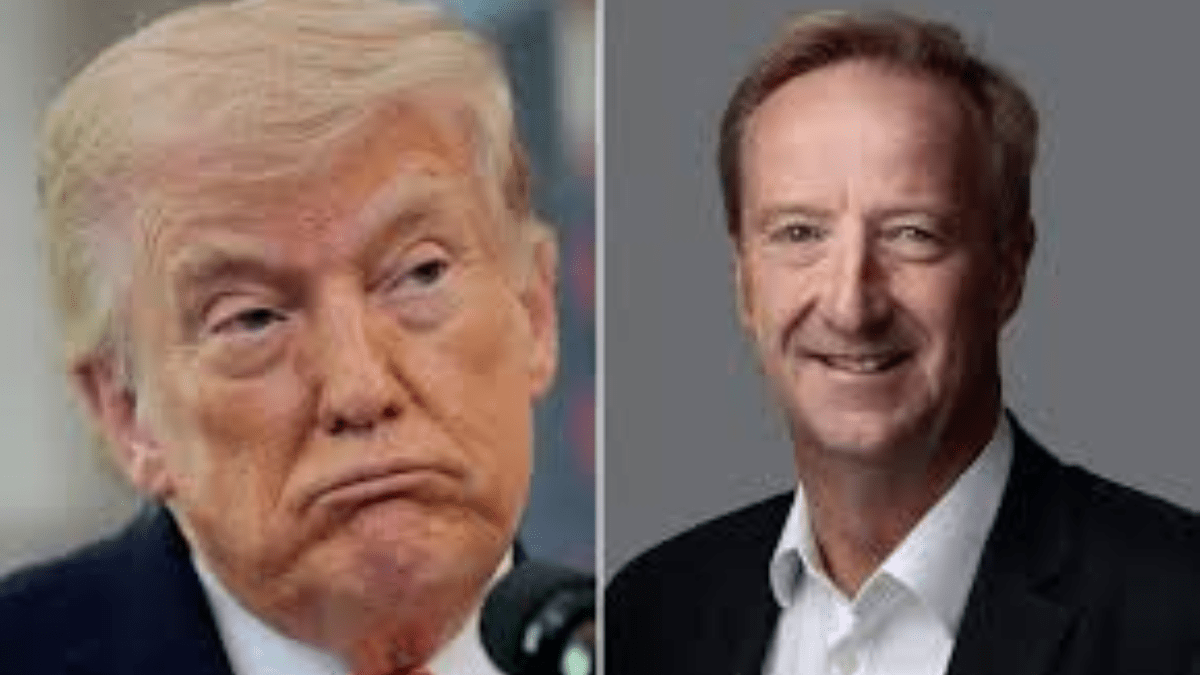
A former British intelligence chief has suggested that Iran currently holds a strategic advantage in its ongoing conflict involving the United States and Israel, even as hostilities continue to escalate across the region.
The assessment comes at a time when US President Donald Trump has maintained that Tehran is eager to strike a deal to end the conflict, following his announcement of a temporary ceasefire. However, Iran has pushed back against such claims, accusing Washington of acting unilaterally in its messaging.
Iran’s Resilience and Strategic Moves
Nearly a month after the US launched military action against Iran without prior consultation with allies, former MI6 chief Alex Younger said Tehran has demonstrated unexpected resilience on the battlefield.
Speaking to The Economist, Younger said, “I regret having come to this conclusion because like many MI6 officers of my generation, we faced the violence and brutality of the IRGC [Islamic Revolutionary Guard Corps] for most of our careers.
“There is no love lost between us and I shed no tears for [Iranian supreme leader] Ali Khamenei, who was killed at the beginning of this war.
“But the reality is the US underestimated the task and I think as of about two weeks ago, lost the initiative to Iran.
“In practice, the Iranian regime has been more resilient than I think anyone would have expected.
“They took some good decisions as early as last June about dispersing their military capability and delegating authority for the use of those weapons, which has given them significant extra resilience against this incredibly powerful air campaign.”
Escalation Expands Conflict Impact
Younger further explained that Iran has adopted a broader escalation strategy, targeting multiple fronts to increase pressure on its adversaries.
He said Tehran has embarked on “horizontal escalation”, meaning they’ve been firing rockets at anyone in range.
“At the time I thought it was nuts but in fact it has been a very good way of putting a direct price on the US – it sort of worked,” Younger said.
“And then they sort of understood the significance of the energy war and held the Straits at threat, and globalised ’[the conflict].”
Tensions have also intensified around the Strait of Hormuz, a critical global oil route, where disruptions have led to rising energy prices and concerns about economic fallout worldwide.
Younger claimed the regime has “played a weak hand pretty well”.
He also said Trump’s own remarks about “regime change” will confirm to Iran that they’re in a “civilisational war”, a “war of existence”.
“Whereas America has embarked on a war of choice,” Younger claimed. “In those terms I think that’s imbued them with more staying power than the US and certainly US counterparts.
“They know that now, and that really is giving them the whip-hand.”
Despite ongoing military exchanges between Israel and Iran, the situation remains fluid, with no clear resolution in sight and both sides continuing to signal strength amid rising global concern.