



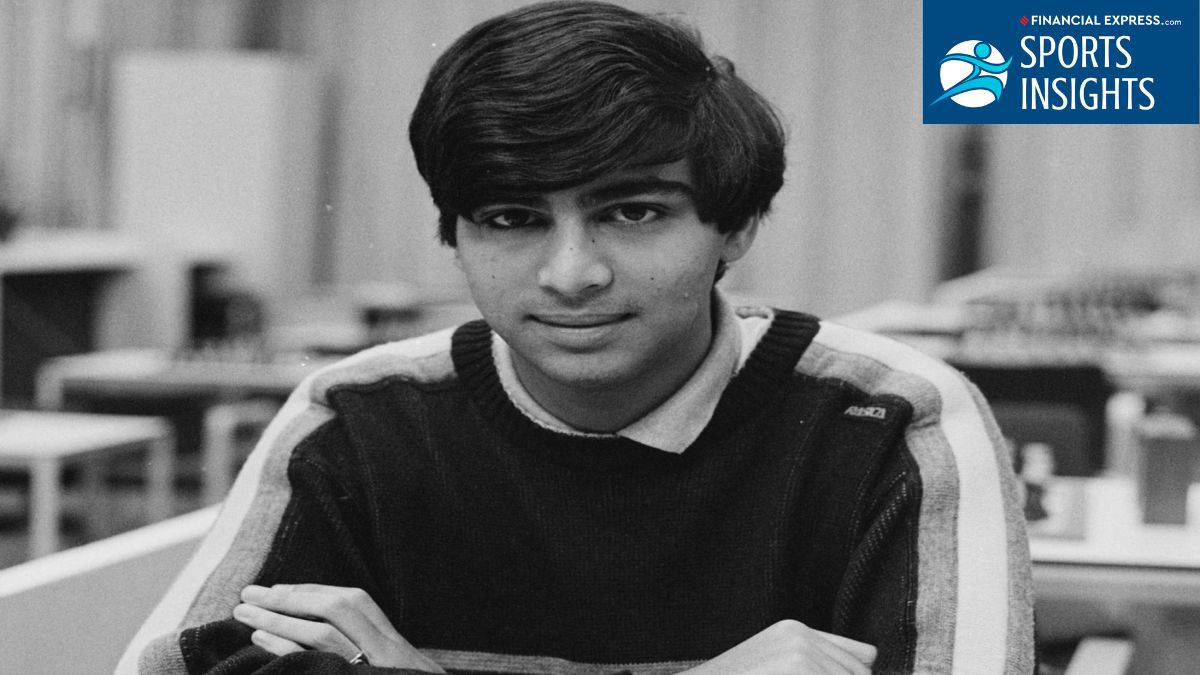
Calling Viswanathan Anand a five-time world champion feels incomplete. Those titles matter, of course. But his real work happened in living rooms, school halls, and small clubs where chess was once just a hobby. Anand did not only win games. He taught India how to believe that thinking deeply could also be a sport.
The lightning kid
Anand grew up in a time when Indian chess had no real system. No army of coaches. No data labs. No state support. What he had was a board, a curious mind, and a mother who enjoyed the game. Later, life took him to Manila, where he played whoever was willing, often older, often stronger.
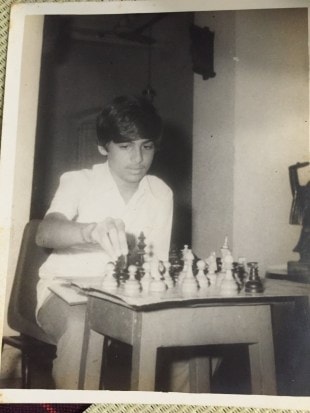
Manila gave him something India could not. Competition. Real competition. Not the kind you find in your uncle’s living room. While other kids played basketball in the streets, Anand played chess in hot, crowded halls. He studied old games. He won prizes. He built speed.
He learned to move fast. Very fast. The sort of fast that would later make grown men sweat. He returned to Chennai with a weapon no one understood yet. That is where the nickname came from. The Lightning Kid. But speed was only the surface. Under it was clarity.
Walking into a Soviet world, alone
In the 1980s, top-level chess belonged to one place. The Soviet Union.
Their players were trained like engineers. Their games were slow, heavy, and deeply planned. They had the coaches. They had the schools. They had the system. Anand did not fit that mould. He had nothing but his brain and fast hands.
He flew to the World Junior Championship. He won it. First Asian ever to do so. The previous winners read like a hall of fame: Spassky, Karpov, Kasparov
When he became world junior champion, and soon after India’s first grandmaster, it felt strange to the chess world. Where did this boy come from. Who trained him. The answer made people uncomfortable. He mostly trained himself.
He played faster. He saw tactics quicker. He did not wait for positions to mature. He asked questions early. Many opponents were not ready for that.
Losses that taught him how to last
Anand reached the top quickly. Staying there was harder.
He lost a world title match to Garry Kasparov. He came close again and fell short against Anatoly Karpov. These were not gentle defeats. They stayed with him.
In 1998, he faced Karpov. Format was cruel. Karpov sat rested and was seeded directly into the final. Anand fought through a knockout tournament first. He arrived exhausted. He described himself as being brought in a coffin. He tied the classical match 3-3 but lost in rapid tiebreakers.
These defeats could have broken him. Instead, they taught him. He learned that talent wins games but psychology wins championships. He learned that stamina matters. He learned that preparation without backbone is just homework.
Instead of fighting the past, Anand changed himself. Around this time, computers entered chess. Many senior players resisted them. Anand leaned in.
He learned engines the way he once learned books. Slowly. Honestly. Without fear. He stopped being only instinctive. He became complete.
Winning in every kind of chaos
When the world chess title split into formats and factions, Anand survived all of it. Knockout events. Long matches. Round-robin tournaments. Different cities. Different rules. Different pressure.
He won the world title in Tehran. He defended it against Vladimir Kramnik with deep opening ideas. He travelled across Europe by road during a volcano shutdown and still beat Veselin Topalov. Later, he outlasted Boris Gelfand by staying calmer when the clock ran faster.
What stands out is not the scorelines. It is the adaptability. Anand kept adjusting while others defended their comfort zones.
Body behind the brain
One quiet decision extended Anand’s career. He started running.
Chess looks still, but it drains you. Hours of calculation. Small mistakes that cost months of work. Anand understood that mental collapse often begins in the body. He trained. Not to look fit. To stay sharp.
That discipline allowed him to compete into his fifties, long after many rivals faded away.
When winning stopped being the point
Eventually, Anand lost the crown to Magnus Carlsen. It felt natural. Time moves on.
What Anand did next mattered more. He did not disappear. He stayed present. He became a guide.
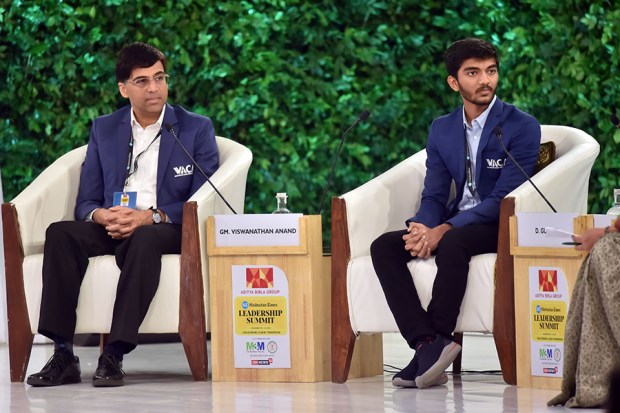
Through the WestBridge Anand Chess Academy, he sat with teenagers who reminded him of himself. Curious. Fast. Unsure. He spoke less about moves and more about thinking. About patience. About handling loss without drama.
Names like Gukesh Dommaraju and R Praggnanandhaa grew under that quiet influence. They did not just copy his style. They absorbed his calm.
A legacy built without noise
Today, Anand works within FIDE, helping shape the game’s future. He supports causes quietly. He speaks gently. He listens more than he talks.
That might be the most Anand thing of all.
Indian chess did not explode because of one miracle year. It grew because one man showed that excellence could be humble, curious and steady. He never demanded attention. He earned trust.
Most champions win titles. Few build nations. Anand built an entire chess culture from nothing. He did it with speed, humility and a brain that never stopped learning. The Lightning Kid grew up. He became the thunder that still echoes in every chess hall in India.