



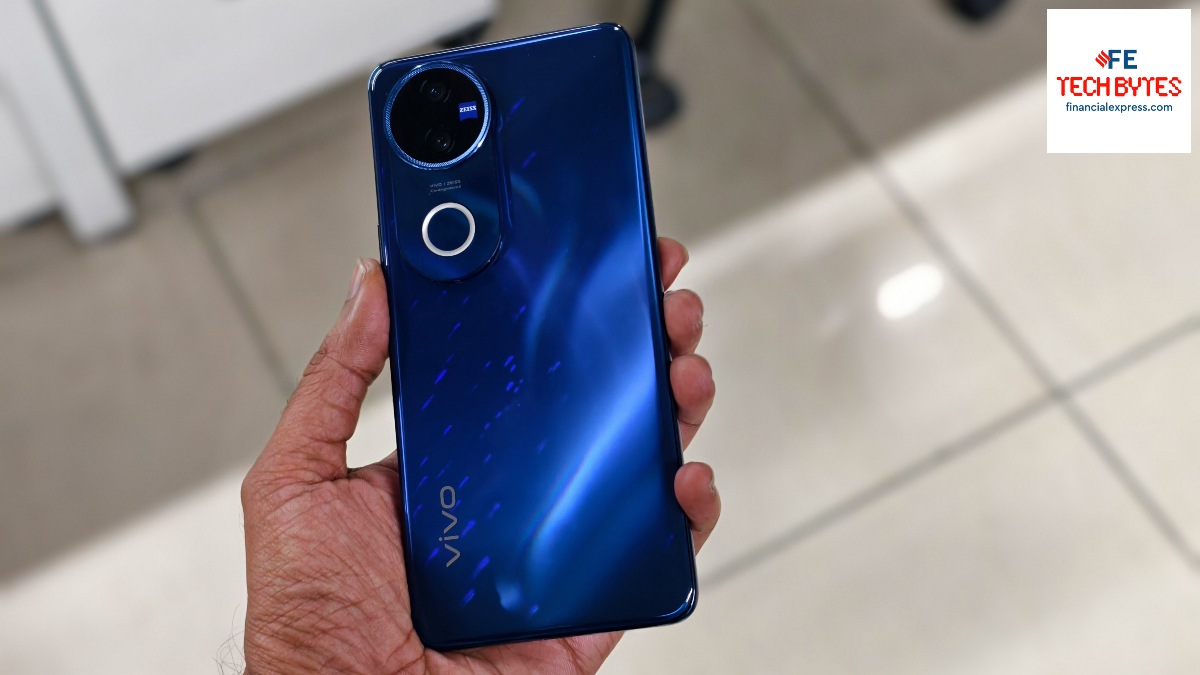
The V50, for the most part, is a repurposed V40. Vivo took the adage, “if it isn’t broke…” a little too seriously. But that is okay. Before I deep dive into making a case for this new V-series smartphone, launching today in India, let me give you my two cents on why the V50 matters. There are two reasons: (1) price and (2) ZEISS. When I say this, I am obviously presuming that Vivo will discontinue the V40 now. Otherwise, all this is moot.
I have spent years covering Vivo phones. In the pre-X-series era, the V-series was the de facto “premium” Vivo banking on striking design and powerful cameras to make a selling. Their aggressive pricing made Vivo a household name long before Xiaomi entered the scene and changed the market.
The arrival of the X-series and Vivo’s decision to start making “pro” V-series phones (possibly to cater to user demand), was diluting the vanilla phones—the OG V-series phones—because that is how the human mind works. I am sure Vivo sold many V40 phones, but the V40 Pro was always going to be the showstopper, one that got more attention in the news and outside of it, leaving some V40 buyers—at the very least—with the fear of missing out just because they couldn’t stretch their budget.
Things are much simpler for the V50 buyer. There will be no V50 Pro this year, Vivo has confirmed to financialexpress.com. The company did not explain why when inquired, but my best guess is, it’s to make some room for the upcoming X200 Pro Mini which is pegged to launch sometime in April. In the meanwhile, those seeking pro features can look at the V40 Pro.
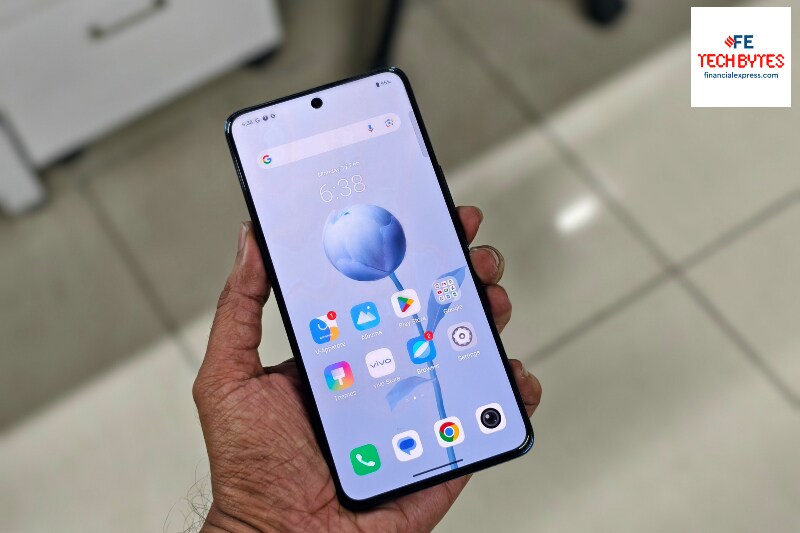
The V50 is priced the same as the V40. The entry-level 8GB/128GB variant costs Rs 34,999, the 8GB/256GB Rs 36,999, while the top-of-the-line 12GB/512GB model will set you back by Rs 40,999. For the same price, Vivo is giving a more durable design (IP68/69) and bigger battery (6000mAh) with faster charging (90W). The display is getting a resolution downgrade (FHD+) even if Vivo has opted for a more “modern” quad-curved aesthetic which bends glass on all four sides just enough to make it look pleasing without compromising on functionality. The cameras—even though they seem unchanged on paper—have some new tricks to complete the package.
The V50 is powered by the Qualcomm Snapdragon 7 Gen 3 processor, same as the V40. The RAM and storage, too, are—still LPDDR4X and UFS2.2 type. Raw performance was never a key USP of these phones. Those phones are built differently and there are quite a few options if that’s what you want. The V50 prioritises “reliable” day-to-day performance and so, while you may not be able to play demanding games like Genshin Impact and BGMI at their highest graphical settings, know that these games will play just as fine at lower settings. But do I wish Vivo had gone for faster storage? Yes.
The new phone runs new software—Android 15—and is in line for three years of major OS and four years of security updates so, UFS3.1 would be nice from a future-proofing perspective. Vivo is compensating with the promise of longer battery life and the V50 delivers with flying colours.
Vivo V50
Pros
- Slim, light design
- Good display
- Reliable performance
- Great battery life
- Cut out for portraits
Cons
- UFS2.2 storage
- Not much of an upgrade over V40
Which is an excellent segue into the cameras. The lack of a dedicated telephoto means the V50 still must rely on close crops from the main 50-megapixel sensor, but this is where Vivo’s years of experience comes into play. To say that the V50 takes “breathtaking” portraits will be an understatement. ZEISS lens simulations are available for those who fancy the “finer” things in life. A new Wedding Studio mode, made exclusively for India, adds a bit more panache and flavour over what is already a, compelling photography device at its price.
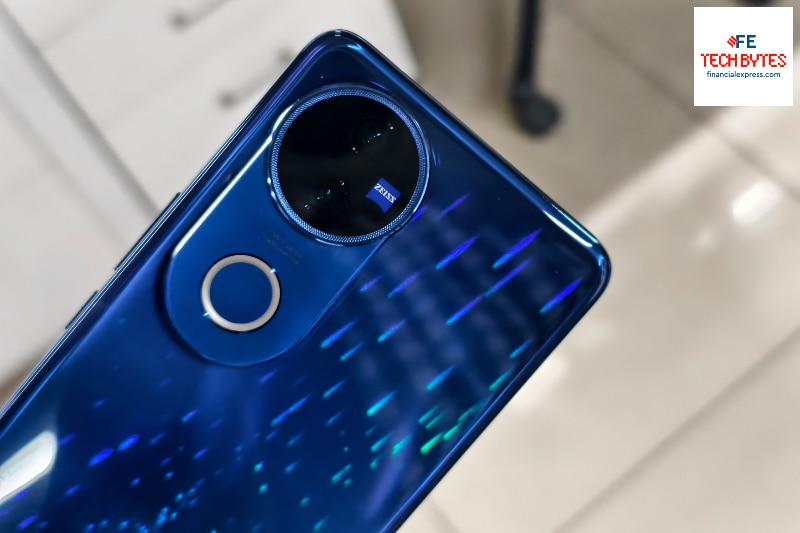
Joining it is another 50-megapixel ultrawide which also has autofocus so it can double as a macro. Wide-angle shots are good, not great, but dynamic range is mostly wide and colours popping. The front camera has another 50-megapixel sensor. It too has autofocus on the lens. Selfies, rather portraits from the front camera, are detailed with good saturation and spot-on subject isolation. You can record 4K@30fps videos from both ends, and they come out well with decent stabilisation.
Who should buy the Vivo V50?
Ultimately, the V50 presents a strong value proposition, especially if the V40 is indeed discontinued. While it’s essentially a souped-up—and polished—V40, the V50 offers some big improvements like a more durable design, a larger battery with faster charging, and updated software with longer support.
The camera system, though similar on paper, benefits from Vivo’s expertise and the inclusion of ZEISS lens simulations, making it a strong contender for portrait photography in its segment. If these features, along with the competitive price, strike a chord, the V50 is a package worth buying. However, if top-tier performance and faster storage are crucial, you might want to explore other options.
Follow FE Tech Bytes on Twitter, Instagram, LinkedIn, Facebook