



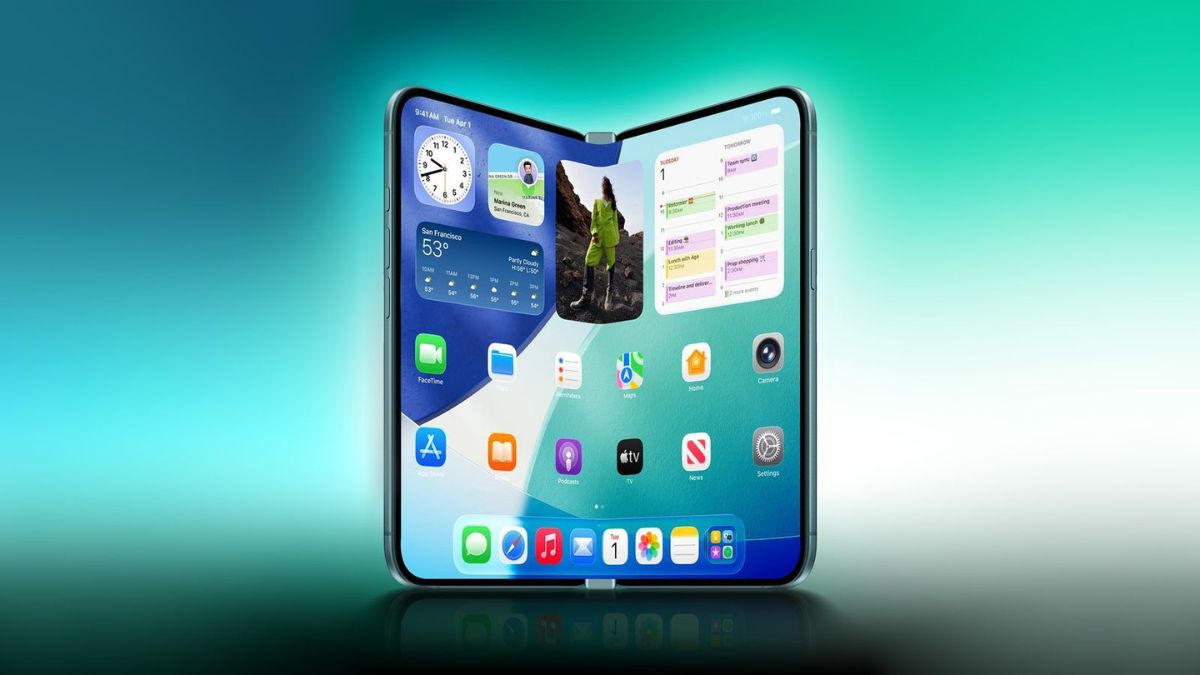
Apple’s long-rumoured foldable iPhone could finally address one of the biggest issues with foldable phones which is the visible screen crease. According to a post shared by tipster Fixed Focus Digital on Weibo, Apple may use 3D printing technology to build the hinge mechanism of its foldable iPhone.
The Cupertino based tech giant is working on an advanced hinge design that may improve durability and reduce the crease, potentially setting a new benchmark in the segment.
Apple’s focus on the hinge problem
Foldable smartphones have improved over the years, but the crease formed where the screen bends remains a common issue. Apple appears to be focusing heavily on this limitation. Reports suggest the company is developing a new hinge system, as the hinge plays a key role in how the display folds and how visible the crease becomes over time.
Use of advanced manufacturing techniques
Apple is reportedly planning to use 3D printing technology to build the hinge mechanism. This method could allow greater precision in shaping the hinge components, helping control how the display bends. The goal is to reduce stress on the screen and make the crease less noticeable during regular use.
Possible improvements in durability
Apart from reducing the crease, the new hinge design could also improve the durability of the device. Earlier reports have indicated that Apple may experiment with materials like liquid metal or advanced alloys to strengthen the hinge structure. This could help the foldable iPhone last longer and handle repeated folding more effectively.
Long-term development strategy
Apple has reportedly been working on foldable technology for several years and is taking a cautious approach before entering the market. The company is expected to refine both the hinge and display structure, possibly combining new materials and design methods to minimise wear and tear over time.
What is the launch timeline and expectations?
While Apple has not officially confirmed the device, reports suggest that the foldable iPhone could arrive around 2026, possibly alongside future flagship models. If the company manages to reduce or eliminate the crease effectively, it could stand out in a market where competitors are still refining the technology. The device could start at around $2,000, which roughly translates to Rs. 2 lakh in India, making it one of the most expensive iPhones ever.
What does this mean for foldable phones?
If Apple succeeds in improving hinge design and reducing the crease, it could influence the broader foldable smartphone market.
Manufacturers like Samsung and Pixel may be pushed to adopt similar technologies, leading to better durability and improved display quality across devices.