



Kotak Life Insurance is targeting premium growth ahead of the life insurance industry’s expected 13-15% CAGR, banking on a balanced distribution strategy, continued expansion of its agency and bancassurance channels.
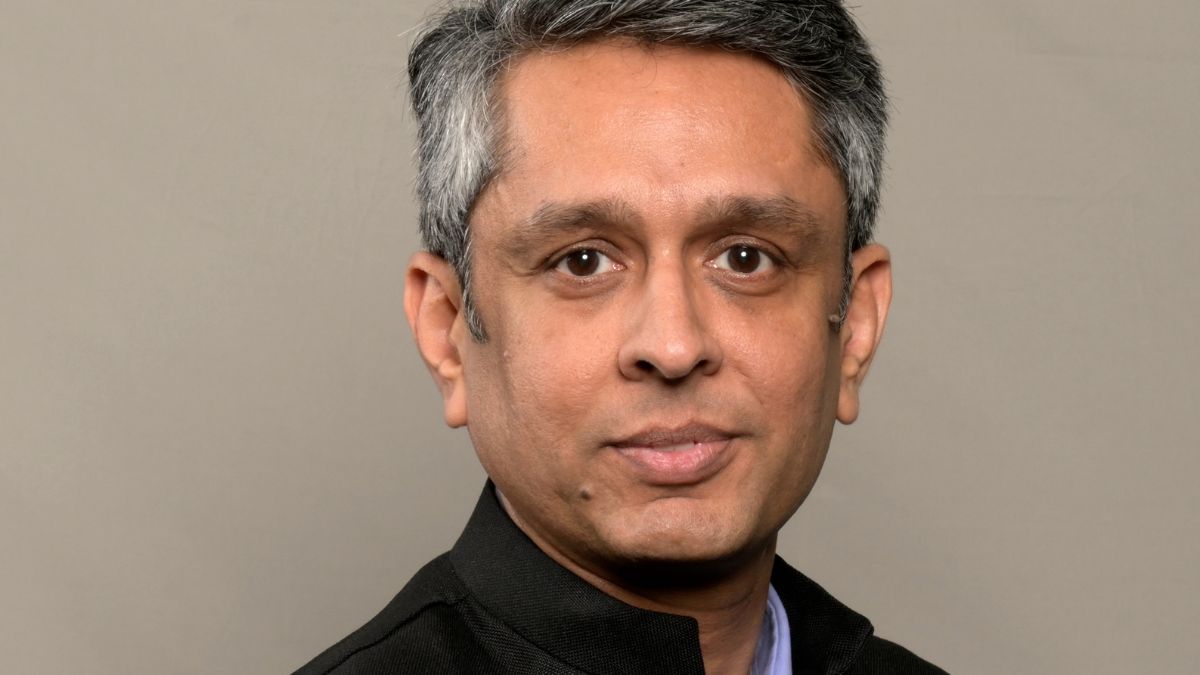
“The life insurance industry is expected to grow at a CAGR of about 13–15% and our strategic priority is to stay ahead of this benchmark to strengthen our market share,” said Piyush Trivedi, Chief Distribution Officer, Kotak Life Insurance. The private life insurer reported total premium income of ₹21,441 crore in FY26, including new business and renewal premiums.
After a strong FY26, the new business premium growth of the industry moderated to 5% in May and 13% in June. Trivedi attributed the moderation to the seasonal slowdown in the first quarter.
“Historically, Q1 has been a slow quarter. There might also be some impact from the overall slowdown we are seeing in the stock market,” Trivedi said, adding that market-linked insurance products had witnessed some moderation following the correction in equity markets since February. “Business will start picking up at a faster pace in the coming quarters,” he said.
Kotak Life is also focussing on maintaining a diversified distribution mix. While bancassurance contributes about 49% of business, the remaining 51% comes from agency and other channels, including broking and digital platforms.
“We constantly work towards maintaining a balanced distribution mix,” Trivedi said. Besides Kotak Mahindra Bank, the insurer has partnerships with South Indian Bank, ESAF Small Finance Bank, Jana Small Finance Bank, AU Small Finance Bank, Bandhan Bank, and recently signed up with Utkarsh Small Finance Bank. The company also has around 372 branches across 163 locations and an agency force of nearly 1.5 lakh.
On the Insurance Regulatory and Development Authority of India’s proposed overhaul of distribution commissions, Trivedi said any framework should ensure that compensation remains aligned with the effort required to distribute insurance products while encouraging greater efficiency.
“We have to ensure that the reward is adequate for the effort which has been put by the distribution,” Trivedi said. He added that as product penetration improves, coverage expands and more people start owning life insurance, costs will come down.