



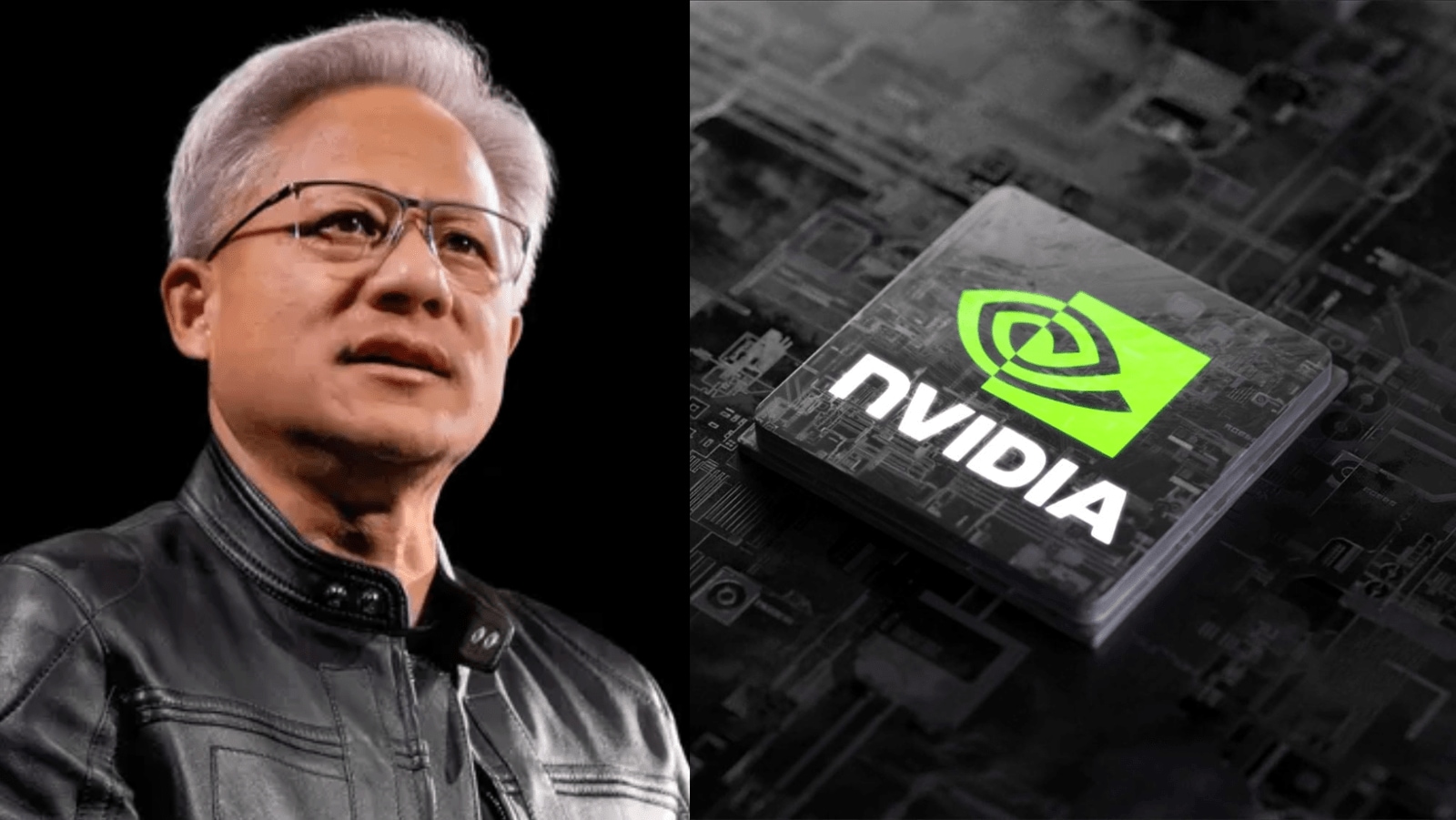
Nvidia CEO Jensen Huang has a message for people stressed about AI wiping out white-collar jobs. He is urging people and experts to instead shift their attention towards the significant economic avenues opening due to advancements in AI. In a blog post, Jensen Huang mentioned that the current $700 billion wave of AI data centre investments is just the tip of the iceberg. He wrote, “ We have only just begun this buildout,” he wrote. “Trillions of dollars of infrastructure still need to be built.”
The potential of more investments being done in data centers has also been reported by The Fortune. It was also reported that the figure of 700 billion dollars is more than the GDPs of Argentina, Israel, and Sweden, and it even exceeds the combined value of Disney, Nike and Target.
Massive AI investment underway
Additionally, according to estimates from analysts at McKinsey, global data centre investment could reach $6.7 trillion by 2030. Jensen Huang also explained that the current spending is only the beginning. In the future, trillions of dollars may be invested to build the full infrastructure required for AI technologies.
He compared AI to past technological revolutions such as electricity and the internet. Just like those technologies needed years of investment and development, artificial intelligence will also require large-scale infrastructure to grow.
He also explained that the AI ecosystem depends on several things working together. These include energy supply, semiconductor chips, computing infrastructure, AI models, and the applications that businesses and consumers use.
AI boom could create many new jobs
While AI tools are becoming more advanced, Jensen Huang said the technology boom will also create many jobs. Interestingly, many of these jobs may not be in traditional software or white collar roles that we know off today.
For example, building AI data centres requires a large workforce. Industries will need skilled workers to build and maintain the infrastructure that supports AI systems.
As countries compete to develop AI capabilities, demand for such workers could increase significantly.
AI will change work, not remove it
Jensen Huang also pointed out that AI is meant to support human workers rather than completely replace them. In many industries, the technology can help automate repetitive tasks so that professionals can focus on more important work.
For example, in healthcare, AI can help analyse data or assist with routine tasks, allowing doctors and medical staff to spend more time on patient care.
According to Jensen Huang, the AI revolution is still at an early stage. As investment continues and infrastructure expands, artificial intelligence is expected to reshape industries and create new opportunities rather than simply eliminating jobs.