



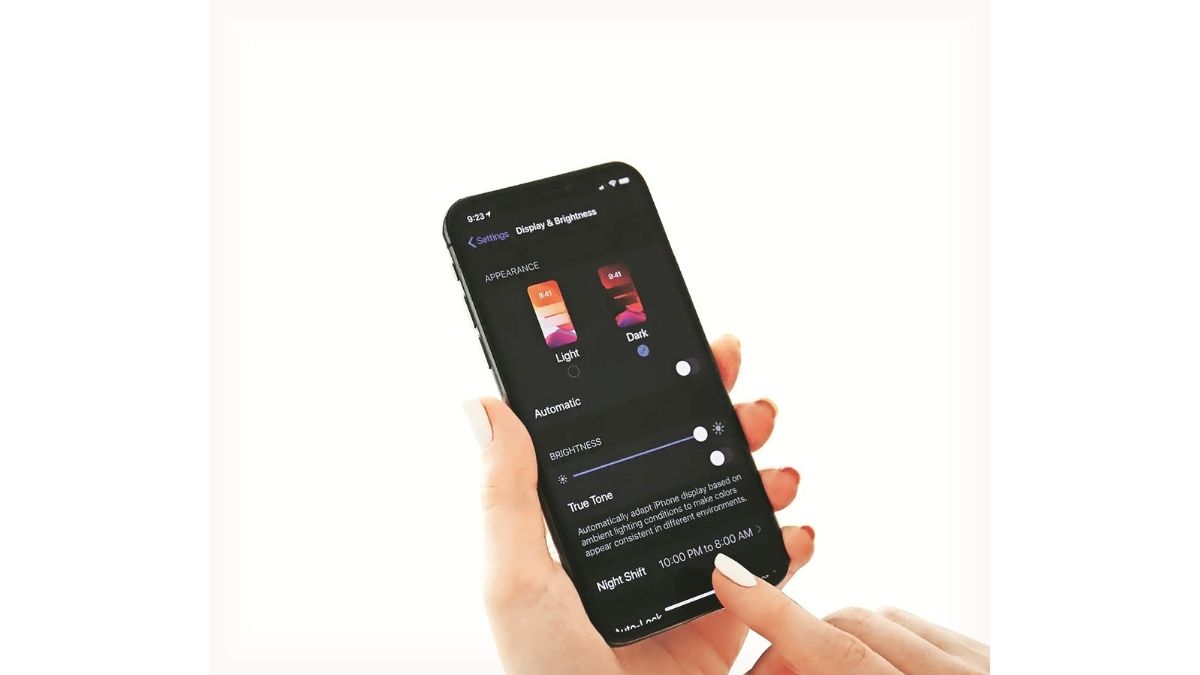
For Gen Z, dark mode is not just a display setting — for many it has become the default way to experience the digital world. Whether scrolling through Instagram late at night, messaging friends, or attending online classes, young users instinctively switch their smartphones and apps to dark backgrounds with lighter text. While older generations may see it as a cosmetic preference, Gen Z views dark mode as a combination of comfort, style, and personalisation.
One of the biggest reasons for dark mode’s popularity is visual comfort. Gen Z spends more time on screens than any previous generation, moving seamlessly between social media, streaming platforms, messaging apps, and productivity tools throughout the day. Dark mode reduces the perceived glare from displays, making long use feel more comfortable for many users.
However, researchers caution that while people often report less discomfort, evidence that dark mode universally reduces eye strain is still mixed and depends on factors such as ambient lighting, brightness settings, and individual vision.
What Science Says
Recent research suggests that user preference for dark mode extends beyond aesthetics. A 2025 eye-tracking study, titled The Role of Color in User Experience: A Systematic Literature Study of User Preferences for Dark and Light Mode, found that participants performing medium-complexity dashboard tasks demonstrated higher accuracy and confidence while using dark themes, although benefits varied with task complexity and could not be generalised to every interface.
Similarly, another 2025 systematic review concluded that user preferences for dark and light modes are influenced by cognitive, emotional, and contextual factors rather than by a single universal advantage. Notably, it should not be assumed that dark mode is objectively better for everyone. Reading long passages of text in bright environments can sometimes be easier with dark text on a light background. Individuals with astigmatism or certain visual impairments may even find light mode more legible.
Another significant factor is lifestyle. For Gen Z, night-time scrolling, gaming, and content creation are common habits. In these situations, dark mode creates a less intrusive viewing experience, allowing users to check notifications or browse content without flooding a dark room with bright light. Although dark mode itself is not a cure for sleep disruption, lowering screen brightness and reducing light exposure before bedtime may contribute to a more comfortable viewing experience.
Sleek Aesthetics
However, Gen Z is also a generation that does hold aesthetics in very high regard nonetheless, sometimes even over functionality. They prefer personalisation — from customised phone wallpapers to themed app icons and widgets.
Dark mode has a minimalist, sleek, and premium visual appeal and aligns with contemporary app design. Popular platforms such as YouTube, Discord, Spotify, Reddit, and X have embraced dark interfaces.
There is also a tech aspect to this trend. Smartphones with OLED and AMOLED displays, which are common in premium Android devices and iPhones, can consume less power when displaying darker pixels because black pixels are effectively turned off. As a result, using dark mode may extend battery life on these screens, especially when apps display predominantly black backgrounds.
Dark mode has become part of Gen Z’s digital culture largely because it feels comfortable during long hours of smartphone use, complements modern design trends, can improve battery efficiency on certain displays, and allows users to tailor technology to their own preferences. As app developers increasingly recognise that user experience is not one-size-fits-all, offering seamless switching between light and dark themes has become less of a feature and more of an expectation. It is clear that for Gen Z, dark mode is more than a colour scheme, and more of an informed choice.