



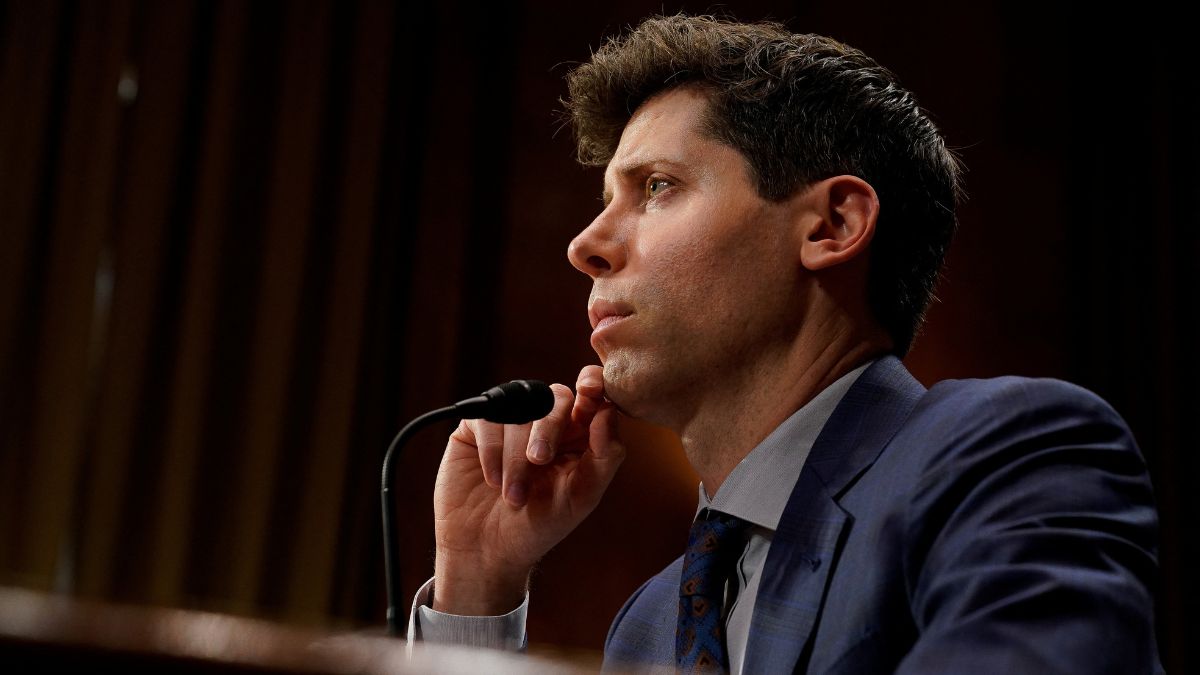
Sam Altman is one of the most scrutinised executives in the world. As CEO of OpenAI – the company behind ChatGPT – he is under constant pressure to perform at an extraordinarily high level.
What is less widely discussed is the deliberate, research-informed physical regimen he has built around his work life – one rooted not in vanity or trend-chasing, but in optimising what he calls his “physical factors” for peak cognitive output.
Much of what is known about Altman’s routine comes directly from a post he published on his personal blog, titled Productivity. He wrote candidly that it probably took a little bit of his time every week for a few years to arrive at what works best for him, but his sense is that if he does a good job with his daily habits, he is at least 1.5x more productive than if he doesn’t.
Heavy weights and HIIT
The centrepiece of Altman’s exercise programme is weight training. He favours lifting heavy weights three times a week for an hour, and high-intensity interval training occasionally, having tried a variety of options. His own evaluation of this combination is telling: in addition to productivity gains, this is the exercise programme that makes him feel the best overall.
The choice to anchor his routine in resistance training rather than long-distance cardio or daily running shows a change in lifestyle trends among the elite. Research consistently links heavy compound lifting to improvements in testosterone, insulin sensitivity, and cognitive function – all variables that matter for a CEO managing billions of dollars in AI infrastructure and thousands of employees.
He embraces occasional HIIT sessions, attributing this mix to feeling “the best overall,” as he shared on his blog. HIIT, used sparingly rather than daily, allows Altman to get cardiovascular benefit without the recovery cost of longer aerobic sessions.
Intermittent fasting as a physical complement
Altman’s approach to nutrition is tightly woven into his physical routine, and arguably amplifies the effects of his training. He rarely eats breakfast, getting about 15 hours of fasting most days, except for an espresso when he wakes up, as he wrote on his blog.
This extended fasting window aligns with emerging science on autophagy – the cellular clean-up process that fasting is believed to stimulate – and is a deliberate choice rather than a by-product of a busy schedule.
He has been a vegetarian since childhood and drinks protein shakes frequently to supplement his diet, though he has admitted he hates them. “I also go out of my way to drink a lot of protein shakes, which I hate and wouldn’t do if I weren’t vegetarian,” he wrote.
He also tries to avoid highly spicy foods as they “spike up inflammation” and minimises sugar intake. “Eating lots of sugar is the thing that makes me feel the worst,” he stated on his blog
A routine focused on human longevity
What distinguishes Altman’s approach from a conventional gym-and-diet plan is the longevity architecture around it. Sleep, he has written on his blog, is the most important physical factor in his productivity, and he uses a sleep tracker to optimise it.
He also uses a full-spectrum LED light most mornings for about 10 to 15 minutes while catching up on email, which he calls a “ridiculous gain” – a practice he documented on his blog. This habit – using bright morning light to anchor the circadian rhythm – has become more mainstream since it was popularised by neuroscientists, but Altman was an early, self-documented adopter.
Apart from exercise and sleep, Altman has also disclosed a pharmaceutical dimension to his health routine. Taking Metformin is part of his anti-aging regimen, according to MIT Technology Review.
Metformin, a diabetes drug with a growing body of evidence suggesting it may slow biological ageing markers, is increasingly used off-label in longevity circles. Altman has also invested $180 million in Retro Biosciences, a startup focused on adding “10 years to the average human life span,” signalling that his personal habits and his investment strategy are directly aligned.
In a Time magazine article co-authored with Arianna Huffington, Altman talked about prioritising five foundational behaviours – getting sufficient sleep, eating healthily, spending time in nature, exercising, and meditating – and said maintaining these practices had helped him deal with stress and anxiety and stay calm amid chaos.
Taken together, Altman’s fitness routine is less a workout plan than a performance system – methodically tested and built with the same logical reasoning he applies to artificial intelligence.