



The world of business is often associated with expensive degrees and massive outside funding, but some successful companies start in much smaller ways. In the early 1990s, luxury personal care in India usually meant buying imported Western brands. Most people saw traditional herbal products as basic or strictly for health problems rather than something for a high-end lifestyle. A different perspective was needed to show that local ingredients could actually compete with the famous fashion houses of Europe.
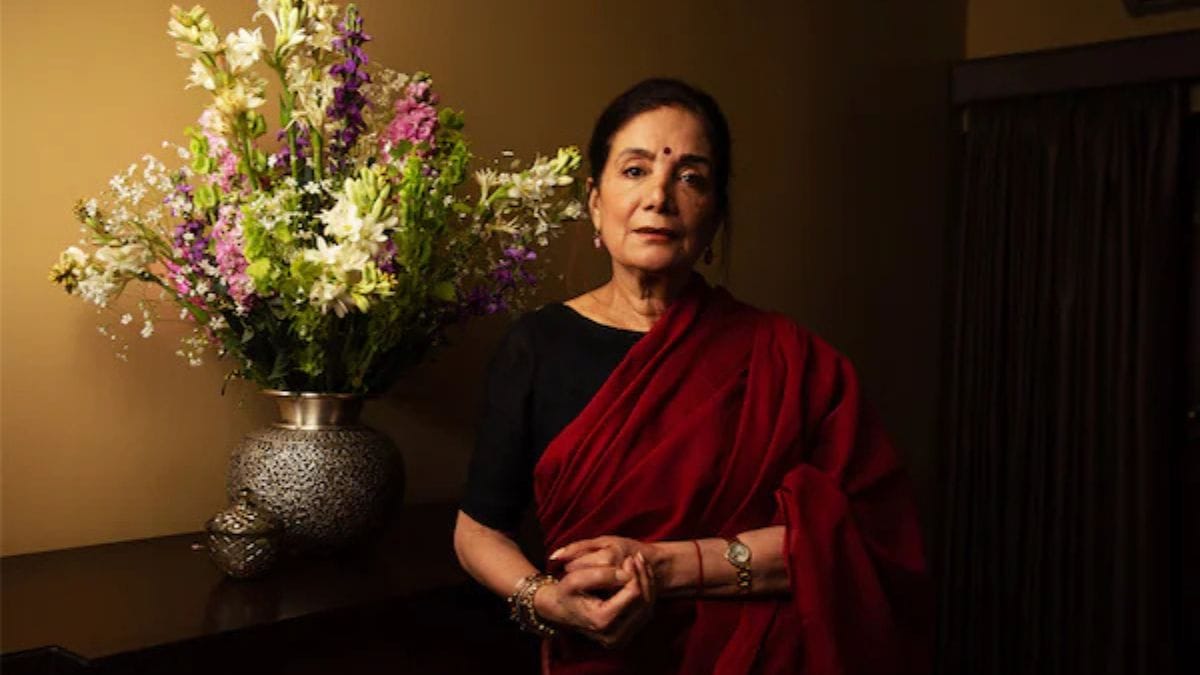
Mira Kulkarni did not plan to create a billion-dollar company when she first began. She wanted to make products that were so pure and natural you could almost eat them. At age 45, she decided to turn her interest in handmade soaps and candles into a real profession.
According to archives from Forbes India, she started in a small garage with an investment of Rs 2 lakh and only two employees to help her. This was the beginning of Forest Essentials, a brand that would eventually change how people view Indian beauty products.
The resilience of a quiet beginning
The path to success followed a period of significant personal change. Her marriage had ended and she lost both of her parents by the time she was 28. These events forced her to focus on day-to-day survival for a long time.
She spent twenty years working as a single mother to raise her two children before she ever thought about starting a business. Those early days in the garage required a lot of manual work to find the right cold-pressed oils and herbs that larger companies had stopped using.
Defining luxury through ancient wisdom
A major change happened when the brand moved from small batches to a larger market. Most hotels in India were giving guests cheap, synthetic toiletries that didn’t feel very special.
The Hyatt Regency in Delhi placed a large order for her handmade soaps, which proved that travelers wanted something more authentic. Other famous hotel chains like The Taj and The Oberoi followed this lead. These partnerships helped the brand grow a strong reputation for quality before it even had its own stores.
Then came the moment that changed everything – The Estée Lauder Companies noticed this unique position in 2008 and decided to buy a 20% stake in the business. This was the first time that specific global group had invested in an Indian brand.
The partnership helped with the technical side of the business while Mira and her son, Samrath Bedi, kept control of the creative side. According to reports from Business Standard, they decided to own and run all their stores themselves instead of selling franchises. This choice helped them keep the quality consistent as they grew to over 170 locations.
A global empire with a sustainable soul
Today, the business is worth between Rs 8,300 crore and Rs 10,000 crore based on recent reports from the Times of India. The brand has opened several stores in the GCC region and a flagship location in London’s Covent Garden.
Even with this international growth, the main production still happens in the mountains of Uttarakhand. The Lodsi Community Project is a manufacturing facility designed to have a very low impact on the environment. It is a modern building that uses local spring water and solar power to run its operations.
This facility provides steady jobs for many women from nearby villages who did not have their own income before. Vogue Indian reported that It uses recycled materials and local resources to keep the production process as clean as possible.
Mira Kulkarni’s experience shows that a company can be very successful without giving up its original principles. Her work started with the challenges of single motherhood and a small garage, but it ended up creating a legacy that changed the luxury market for everyone.