



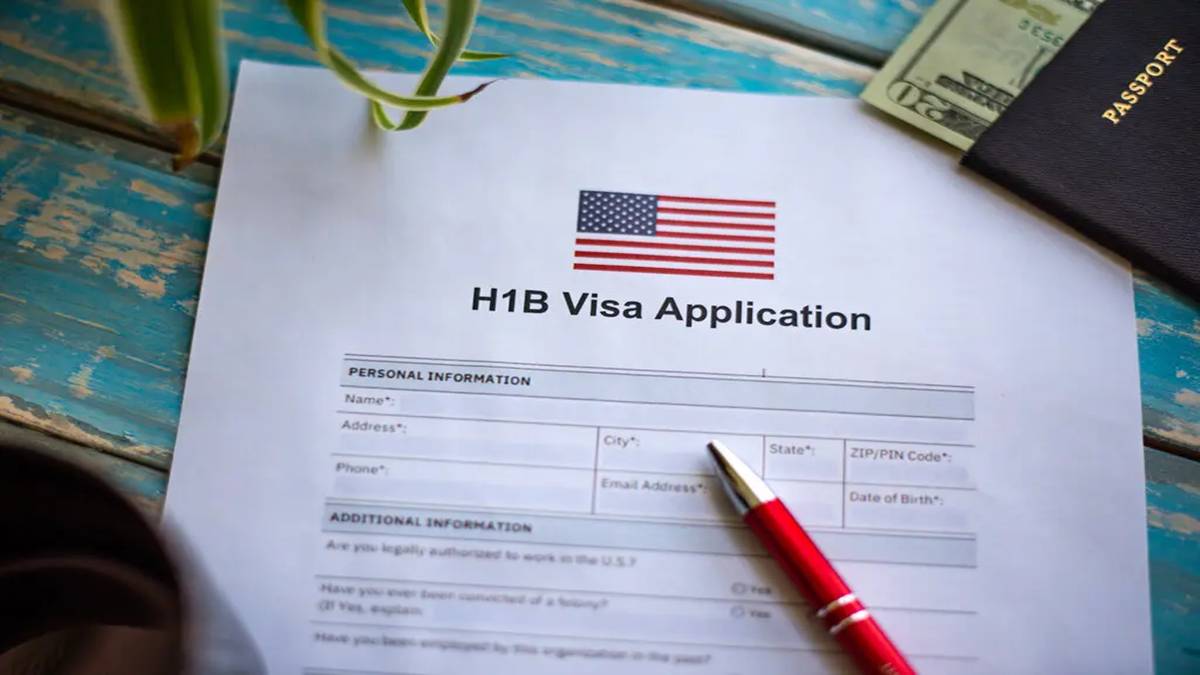
The path to working in the United States is becoming tougher for employees of India’s biggest IT services companies. H-1B visa approvals for top Indian technology firms have dropped sharply this year as the administration of US President Donald Trump tightens rules around work visas and green cards. The stricter approach is pushing Indian IT companies to rely more on offshore work from India while also increasing local hiring in the US.
According to official US government data, India’s six largest IT services companies —Tata Consultancy Services (TCS) recorded a 53% drop in approvals, while Wipro saw approvals plunge 62%. Tech Mahindra (TechM) also witnessed a sharp 59% decline. — They received 11,041 H-1B visas as of March 31, 2026. This is nearly 40% lower than the 18,469 visas these firms collectively received in the previous year.
The H-1B visa programme allows foreign workers, especially Indians in the technology sector, to work temporarily in the US in specialised roles such as software development, engineering and IT services. The US government follows a financial year running from October to September.
Trump administration tightens H-1B rules
The Trump administration recently said it witnessed a significant decline in H-1B visa applications this year after making major changes to the allocation process for work-based visas. Although President Donald Trump has often said he supports legal immigration, the H-1B programme has become a major focus for those demanding stricter immigration reforms.
The administration has introduced tighter wage requirements and increased application fees for employers. The White House says these measures aim to prevent misuse of the system and ensure that companies do not use the programme to hire lower-paid foreign workers over American employees. The US Citizenship and Immigration Services (USCIS), the agency that handles immigration applications and benefits in the US, said the new measures are beginning to show results.
In a statement posted on X, USCIS said, “This data is a clear sign that the days of abusing the program with mass, low-wage registrations are over, and that the program is better serving its intended purpose of attracting highly skilled foreign workers and protecting the wages, working conditions, and job opportunities of American workers.”
The agency said the number of “properly submitted” applications for the 2027 H-1B allocation fell sharply to 211,600 from 343,981 in fiscal year 2026. This marks a decline of 38.5%. USCIS also said there has been a noticeable shift in the type of candidates receiving approvals under the H-1B programme. According to the agency, 71.5% of selected applicants held a US master’s degree or higher in 2027, compared with 57% a year earlier. This suggests that more foreign students graduating from American universities are now being prioritised for H-1B approvals.