



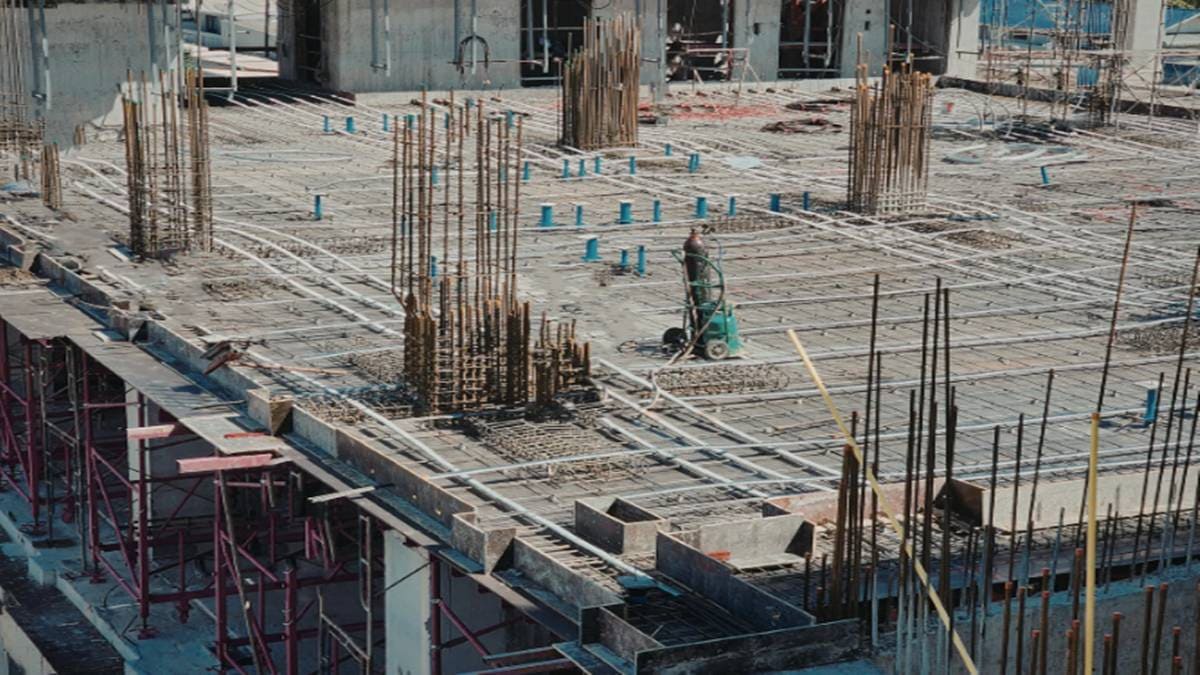
Quick commerce is extending beyond groceries and consumer goods into construction materials, as a clutch of technology-led startups offer delivery of items such as cement, bricks, electricals, pipes and safety gear within 2–24 hours. Platforms including Moglix, HomeRun, Cital, IBO, KYZO and Materialhunt are targeting EPC contractors, infrastructure developers and home improvement firms, where delays in supplies can disrupt project timelines.
The shift is being driven by the need for reliability and faster turnaround, alongside a gradual move from bulk procurement to just-in-time purchasing in a market that has historically been fragmented and relationship-driven. “The core driver is downtime on construction sites. If materials don’t arrive on time, labour sits idle and costs escalate quickly. These players are enabling delivery of critical materials within hours,” Aditya Singh, co-founder and partner at All In Capital, told Fe.
B2B buying shifts to smaller, faster orders
Industry participants say the model reflects a broader change in B2B buying behaviour. Contractors, who earlier depended on bulk orders and multiple local vendors, are increasingly opting for smaller, frequent purchases to manage working capital more efficiently. “Slow delivery by local vendors leads to wasted labour days and project delays. Assured timely delivery is valuable since contractors are paid on outcomes,” said Deepak Gupta, general partner at WEH Ventures.
Executives point out that delays are often caused not by large materials but by smaller consumables. “The problem was never the big materials. What affects timelines is the small stuff — a missing electrode or grinding disc,” said Rahul Garg, founder and CEO of Moglix. He added that construction processes are sequential and even minor shortages can halt operations, particularly at remote sites.
Moglix introduced next-day delivery in August 2024 and has since expanded the service to 40 cities, covering over 10,000 stock-keeping units. According to the company, industry-wide B2B delivery timelines typically range between 72 and 96 hours. Its internal data showed that around 25% of demand came from major urban centres where conversion rates were lower due to concerns over delivery speed.
“The demand usually originates from site teams, not procurement offices. Buyers are ordering from job sites with limited time, which shaped the design of next-day delivery,” Garg said.
Quick-delivery model gains traction in B2B supplies
Fast-delivery categories are largely limited to consumables and indirect materials such as welding rods, cutting tools, geotextiles, traffic safety equipment and plant maintenance parts. “On some days, these matter more than primary materials,” Garg added.
Investor interest in the segment is picking up alongside the broader B2B commerce opportunity. In February, HomeRun, founded in 2024, raised $6.6 million in a round led by Sorin Investments, offering deliveries within one to two hours through a hyperlocal network. IBO, backed by WestBridge Capital, provides four-hour delivery across Bengaluru, Mysuru and Hyderabad and has expanded its offline presence to over 40 stores in south India.
Experts expect strong growth over the next three to five years, albeit from a low base. “It addresses a real operational problem, and the construction market in India is large and expanding,” Singh said, adding that the segment could grow 30–40% annually in the early years, particularly in urban clusters.
Globally, B2B e-commerce is projected to reach $36 trillion by 2026, with construction and industrial supplies among the faster-growing segments. “Platforms combining procurement, fast delivery and financing are where investor attention is heading,” Garg said.