



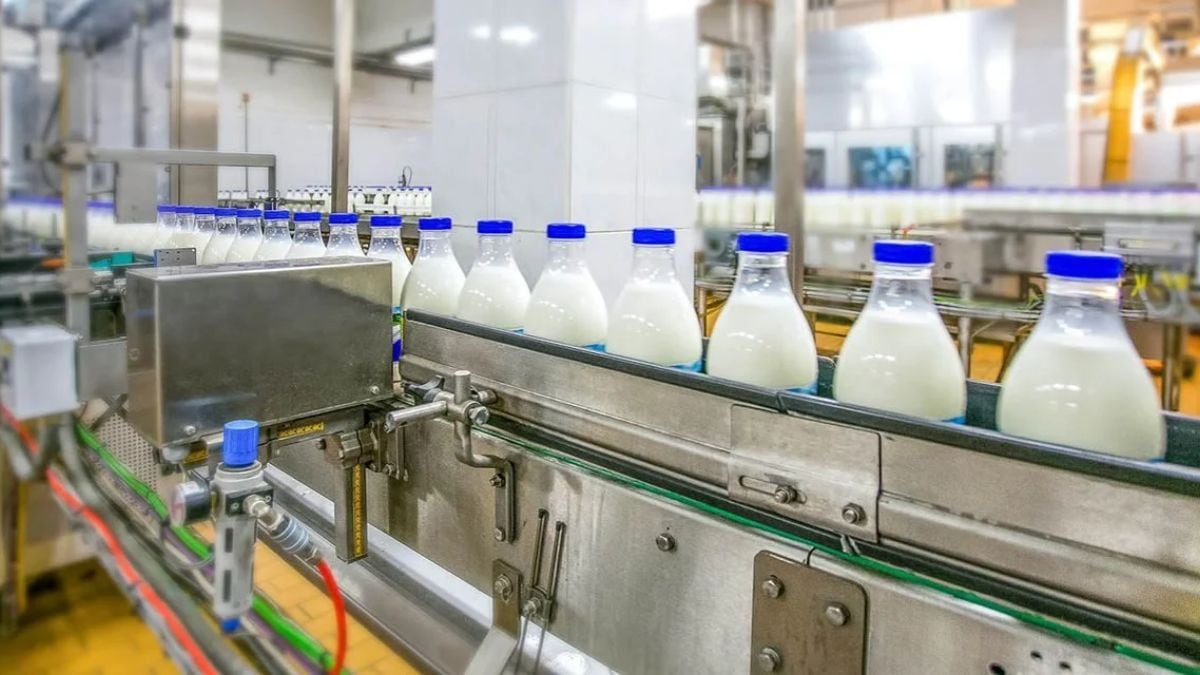
The humble bottle and plastic wrapper—often overlooked —are turning into the weakest supply-chain link for fast-moving consumer goods (FMCG), beverage and pharma companies, as the West Asia conflict intensifies. What moves quietly behind the scenes is now front and centre: glass bottles are getting harder to source; plastic resins and polymers are becoming dearer, affecting production of daily-use items such as shampoos, hair oils, toothpastes, food products, soft drinks and life-saving drugs.
Since the start of the war, the price of crude-linked derivatives such as polyethylene (PE) and polypropylene (PP), which go into plastic packaging, have risen by over 50-60%, while glass costs are up by over 20% amid a shortage of commercial gas, according to industry executives.
For companies in FMCG, beverages and pharmaceuticals, this is more than a procurement headache. Packaging typically accounts for 15–25% of product costs, meaning even modest increases can quickly eat into margins, forcing companies to reassess pricing, sourcing, and inventory strategies.
“The volatility in crude oil prices, coupled with prevailing geopolitical uncertainties, is beginning to have a visible impact on the packaging ecosystem, particularly in flexible and rigid plastic packaging,” Sanjay Gupta, senior vice-president, packaging development, DS Group, best-known for brands such as Catch spices, Pulse candy and Pass Pass mouth freshner, said. “The market is also witnessing premium being charged over list prices in some cases amid tightening availability,” he said.
Peak Summer Pressure
For beverage companies, the pressure is dual as this is the peak summer season when demand is high and sales constitute over 50% of annual turnover.
“The disruption in packaging supplies has become increasingly severe over the past few weeks—from tight availability to near exhaustion of stock in the domestic market,” Piruz Khambatta, chairman, Rasna International, said.
In response, companies are light-weighting packaging, trimming grammage and rationalising SKUs, while keeping price hikes on standby. With low-unit packs such as Rs 5 Rs 10, Rs 15 and Rs 20, accounting for over 60% of beverage as well as snack food sales, firms say they can ill-afford to raise prices at least for now when demand remains uneven especially in urban areas. “We are absorbing the price hikes as consumers remain sensitive to price increases,” Khambatta said.
Packaging shortages are particularly visible in alcoholic beverages, where glass bottle availability is tightening just as seasonal demand accelerates. Several glass manufacturers have raised prices or adjusted output, leading to longer lead times and allocation-based supplies. “We are planning production more tightly because packaging availability is no longer guaranteed,” said a senior executive at a large bottling firm.
Production Bottlenecks
Suraj Mehta, chief strategy officer at Hindusthan National Glass & Industries (HNGIL), said, it was seeing early signs of a bottle shortage for beer and soft drinks.
“A glass furnace runs continuously. A brief interruption can cause serious damage to the furnace. If one shuts down entirely, restarting it can take anywhere from six months to a year, at a cost of between Rs 50 crore and Rs 150 crore. Because of these fuel constraints, our production capacity has dropped to between 40% and 60% of normal levels,” he said.
In pharmaceuticals, the stakes are even higher. Medical-grade plastics and glass vials are critical and difficult to substitute quickly. Companies are responding by building safety stocks and locking in supplier contracts, even at higher costs, experts said.
Meanwhile, logistics is compounding the strain. Heightened risks in Gulf shipping lanes have driven up freight rates and war-risk premiums by over 20–30%, inflating landed costs and extending delivery timelines. Suppliers are also offering shorter price validity, reflecting volatile input markets.
While firms are exploring alternative materials, recycled plastics and supplier diversification, these are medium-term fixes. With no immediate easing of geopolitical tensions, the packaging bottleneck is set to persist—quietly but firmly tightening its grip on costs, supply chains, and ultimately, consumers.