



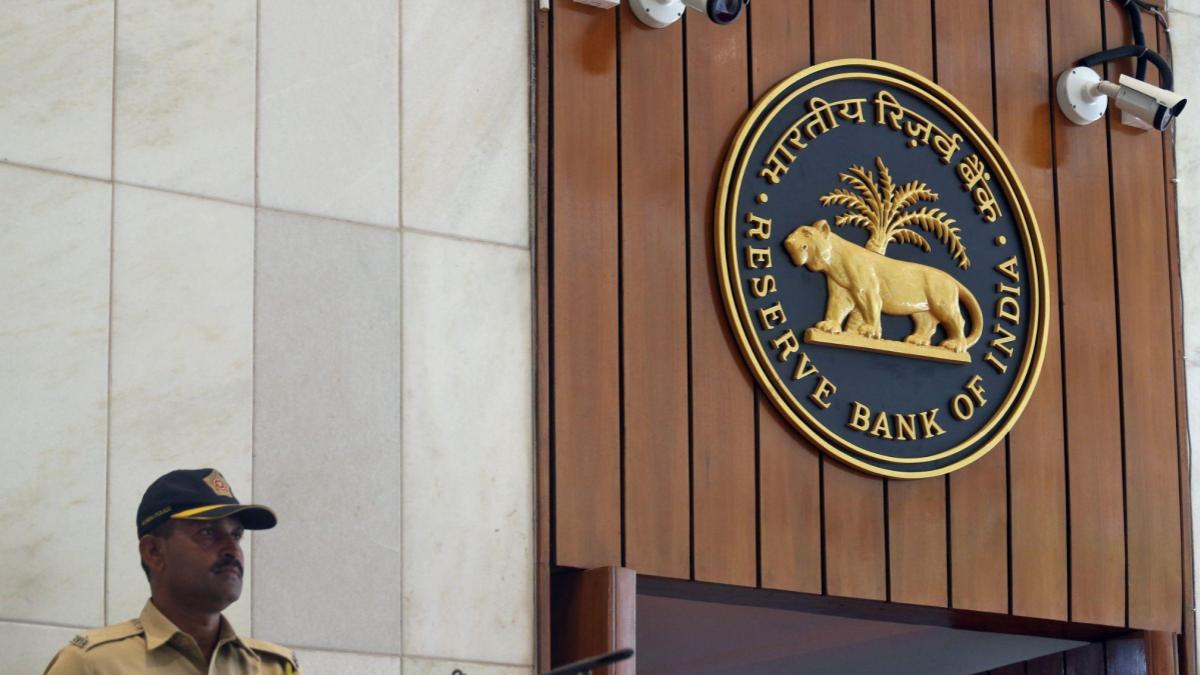
The Reserve Bank of India (RBI) decided on Wednesday to keep its key policy rate unchanged as it waits for clearer evidence of how the ongoing Iran war could affect India’s economy. The development came after US President Donald Trump announced a temporary two‑week ceasefire with Iran, as the Middle East conflict entered its 40th day. The pause is meant to last for two weeks, with both sides showing willingness to work toward a resolution.
“Risks to growth and inflation have risen because of the Middle East crisis, but we have chosen to wait and watch,” said RBI Governor Sanjay Malhotra while announcing the policy decision.
The RBI said that rising global uncertainties are beginning to impact various sectors. If supply disruptions continue, a small initial shock could turn into a larger problem, affecting demand across the economy.
RBI flags major risks to India’s economy
Governor Malhotra noted that geopolitical uncertainties have increased since the last policy meeting. “While inflation remains in check, upside risks have risen, and second-round effects of rising oil prices make the outlook uncertain,” he said.
Crude Oil prices could push Inflation higher
The RBI pointed out that high crude oil prices could raise the cost of imports, increasing inflation in India. This could also widen the current account deficit, making it more expensive for the country to import goods and energy.
According to the RBI, High-frequency economic indicators suggest that India’s economy is still performing well. However, higher oil prices and shortages of key inputs like gas could slow this momentum.
Supply Disruptions
Malhotra added that the supply shock currently affecting the economy could turn into a demand shock if disruptions continue.
Disruptions in energy, fertilisers, and other commodities could hurt key sectors like industry, agriculture, and services. This could reduce domestic output and slow down economic growth.
Liquidity and Investment Risks
The RBI also warned that global uncertainty is making investors cautious. Rising risk aversion and demand for safe-haven assets could tighten domestic liquidity.
Oil prices in Asia fell sharply on Wednesday after US President Donald Trump agreed to a two-week ceasefire with Iran, but prices remain much higher than they were a few months ago.
Slower global growth could reduce exports and remittances
Weaker growth in other countries may reduce demand for Indian goods and services. This could also lower remittance inflows, which are an important source of income for many families in India.
Global financial spillovers could raise borrowing costs
Finally, the RBI said that changes in global financial markets could tighten domestic financial conditions. This may push up borrowing costs for businesses and consumers.
Slower Growth and slightly higher Inflation ahead
The RBI also shared its first economic forecasts for the current financial year. It expects:
- GDP growth to slow to 6.9% in 2026-27, down from an expected 7.6% in 2025-26.
- Average inflation is expected to be 4.6%, within the central bank’s target band of 2–6%. For the first 11 months of 2025-26, inflation averaged 1.95%.
- Core inflation (which excludes food and energy) was at 4.4% for the year.
Earlier government estimates had projected growth above 7% for the fiscal year that began on April 1, 2026, with inflation expected to stay close to 4%.
The six-member Monetary Policy Committee (MPC), which includes three central bank officials and three external appointees, voted unanimously to keep the repo rate at 5.25%. The MPC also decided to continue with a neutral policy stance.