



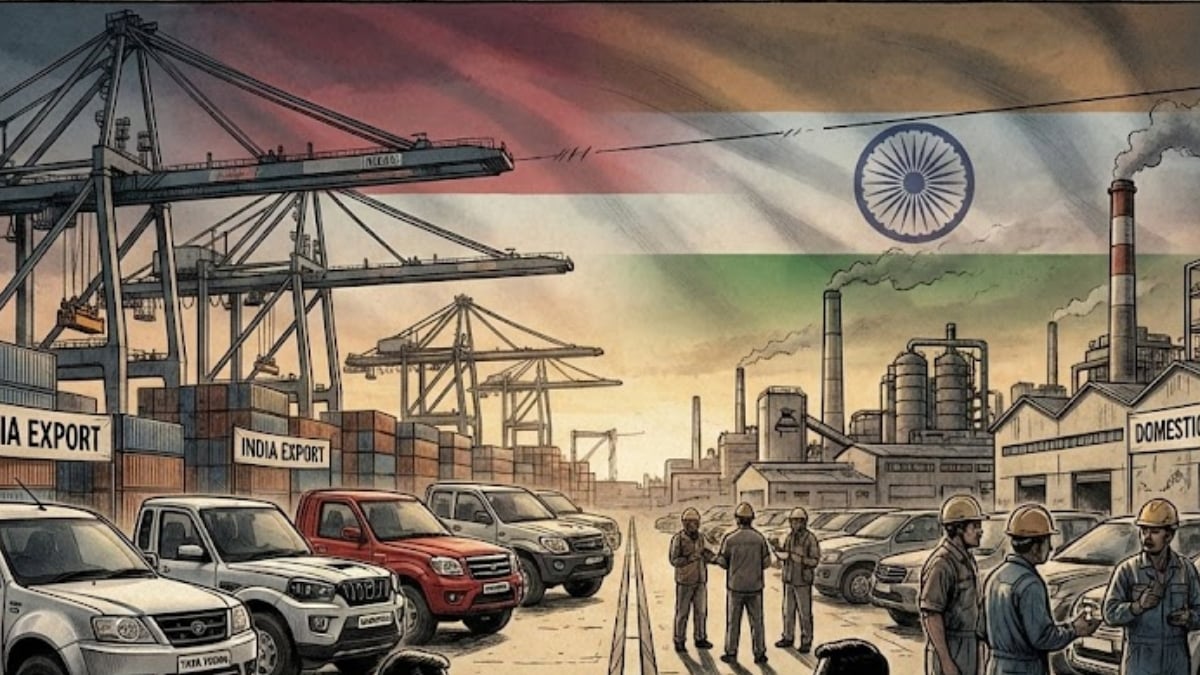
Indonesia’s plan to import 105,000 pickup trucks from India’s Tata Motors and Mahindra, for its flagship rural cooperative programme has run into stiff resistance from domestic industry bodies, with trade agencies urging President Prabowo Subianto to scrap the proposal. This is aming the largest global supply contracts awarded to the two Indian automakers.
The Indonesian Chamber of Commerce and Industry (Kadin) and the Indonesian Automotive Industry Association (Gaikindo) have opposed the estimated Rp 25 trillion ($1.5 billion) import plan, arguing that local manufacturers are capable of meeting the demand. The vehicles are intended for deployment under the government’s Koperasi Merah Putih initiative to strengthen rural logistics and agricultural supply chains.
Agrinas Pangan Nusantara, a state-owned enterprise, has lined up orders of 35,000 four-wheel-drive pickups each from Mahindra & Mahindra and Tata Motors, along with 35,000 six-wheel trucks from the same manufacturers, with deliveries staggered through 2026.
Tata Motors said it will supply 70,000 vehicles comprising 35,000 Yodha pick-ups and 35,000 Ultra T.7 trucks through its subsidiary PT Tata Motors Distribusi Indonesia, marking one of its largest single commercial vehicle orders in the region. Separately, Mahindra termed the 35,000-unit Scorpio Pik Up deal its biggest-ever export order, exceeding its total overseas shipments in the previous fiscal year.
In a statement given to Indonesian local media, Saleh Husin, vice chairman of Kadin, warned that importing fully built-up (CBU) vehicles risks undermining Indonesia’s domestic automotive ecosystem. “After hearing feedback from industry players, we are urging President Prabowo to cancel the plan to import 105,000 commercial vehicles,” he said, cautioning that the move could erode competitiveness while offering limited domestic economic benefit.
Gaikindo chairman Putu Juli Ardika said at least six automakers operating assembly plants in Indonesia could meet the pickup requirement if provided sufficient lead time. Industry representatives from Indonesia alsos note that local plants have the capacity to produce hundreds of thousands of pickups annually, with current utilisation below potential. Domestically assembled vehicles already carry over 40% local content and are backed by an established after-sales network.