



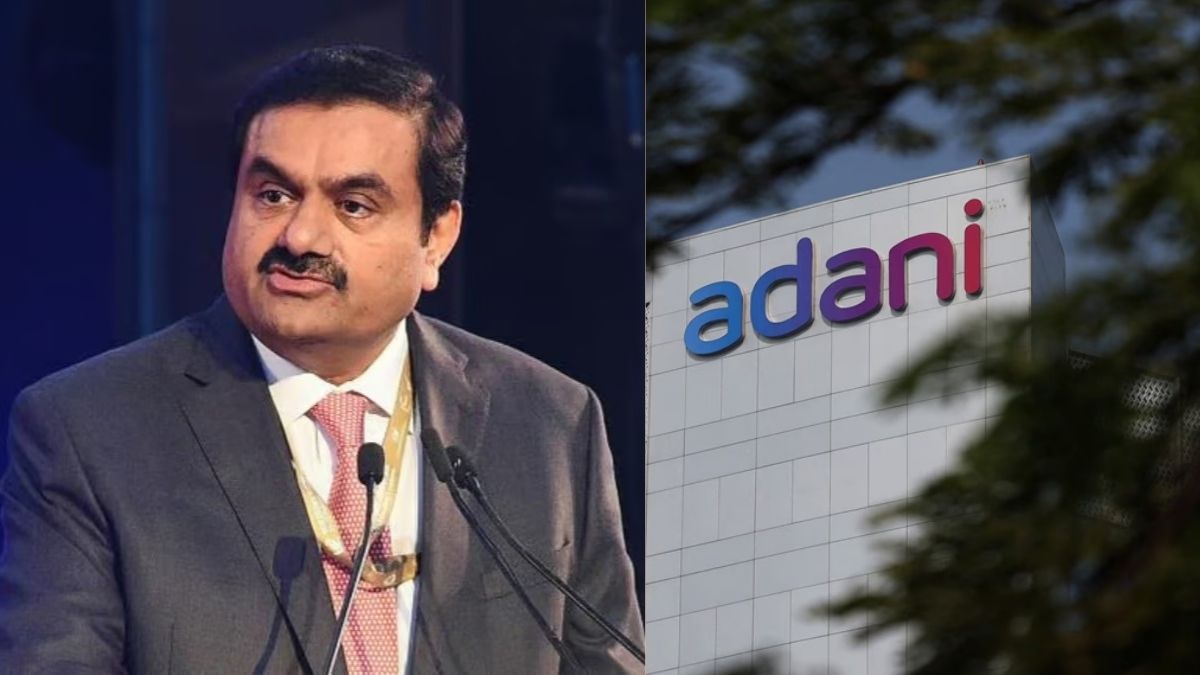
Adani Group Chairman Gautam Adani has said under oath that no promise, agreement or deal was made in connection with the US Department of Justice’s decision to seek the dismissal of the criminal indictment against him, as reported by PTI
In a sworn affidavit, Adani said he had no knowledge of any offer or exchange linked to the move. The filing came after the US District Court for the Eastern District of New York ordered him on July 8 to disclose under oath whether he was aware of any promise, offer or agreement connected to the proposed dismissal of the indictment.
The affidavit was submitted after US District Judge Nicholas Garaufis directed Adani to clarify whether any promise, offer, agreement or benefit was linked to the Justice Department’s move to dismiss the indictment, according to PTI
Judge sought clarity before ruling on dismissal
Garaufis had asked Adani to file the affidavit by July 15 before the court decides on the Justice Department’s request to dismiss the indictment with prejudice. A dismissal with prejudice would prevent the same charges from being brought again and effectively bring the criminal proceedings to a final close.
The judge sought details on whether any exchange, arrangement or understanding was connected to the government’s decision to seek dismissal.
The order came after a filing by Principal Associate Deputy Attorney General R Trent McCotter, who said he was the “final and sole decision-maker” behind the Justice Department’s move to dismiss the case.
McCotter rejected reports suggesting that the decision was linked to Adani Group’s plans to invest about $10 billion in the United States.
“The current or former Department attorneys…have suggested that I sought dismissal of the securities charges at least in part because of some promise by those defendants to invest money in the United States. That is false,” McCotter wrote, as reported by PTI.
“I would have sought dismissal of the securities charges regardless of any mentions of investments,” he added. “The mention of potential investments could not have played any role.”
Adani says US investment plan came before indictment
Addressing speculation surrounding the Adani Group’s proposed investments in the United States, Adani said the group had publicly announced its intention to invest $10 billion in the country on November 13, 2024, before the indictment against him was unsealed.
According to the affidavit, Adani’s legal counsel, Sullivan & Cromwell LLP, held meetings with officials from the US Department of Justice and the Securities and Exchange Commission. The lawyers also submitted a white paper, expert reports and other materials as part of their representations to US authorities.
The counsel indicated that the proposed US investment could potentially form part of a resolution if the authorities chose to consider it.
However, the Justice Department later told Adani’s lawyers that the proposed investment would not be considered while deciding whether to seek dismissal of the case. Adani said the investment plan played no role in the department’s eventual decision.
Justice Department called investment-link reports false
The Justice Department had also rejected reports linking the dismissal of the case to investment commitments in the United States in a July 4 filing.
Prosecutors said the case faced legal and evidentiary challenges, including the fact that much of the alleged conduct took place in India. They also pointed to the absence of identified investor losses and said the allegations were already being examined by authorities in India.
McCotter described the securities fraud case as legally “indefensible”. He argued that most of the alleged conduct occurred in India, Indian authorities had found no actionable misconduct, investors had suffered no losses, key evidence and witnesses were outside the United States, and the defendants were unlikely to appear before a US court.
He also said charges under the Foreign Corrupt Practices Act no longer aligned with the Trump administration’s enforcement priorities, which focus on cases involving US national security, American companies or transnational criminal organisations.
The Justice Department further told the court that the indictment appeared to have been unsealed during the final days of the Joe Biden administration as a “name-and-shame” action, leaving the case for the succeeding Donald Trump administration to handle.
Judge raised questions over possible agreement
Garaufis, however, said McCotter’s filing raised “for the first time” the possibility that some form of agreement involving one or more defendants may have existed in connection with the dismissal, even though no such arrangement had previously been disclosed to the court.
The judge noted that Adani’s lawyers had earlier explained why the defendants consented to the government’s motion to dismiss but had not mentioned any agreement, including one involving a commitment to invest in the United States.
Before approving the government’s request under Rule 48(a), Garaufis said the court must be satisfied that the Justice Department’s reasons for seeking dismissal are genuine and that no undisclosed agreement influenced the decision.
What the 2024 case alleged
The Justice Department had filed charges in 2024 under the Biden administration, accusing Adani and seven others of participating in a scheme to pay about $250 million in bribes to Indian officials to secure power supply contracts. Prosecutors also accused the defendants of misleading investors while raising capital in US markets.
Adani has denied the allegations.
The indictment, announced in November 2024, triggered a sharp sell-off in Adani Group stocks. The group’s listed companies lost nearly Rs 2.85 lakh crore in market capitalisation over four trading sessions, affecting millions of shareholders.
The Justice Department has now asked the court to dismiss the criminal proceedings with prejudice. Adani’s sworn affidavit directly addresses the judge’s questions about whether any undisclosed promise or arrangement was behind that request, leaving the court to decide whether the government’s motion to permanently close the case should be approved.