



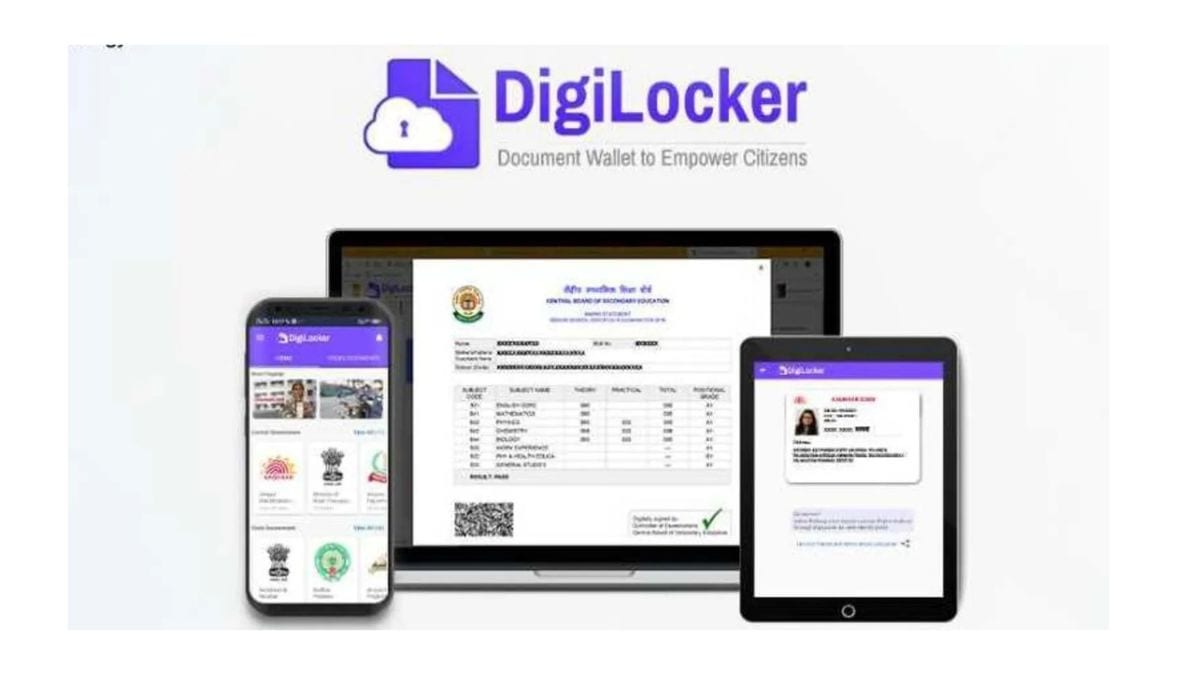
Users of DigiLocker may soon be able to share multiple verified documents in a single step, cutting down the need to upload and authenticate records separately across services such as education admissions, financial onboarding and insurance.
The proposed feature will allow individuals to package documents, ranging from academic certificates and income tax returns to bank statements, insurance papers and identity credentials, into a single, consent-based digital bundle that can be shared with an institution. The aim is to reduce the time and effort involved in repetitive submissions and verification checks that are currently required across platforms.
Consent-Based Bundling
At present, users typically upload documents one at a time and institutions independently verify each record, often leading to delays and duplication. The new system is expected to pull documents directly from the original issuing authorities, enabling receiving entities to rely on them without additional layers of validation. This could streamline processes such as university applications, loan approvals and compliance filings, where multiple documents are routinely sought.
For users, this would translate into fewer touchpoints and faster turnaround times. A student applying overseas, for instance, could share a verified set of academic and identity documents in one go instead of submitting them individually across portals. Similarly, individuals seeking financial services may be able to complete onboarding with a single, authenticated data share rather than repeated KYC submissions.
Global Ambitions
The development also opens up the possibility of using such verified credentials beyond India. Work is underway to enable interoperability so that documents issued domestically can be recognised within digital systems or wallets in partner countries. If implemented, this would allow users to carry their verified records across borders without needing physical copies or fresh attestations at each step.
India has already entered into arrangements with multiple countries to extend elements of its digital public infrastructure, and DigiLocker is expected to form part of that broader framework. For users, this could ease processes such as foreign education admissions or compliance requirements in another jurisdiction.
The system is designed to remain consent-driven, with users choosing when and with whom to share their data. Documents will continue to reside with the original issuer and will be shared only upon approval, rather than being stored centrally for reuse. Officials said the architecture is being aligned with data protection requirements under existing law.
DigiLocker already provides access to a range of government-issued documents, including identity records and, more recently, passports. The planned enhancements indicate a shift towards making it a more active utility for day-to-day transactions, where verified data can move seamlessly between users and service providers, reducing paperwork and processing time.