



The government is likely to raise the public sector asset monetisation target to around Rs 11 lakh crore for FY26–FY30, compared with the earlier estimate of Rs 10 lakh crore, signalling a stronger push for recycling brownfield infrastructure assets over the next five years.
Sectoral Breakup
According to sources, the revised projections are being finalised after consultations with key ministries and departments to assess the feasibility of asset pipelines across sectors.
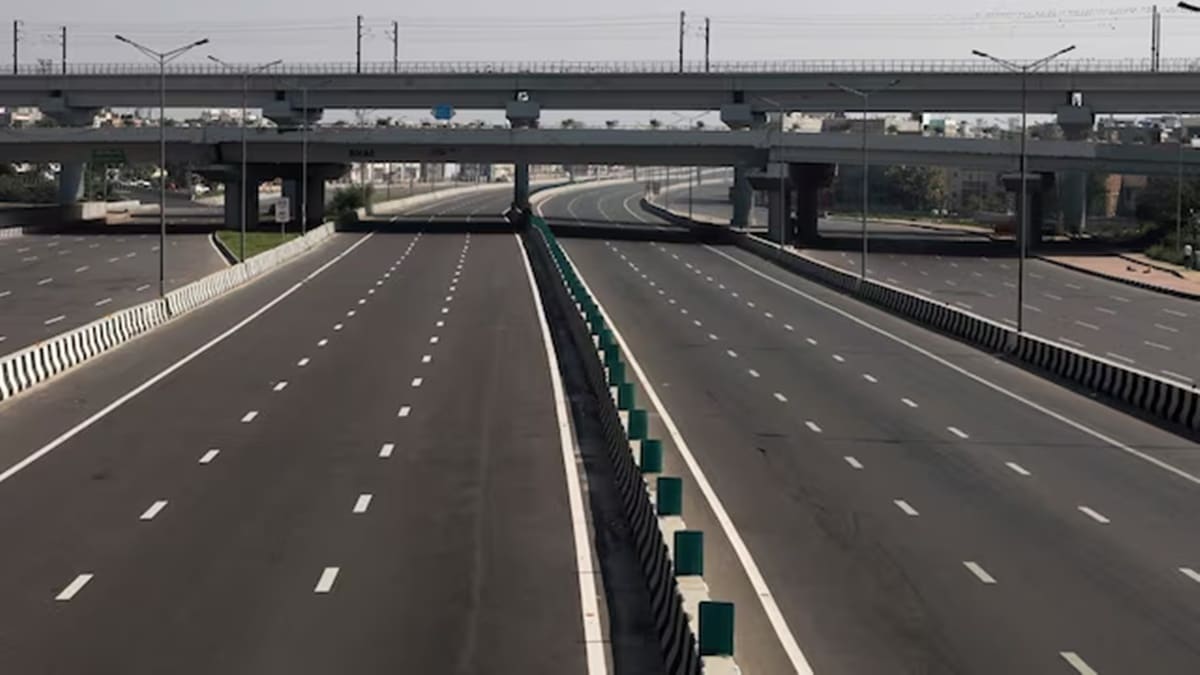
Highways are expected to anchor this second phase with an estimated around Rs 4 lakh crore of monetisation potential, leveraging the strong investor appetite for operational road assets.
Railways may contribute around Rs 2 lakh crore, supported by the scaling up of station redevelopment, long-term leases and freight infrastructure monetisation.
The power and port sectors are each expected to add around Rs 1 lakh crore, driven by transmission line concessions, distribution franchise models, and long-term port asset leasing.
Public sector asset monetisation works by unlocking capital embedded in operational infrastructure—such as roads, ports, mines and transmission networks—through leasing frameworks rather than outright sale.
This enables the government to generate upfront non-tax revenue, easing fiscal pressures, reducing reliance on borrowings, and channelling resources into new infrastructure creation. The process enhances efficiency by bringing in private-sector expertise in operations, maintenance, and technology, while attracting long-term global investors such as pension funds and sovereign wealth funds.
NMP Phase 1 Review
During the first phase (FY22–FY25), the National Monetisation Pipeline (NMP) achieved Rs 5.3 lakh crore against the Rs 6 lakh crore target. Coal accounted for the largest share at Rs 2 lakh crore, followed by roads (Rs 1.1 lakh crore), power (Rs 50,000 crore), petroleum and natural gas (Rs 40,000 crore), mines (Rs 40,000 crore), railways (Rs 30,000 crore), shipping (Rs 20,000 crore) and urban infrastructure (Rs 10,000 crore).
The upcoming phase is expected to broaden its scope, with infrastructure development on vacant public land emerging as a major new area of asset recycling.
Monetisation proceeds may come from upfront payments, revenue-sharing models, or private capital expenditure—particularly in mining.
The NHAI is set to expand the use of InvITs and toll-operate-transfer (TOT) concessions, while the railways are expected to accelerate monetisation through station redevelopment and logistics infrastructure from FY26 onward.
The Union Budget 2025-26 announced the launch of NMP 2025-30 to plough back Rs 10 lakh crore to further accelerate the creation of infrastructure in the country.