



Will the hard-earned goldilocks glow of Indian economy begin to fade? That seems to be a question bothering many, as developments abroad with the war in the Middle East getting Goldilocks confused and, in the process, unsettling the tranquillity many were hinging their hope on for the journey to the high table of rich nations by 2047.
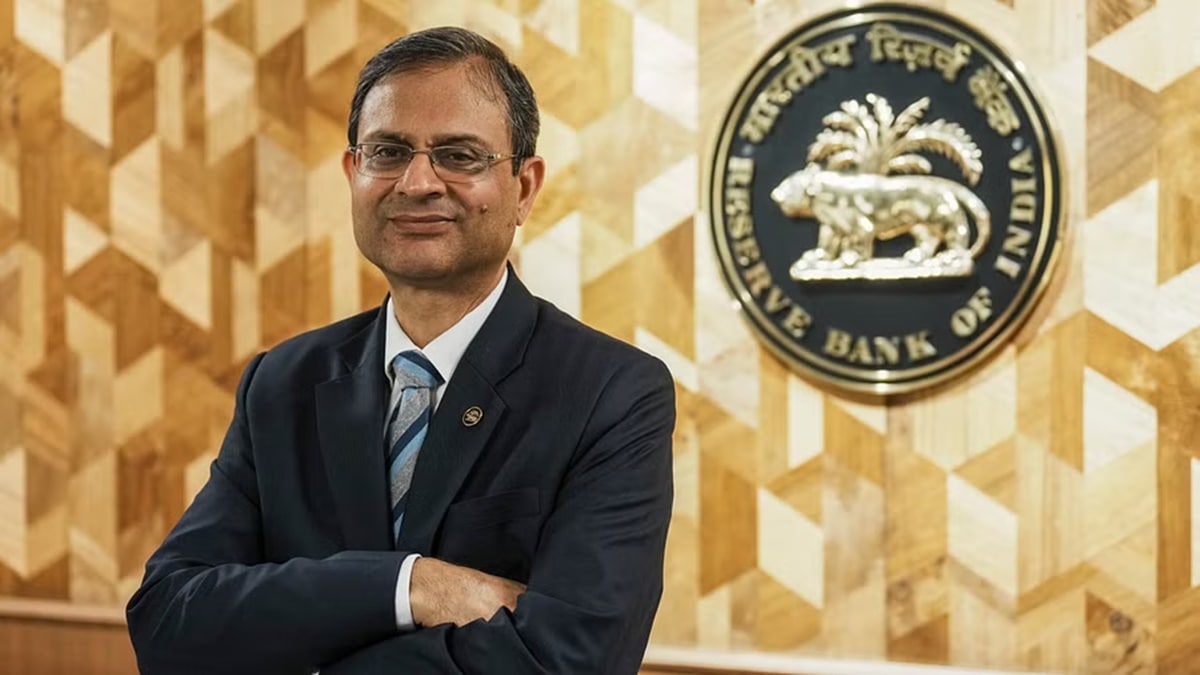
With the next Reserve Bank of India monetary policy committee meeting due in the next few days followed by the much-awaited statement by RBI governor Sanjay Malhotra, the industry, peppered by the ground realities that lie beyond the control of the central bank, is hoping for signals of support for the industry and for growth. Malhotra had concluded last calendar year with his reading of the economy that had not just performed well but was also holding out a promise for a better year ahead. To him, it presented a picture of “rare Goldilocks period” with the GDP growth having “accelerated to 8.2 per cent in second quarter of the year, inflation at a benign 2.2 per cent and growth at 8.0 per cent in H1:2025-26.”
This writer spoke to many seasoned leaders from the banking and finance arena albeit the voices that carry weight did not wish to be named.. A link node that ran across most assessments of what was happening and on what to expect was a scenario abroad where the interest rates were bound to go up. So, most were very clear that there was no question of expecting any reduction in the interest rates at this moment. The US has kept the rates stable and hope has been that even the RBI will follow suit, even as it tends to respond to the local nuances. In any case, raising interest rates at this juncture certainly seemed out of question since it would be construed as hugely negative for the economy. Nonetheless, the view that seemed to resonate across many finance gurus was around what the RBI could do and send out a powerful signal of the listening regulator, a term many seem to use rather often to describe the current governor. There could at least be a little release of Cash Reserve Ratio (CRR) or Statutory Liquidity Ratio (SLR) and this could send out the right signal that the regulator wants to support industry and growth.
That this was well within the realms of realistic expectation since the RBI has itself maintained that all the existing banks are well capitalised, strong and safe, with most backed by balance sheets that have never been stronger than today. In keeping with this the RBI could reduce the CRR by 0.5 per cent or reduce the SRL by 1 per cent and let more money come into the economy. This will enable banks to lend more especially at a time when deposit mobilization has remained a challenge and the growth of deposits are low. Therefore, credit cannot happen because retail money is all going elsewhere – into SIPs for instance.
It was crucial at this juncture to let banks lend more because if they do not lend more, then the growth will get adversely impacted.
Some of the worrying factors at the moment:
Rupee slipping against the dollar:
Now having crossed Rs 95, here is a quote from a report just released by SBI Research which says, the Indian Rupee depreciated by 6.4 per cent between April 2nd 2025 to February 27th 2026 (period 1 /the war started on February 28th). At the same time the dollar index also depreciated by 6 per cent during the same period. This was the time when most currencies were appreciating against the dollar but not the rupee and thus perhaps the argument of using rupee as a shock absorber may have been overblown. The rupee depreciation post February 27th (period 2) is in fact in line with other currencies, and in fact better than currencies which appreciated significantly in period 1 indicating that in an uncertain world pushing the limits on rupee depreciation as a shock absorber does not hold beyond an inflection point.”
Rising oil prices and snarls in the supply chain especially in some of the essential items:
With crude oil price about $100 a barrel and most financial estimates made thus far have been based on $70 a barrel. In terms of supply shortages, specific sectors have already started feeling the pain. For instance, both the healthcare industry and semiconductor chips are hurting because of a shortfall in the supplies of liquid helium used as a coolant.
Worries on slipping foreign remittances and why this matters:
A rough back-of-the-envelope calculation by many who have studied the trends suggests that around a third of all the foreign remittances that India gets each year come from all the countries put together – regions like Kuwait, Qatar or Dubai- and these have seen a decline. In terms of some specific numbers, industry estimates point to inward remittances from the GCC (Gulf Cooperation Council) countries contributing to almost 38 per cent of total remittances into India in a year. For instance, broadly, UAE takes the lion’s share with 19 per cent followed by Saudi Arabia at around 7 per cent, Qatar and Kuwait, each 4 per cent followed by Oman 3 per cent and Bahrain at around 1 per cent. According to industry leaders, with more than one-third of remittances coming from the GCC, a prolonged war could have repercussions for India’s current account deficit if remittances slow down. The numbers are apparently huge and hard to ignore, with India’s exposure to remittances from these regions estimated at around US $ 50 billion. What also makes it hard to gloss over is the fact that remittances account for a major source of external financing (the second largest source for the country) after the export of services and play a crucial role in reducing the current account deficit.
The diaspora dependence: Estimates by the industry also point to India’s diaspora being estimated at 35 million as of 2024, and of this, around 10 million in the GCC countries alone.
The ramifications of the impact on the Dubai business model:
Here is what a leading industry leader had to say: “I know of people who have left Dubai to return back to India because their families found it dangerous and called them back. Also, property prices have been almost collapsing, and the remittances from the region to India, have reduced. So, for Dubai to get back to normalcy will take two to three years.” This means it may be sometime before people again begin to head back in large numbers to live, work, make money and enjoy all the shopping experiences.
Little progress on privatisation/disinvestment:
This is the time, most of the experts and industry veterans felt the government should be focused on augmenting its resources by strategically selling assets, which is what is normally done when one faces a crunch. Instead, consider the debate around the scrapping of the IDBI Bank disinvestment, apparently because it fell short, and sadly, a scenario where its share price tumbled in the market.
Fiscal deficit concerns:
Focus on maintaining fiscal probity has stood out as an important element in the Union budgets by Finance Minister Nirmala Sitharaman. However, with elections looming large on some key states and the need to cushion the impact of the oil price rise, there are fresh concerns emerging on what could happen to fiscal deficit and on inflation. To quote a leading name from India Inc., who did not wish to be named: You need to sell your assets to balance your books because you will need a large amount of money to replenish your coffers otherwise the fiscal deficit will go out of hand. Already, the excise duty cut on petrol and diesel are by some estimates likely to result in a revenue loss of around Rs 6,000 crore. Whatever the actual impact, the numbers, given the scale and size, would still be significant.