



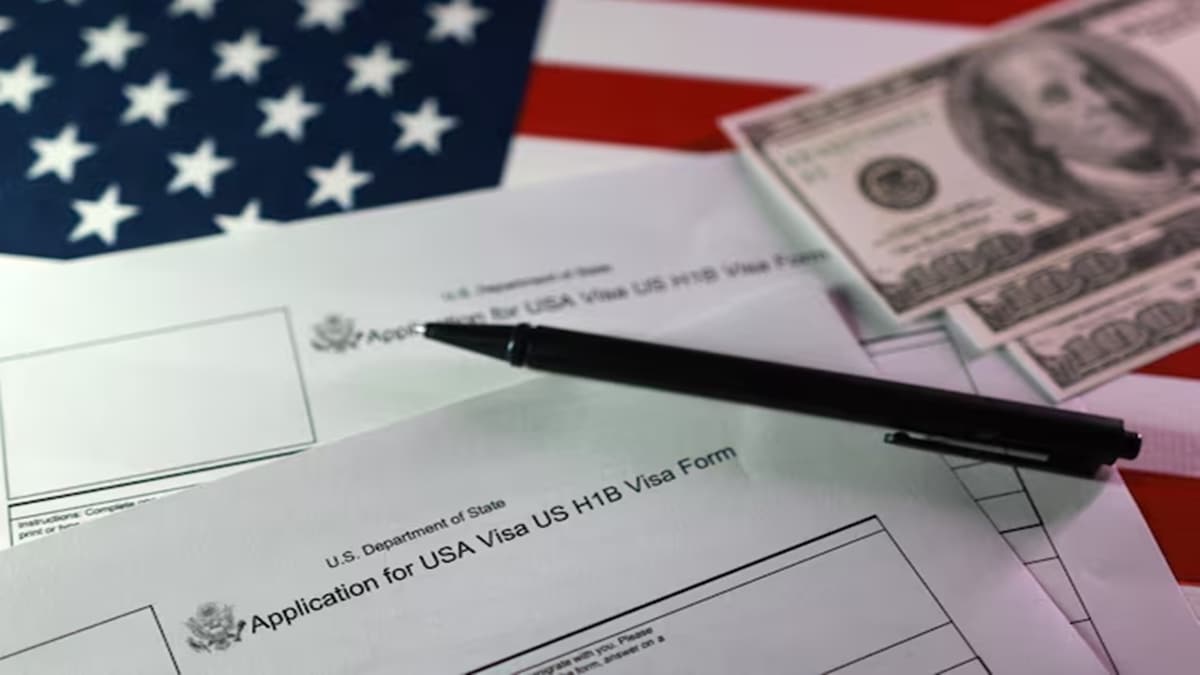
The initial registration period for the fiscal year 2027 H-1B cap, which was open from March 4 to March 19, 2026, has now closed. During this period, prospective petitioners and representatives used the USCIS online account to register each beneficiary electronically for the selection process and paid the $215 registration fee for the H-1 B category.
What Next
The first thing that happens after the initial registration period closes is Selections. Therefore, USCIS will now conduct the H-1B selection process to select unique beneficiaries based on properly submitted electronic registrations.
After the unique beneficiaries are selected, each registrant who registered for that beneficiary receives a registration selection notice and may file an H-1B cap-subject petition on their behalf. Employers can only file an H-1B cap-subject petition if they receive a selection notice for the beneficiary of the petition.
Employers may file an H-1B petition no more than 6 months before the employment start date requested for the beneficiary. On April 1, USCIS will begin accepting online filing for H-1B cap petitions and associated Forms I-907 for petitioners whose registrations have been selected.
“As the H-1B registration period has ended, employers are now entering the most consequential phase of the process: petition filing. For those selected, the window between April 1 and June 30 will determine whether a case is approved, delayed through Requests for Evidence (RFEs), or denied outright,” says Steven A. Brown, Partner at Reddy Neumann Brown PC.
What’s New
Starting in fiscal year (FY) 2027, USCIS has implemented a weighted selection process that favors the allocation of H-1B visas to higher-skilled and higher-paid foreign workers.
USCIS will have to use the wage-based selection process in case it receives more registrations than projected to be needed to meet the numerical allocations.
This will be based on the highest Occupational Employment and Wage Statistics (OEWS) wage level that the beneficiary’s proffered wage equals or exceeds for the relevant Standard Occupational Classification (SOC) code in the areas of intended employment.
Registrations for unique beneficiaries are assigned to the relevant OEWS wage level and entered into the selection pool as follows:
- Registrations for unique beneficiaries or petitions assigned wage level IV are entered into the selection pool 4 times,
- Those assigned wage level III are entered into the selection pool 3 times,
- Those assigned wage level II are entered into the selection pool 2 times, and
- Those assigned wage level I are entered into the selection pool 1 time.
Each unique beneficiary will only be counted once toward the numerical allocation projections, regardless of how many registrations were submitted for that beneficiary or how many times the beneficiary is entered in the selection pool.
For the FY 2026 H-1B season, USCIS received 343,981 Eligible Registrations, of which 120,141 were finally selected.
There’s another new H-1B petition fee that has been in place since September 21, 2025. Each employer has to pay a $100,000 petition filing fee for each foreign worker hired by them. Whether these two new H-1 B visa rules will change the landscape for foreign workers in the US remains to be seen.