



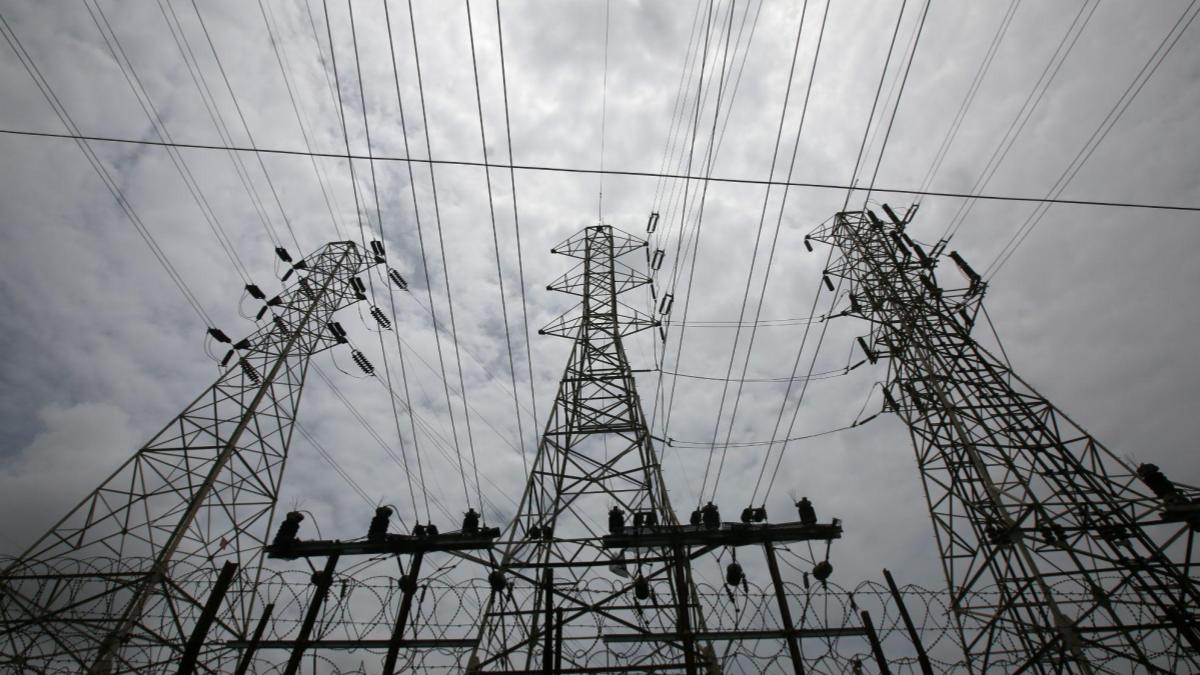
The Centre is considering a framework that would allow multiple electricity suppliers to operate in the same area without building separate distribution networks, a move aimed at giving consumers the freedom to choose their power provider while avoiding duplication of poles, lines and substations.
The proposal was discussed at a meeting of the consultative committee of the ministry of power, chaired by Union power and housing & urban affairs minister Manohar Lal. The framework seeks to introduce competition in electricity supply, improve service quality and ensure more efficient use of existing distribution infrastructure.
“The Electricity Act, 2003 successfully introduced competition in generation, transmission and trading, while distribution remains the only major segment where competition continues to be limited,” the minister told the committee.
Open Access Model
Under the proposed model, incumbent distribution licensees would continue to own, operate and maintain their networks. New licensees would be permitted to use the existing system after paying regulated wheeling charges, while retaining the option to develop their own network wherever allowed by the concerned State Electricity Regulatory Commission.
The present legal framework already allows more than one distribution licensee in the same area, but requires each licensee to establish its own network. The ministry said this leads to duplication of infrastructure, raises capital expenditure, discourages fresh investment and results in inefficient use of resources.
Manohar Lal said consumers would have the freedom to choose their electricity supplier, similar to the choice available in telecommunications and aviation. Increased competition is expected to improve customer service, supply reliability, innovation and operational efficiency, while preventing unnecessary infrastructure expenditure.
The detailed implementation framework would be prepared by State Electricity Regulatory Commissions to ensure fairness, transparency and non-discriminatory access to networks. The proposal would also protect incumbent distribution companies and their employees.
Regulatory Safeguards
All distribution licensees would remain bound by the universal service obligation under the Electricity Act. The regulatory mechanism would prevent suppliers from serving only profitable consumers and ensure that less remunerative categories are not excluded.
The minister said the model was not new to India, citing Mumbai, where consumers have exercised supplier choice for several years while distribution networks have continued to be developed in a coordinated manner under regulatory supervision.
The reform is being considered as India works towards the Viksit Bharat 2047 objective, under which consumers are expected to demand reliable, affordable and high-quality electricity comparable with global standards.