



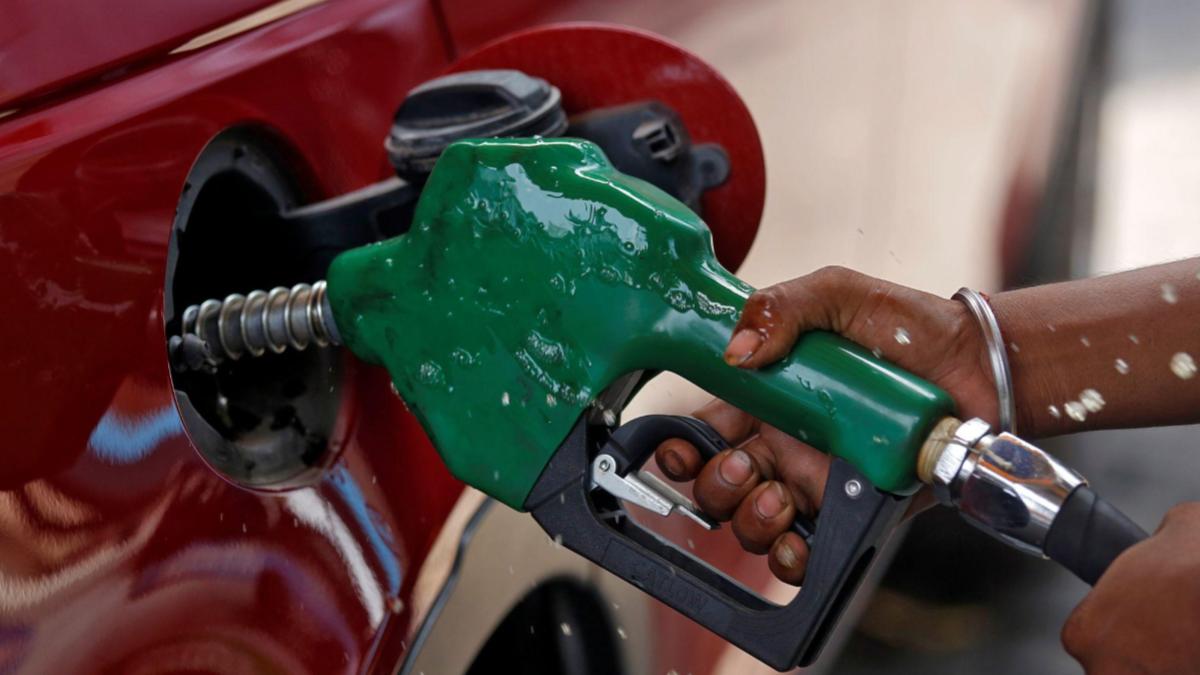
Fuel station operators in Delhi and other major cities are worried that the government’s push towards higher ethanol-blended fuels could create fresh infrastructure challenges at urban petrol pumps, where space is already at a premium.
The concerns come as oil marketing companies (OMCs) begin developing infrastructure for E85 fuel at select retail outlets as part of the country’s broader biofuel roadmap. Dealers fear that the eventual introduction of E100 fuel on a larger scale could further strain fuel stations by requiring additional storage and dispensing facilities.
Industry stakeholders point to the government’s plan to establish around 5,000 ethanol dispensing stations by 2027, many of them expected to be located in large urban centres such as Delhi, Mumbai and Bengaluru. They argue that fuel stations in these cities have already undergone multiple rounds of expansion to accommodate changing fuel norms and alternative energy infrastructure.
The challenge is even greater for outlets that already offer compressed natural gas (CNG) and electric vehicle charging facilities.
“Most urban fuel stations are operating on extremely tight footprints,” said a Delhi-based petrol pump operator. “These stations were originally designed only for petrol and diesel. Over the years, CNG infrastructure was added, followed by pressure to install EV charging stations. Now E85 is being introduced and eventually E100 may also come. Every addition consumes valuable space and increases operational complexity. This could lead to longer queues, operational challenges and potential safety risks,” he said.
Higher ethanol blends typically require dedicated storage tanks, pipelines, hoses and dispensing units to prevent fuel contamination. Dealers say the cumulative requirement for multiple fuel grades could become increasingly difficult to manage, particularly at older retail outlets located in densely populated neighbourhoods.
“It seems there is a perception that fuel stations have unlimited underground space, but that is far from reality. Many of these outlets were designed decades ago. Adding more infrastructure will only make operations more complex,” another Delhi-based dealer said.
Apart from infrastructure concerns, dealers questioned the commercial viability of allocating prime forecourt space to fuels for which demand remains negligible.
“There is virtually no consumer demand for E85 today. Yet operators are being asked to dedicate infrastructure and valuable space for it. Initial sales of flex-fuel vehicles are expected to be limited, largely in the two-wheeler segment. Until vehicle volumes reach meaningful scale, much of this infrastructure could remain underutilised,” said a dealer.
At present, Hero MotoCorp has launched flex-fuel variants of the Splendor Plus and HF Deluxe motorcycles, which are expected to be available from July. Meanwhile, Maruti Suzuki has showcased a flex-fuel version of the WagonR, but has not yet announced a commercial launch timeline.
Sector experts also caution against drawing direct comparisons between India’s ethanol transition and Brazil’s experience, which is often cited as a successful flex-fuel model.
“The Indian and Brazilian markets are fundamentally different,” said a sector expert. The domestic automotive market is significantly larger and more diverse. Vehicle sales in India stood at about 28.27 million units in FY25, compared with roughly 5.13 million units sold in Brazil during calendar year 2025. The scale and complexity of India’s fuel retail network make implementation challenges considerably greater.
While dealers support the government’s objective of reducing dependence on fossil fuels and promoting domestic biofuel production, they emphasise the need for better policy planning. They argue that the government should encourage OEMs to introduce a wider range of E85- and E100-compatible vehicle models. As the adoption of these vehicles increases and sales of conventional petrol vehicles gradually decline, fuel retailers could repurpose some existing petrol-fueling infrastructure for higher-blend ethanol fuels, reducing the need for significant new investments.