



Omnichannel jewellery retailer BlueStone on Monday reported a 48.8% year-on-year increase in Q1FY27 revenue to Rs 733 crore, in a quarter that captured only the first seven weeks of demand following the hike in gold import duty from 6% to 15%. A sustained rise in gold prices has also pushed its entry-level range beyond the reach of customers it was designed for.
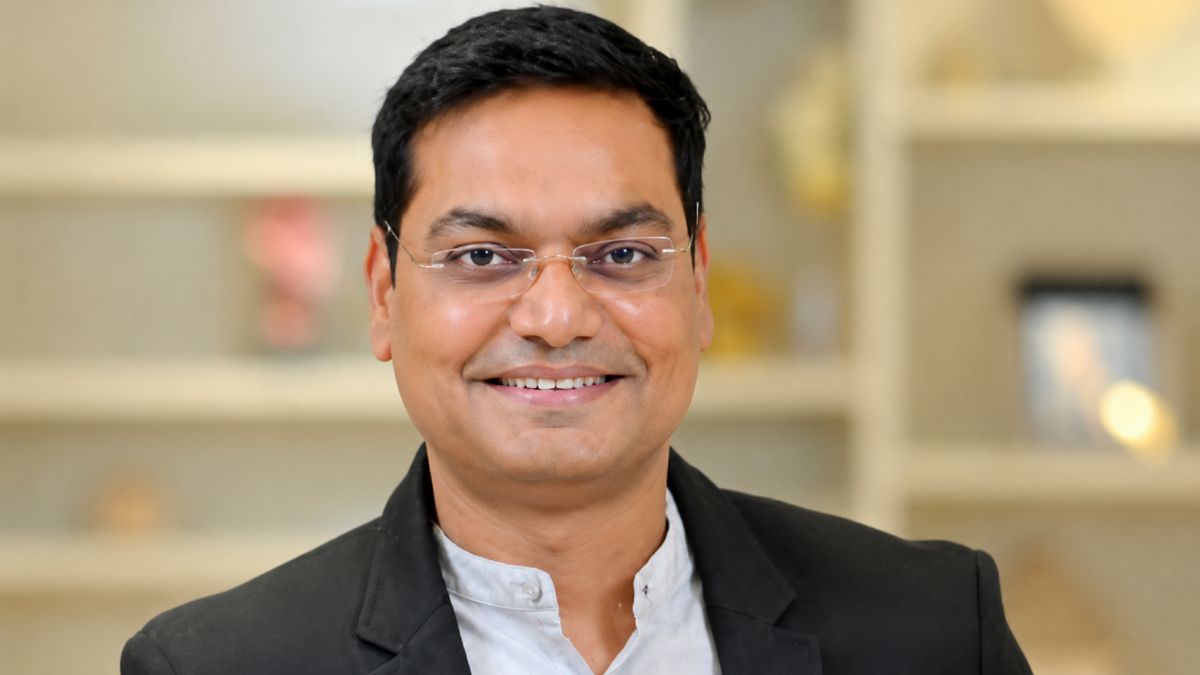
The company has responded by redesigning entry-level products with thinner constructions, modified alloy compositions and lower karatage to retain their look while using less gold. BlueStone Founder and Chief Executive Officer Gaurav Singh Kushwaha spoke to Anees Hussain about demand, the redesign, the duty hikes and the company’s road to Rs 12,000 crore revenue. Excerpts:
How has demand held up since the gold import duty hike in May?
We focus on the medium and long term, not short-term patchiness. Despite gold prices rising sharply over the last 18-20 months, consumers’ confidence in the category has only grown. But because prices are now top of mind, any movement creates temporary softness. Gold rose 10% in a day, so demand softened. Over six months, however, people still buy–they simply shift purchases. We are seeing resilience across both studded and non-studded jewellery.
You’ve spoken about redesigning jewellery to use less gold per piece. How does it work?
When gold prices rise gradually, customer expectations adjust. But when rings priced at Rs 20,000-30,000 suddenly cost Rs 40,000-50,000, buyers don’t reset overnight.
We redesigned entry-level products using new techniques that preserve the look while using less gold. We can alter thickness, tensile strength and alloy concentration. We have also introduced 14-carat jewellery at lower price points. Using multiple techniques, we can create a similar look with 20-30% lesser gold.
Will you keep redesigning if gold stays around current levels?
About 90% of our designs were created when gold was below Rs 60,000. Even at Rs 1.5 lakh, there is still more redesigning to do. I hope prices remains range-bound because if gold price doubles again, we’ll have to repeat the exercise.
Have you gone below 14 carat?
We have not introduced 9-carat jewellery yet, though we might. We will test it and see if it works. I am open minded.
New customer additions are down year-on-year, while advertising spend has risen. Why?
Advertising builds the brand over the long term. Marketing spend accounted for about 9.2% of revenue in FY22, 6.6% last year and will fall further this year. Over the next four years, we expect it to decline to around 4.6% of revenue, even as absolute spending more than triples.
Higher gold prices pushed products priced below Rs 50,000 into higher price bands, affecting customer acquisition. We have been fixing that since Q3 (of FY26), and sequentially, new customer additions are improving.
Average order value rose about 41%, but order volume grew less than 6%. Will this recover?
When gold prices rise 50-70%, average selling price drives growth. In a stable price environment, volume growth is stronger. Customers typically join us at 28-32 and spend more as they grow older. Repeat customers also spend more than new ones, accounting for 59.7% of revenue in Q1FY27, up from 50.7% a year ago. Repeat business is doing phenomenally well; new customer acquisition need more work.
Studded jewellery’s share improved sequentially. Is this a sign of recovery?
We don’t read too much into it. The numbers remain broadly in the same ballpark, so I wouldn’t call it a trend.
Have lab-grown diamonds dented demand for natural diamonds?
We have never seen that. Lab-grown diamonds generated investor interest, but we haven’t seen any meaningful change in customer behaviour over the past three to four years. The category primarily targets larger solitaires, which contribute less than 1% of our revenue.
What is your revenue target?
We remain on track to achieve Rs 12,000 crore in revenue by FY30, with 700-800 stores across more than 300 cities, averaging about 2.5 stores per city. We expect over 30% same-store growth, with newer stores performing similarly.
Where does your manufacturing capacity stand?
We have capacity to manufacture jewellery worth Rs10,000-12,000 crore annually. Beyond routine machine additions, the factory needs little capital expenditure until we exceed that level.
You hedge half your gold inventory. Does that change in this environment?
Our hedging policy is driven by cash flow, capital structure and the P&L, not by gold prices. We do not take a view on where gold is headed because that would make hedging an emotional policy.