



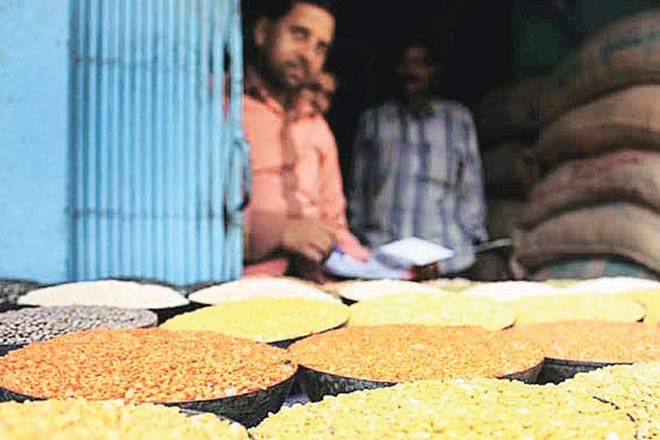
Lentils players across the country have raised concerns over the government’s directives on the compliance of Methyl Bromide (MBR) fumigation for imported pulses.
This move is feared to block a large quantity of pulses import into the country. India’s pulses import for the year 2016-17 was estimated at 50 lakh tonnes, which is marginally higher by 2 lakh tonnes from last year.
Expressing its objection to the directive, the India Pulses and Grains Association (IPGA) has represented to the top authorities including the Prime Minister’s Office (PMO), agriculture ministry and ministry of consumer affairs and demanded an interim extension of the deadline for compliance on the MBR directive.
Besides the extension of the deadline by one year from the current March 31, IPGA, in its recommendations submitted on March 1, stated that since a lot of exporting countries use Aluminum Phosphine as fumigant, all consignments should be tested for quarantine pests.
According to Pradeep Ghorpade, chief executive officer, IPGA, due to the prevailing uncertainty with respect to the Plant Quarantine Department’s decision on rejecting imported agri-commodity that are not fumigated with Methyl Bromide, exporters are holding back consignments as they fear cancellation of orders while the vessel is enroute to India.
“While we are towards the end of this season, the imports for the next season will start arriving by August/September 2017.
However, orders for these will start being placed in April/May 2017. If the decision to reject non-compliant consignments is implemented from April 1, 2017, importers will not place orders,” he said.
There is a strong possibility of imports from countries like Canada, USA, France, Russia, East Africa, coming to a standstill and leading to a shortage of pulses and a rise in prices, he warned.
According to some industry players, pulses such as masoor, chana arrive from countries like Australia, Canada, Ukraine and Africa and they use methods of fumigation other than MBR. This kind of a rigid stand will hurt the country’s exports, traders said.
To take cognisance of the impact of the issue on all stakeholders, IPGA had recently organised a forum, with the aim of creating a platform for the Trade and Agriculture Counsellors of countries exporting agri-commodities to India to directly interact with senior PQ Department officials
and understand the way forward.
Senior officials from the Plant Quarantine (PQ) department led by Ashwani Kumar, joint secretary — Plant protection participated in the meeting. The team also included A K Sinha, Plant Protection Advisor, V K Srivastava, Joint Director – PQ and P S Nain, Joint Director – PQ.
Trade and agricultural counsellors from 20 key exporting countries and members from IPGA and Pulses and Beans Importers Association (PBIA) also participated in the interaction.
Post the forum, IPGA worked on an Approach Paper, which underlined the perspectives from both the government and the trade.
IGPA has requested the government to grant a one-year relaxation and allow the fumigation to be done at the port of arrival without any penalty.
The trade body has recommended that the March 31 deadline should be treated as the Bill of Landing instead of the Vessel Arrival date. This will ensure that that the vessels that have currently stopped loading pulses at various ports across the world, especially Canada, can recommence loading and sail for India.
Since a lot of exporting countries are using Aluminum Phosphine as a fumigant, IGPA has requested that these consignments be tested for quarantine pests as mandated for the product.
If the cargo is found to be free from quarantine pests then the NOC should be given without further Methyl Bromide fumigation, IGPA has said. If the test results show the presence of quarantine pests, then the cargo can be treated with Methyl Bromide at port-of-arrival and NOC issued post fumigation, the trade body has suggested.