



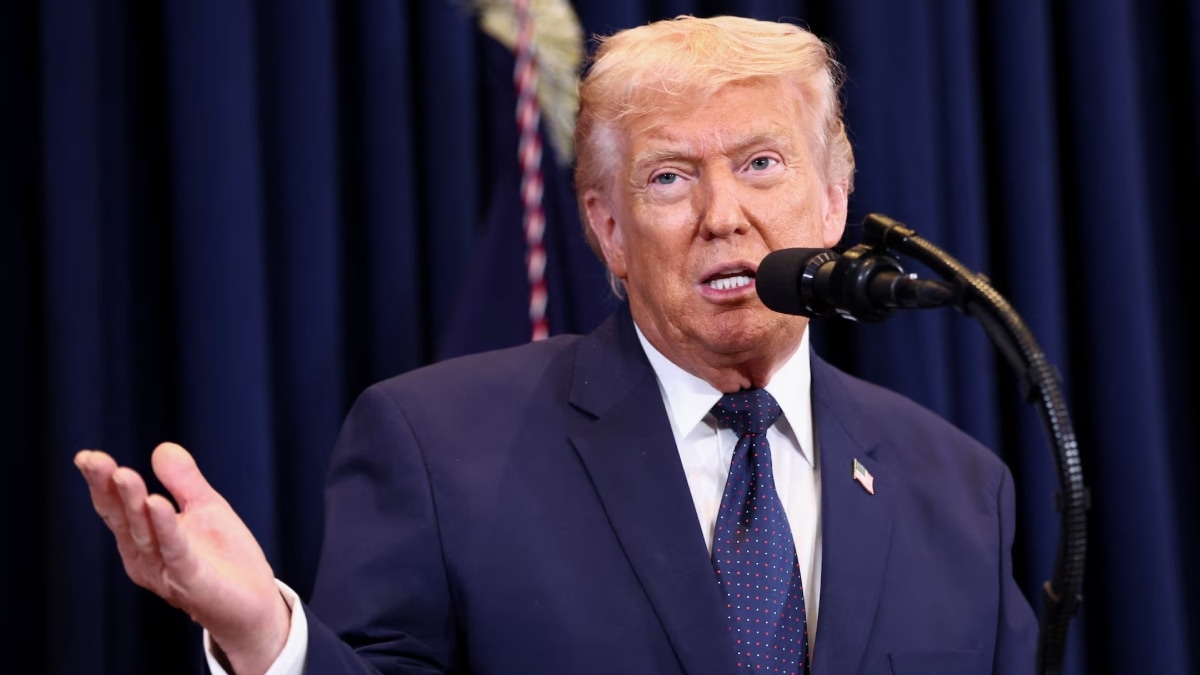
President Donald Trump has granted a 60-day waiver of the Jones Act as oil prices surge during the Iran war and global supply faces disruption. The war has hit key energy infrastructure and slowed movement through the Strait of Hormuz, which is now tightening supplies and pushing up costs.
The White House said the temporary move “will allow vital resources like oil, natural gas, fertilizer, and coal to flow freely to U.S. ports for sixty days,” press secretary Karoline Leavitt said.
By waiving the law, the administration is allowing foreign ships to carry fuel between US ports, increasing the number of available vessels at a time when supply chains are under stress. This is to ease bottlenecks and bring down fuel prices in the short term.
What is the Jones Act?
The Jones Act is a US shipping law passed in 1920 under President Woodrow Wilson. It requires that goods transported between US ports must be carried on ships that are built, owned and operated by Americans.
The law was meant to strengthen the domestic shipping industry after World War I. Over time, it has been criticised as protectionist, with opponents arguing that it limits competition and raises transport costs within the US.
What impact the waiver may have
There are fewer than 100 ships that meet Jones Act requirements, which has limited how much fuel can be moved domestically. The waiver opens up many more international tankers to help move supplies.
But experts say the effect may be limited. Daleep Singh, chief global economist at asset manager PGIM, pointed to a mismatch in the US energy system. “Put plainly: the US can now move fuel around more easily, but it still can’t refine enough of what it produces for self-sufficiency,” Singh told CNBC. That means transport may improve, but supply issues could still keep prices elevated.
Fuel prices have risen sharply in recent weeks, with both petrol and diesel seeing significant increases. The pressure comes from disrupted global flows, attacks on ships, and reduced traffic through key routes. US Treasury Secretary Scott Bessent said the US is allowing some oil shipments to continue despite tensions.
“We think that there will be a natural opening that the Iranians are letting out, and for now we’re fine with that. We want the world to be well supplied,” he said. Alongside the waiver, the US has also eased some sanctions on Venezuela to boost supply, as it tries to stabilise markets during the ongoing crisis.