



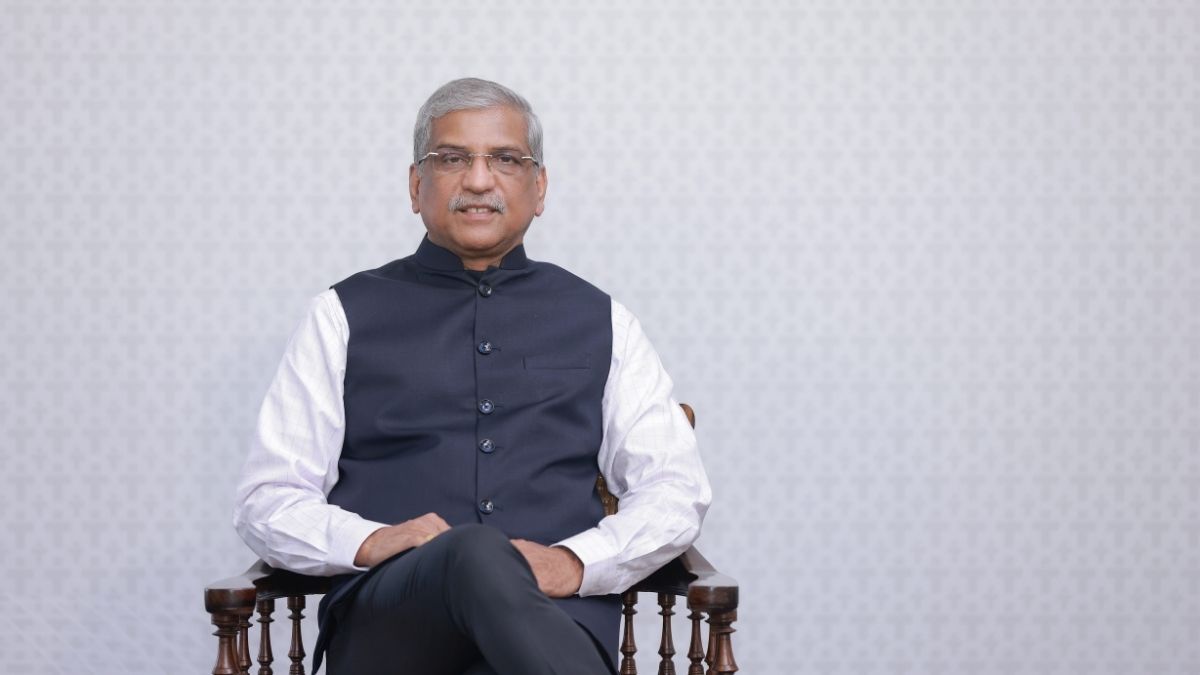
ESAF Small Finance Bank has crossed the ₹50,000-crore business milestone. Managing Director & CEO K. Paul Thomas speaks to Narayanan V about the bank’s asset diversification strategy, fundraising and promoter stake reduction plans, and the roadmap to becoming a universal bank Edited Excerpts:
What contributed to this milestone?
Even before the microfinance problem started, in 2024 itself we started our asset diversification plan. A key milestone in the bank’s transformation journey has been the successful execution of our MARG strategy—MSME, Agri, Retail and Gold loans. It is a deliberate and well-calibrated shift from unsecured lending towards a more secured, resilient and sustainable portfolio.
The gold loan book has crossed ₹10,000 crore. Our microloan book has not faced any further slippages after December 2025. On the liability side, we have ₹26,000 crore of deposits, of which over 90% are retail deposits. It took nine years for us to build the franchise and reach ₹50,000 crore, but all I can say is the next ₹50,000 crore will come in less than nine years.
You had plans to reduce unsecured MFI loans to 30–35%…
There is a misunderstanding between microbanking and microfinance loans. Microbanking also serves the low- and middle-income segments. But these borrowers provide collateral or, where that is not available, there are government-backed guarantee funds. The Government of India has created around 17 credit guarantee trusts under the National Credit Guarantee Corporation.
For instance, we are giving loans to Farmer Producer Organisations (FPOs) using NABARD’s NABSanrakshan Credit Guarantee Scheme. We still stick to the target of a 30% unsecured book including micro loans, credit cards and other unsecured products. MARG accounts for over 60% of our assets. Around 70% of our branches are in rural and semi-urban areas, and we will continue to grow our business there.
Are you seeing NRI deposit inflows through the FCNR(B) route?
We have launched our FCNR(B) special product with an interest rate of 7.13%. We already have an NRI customer base, so this new product will help us grow our liability book. We have not set any specific target yet, but we are working on it. Similarly, we are focussing aggressively on mobilising liabilities from the micro customer segment and the low-income segment. We have developed special recurring deposit products for them. We launched the Dabba Saving initiative in Tamil Nadu. Similarly, we are now focusing on helping low-income customers save money because they also need savings products.
What are your fundraising plans?
Our capital adequacy ratio is 22%, so there is no hurry to raise capital. However, we have to bring down the promoter holding to 26% by 2031. We will therefore require capital. Once market conditions improve, we will start the fundraising process.
What is the plan for becoming a universal bank?
We have to anyway wait for two years because we were in losses for the last two years. We have to be profitable for two consecutive years, as continuous profitability is one of the criteria. Our gross NPA as of March is 5.4%. We have to bring it down to below 3%, and the net NPA to below 1%. We also need some more asset diversification, which is already happening as part of our journey. We are not in a hurry. Even without becoming a universal bank, we can do almost everything. We have a Category-I licence. We can offer FCNR(B) deposits and most of the services that a universal bank provides. It is largely a matter of perception.