



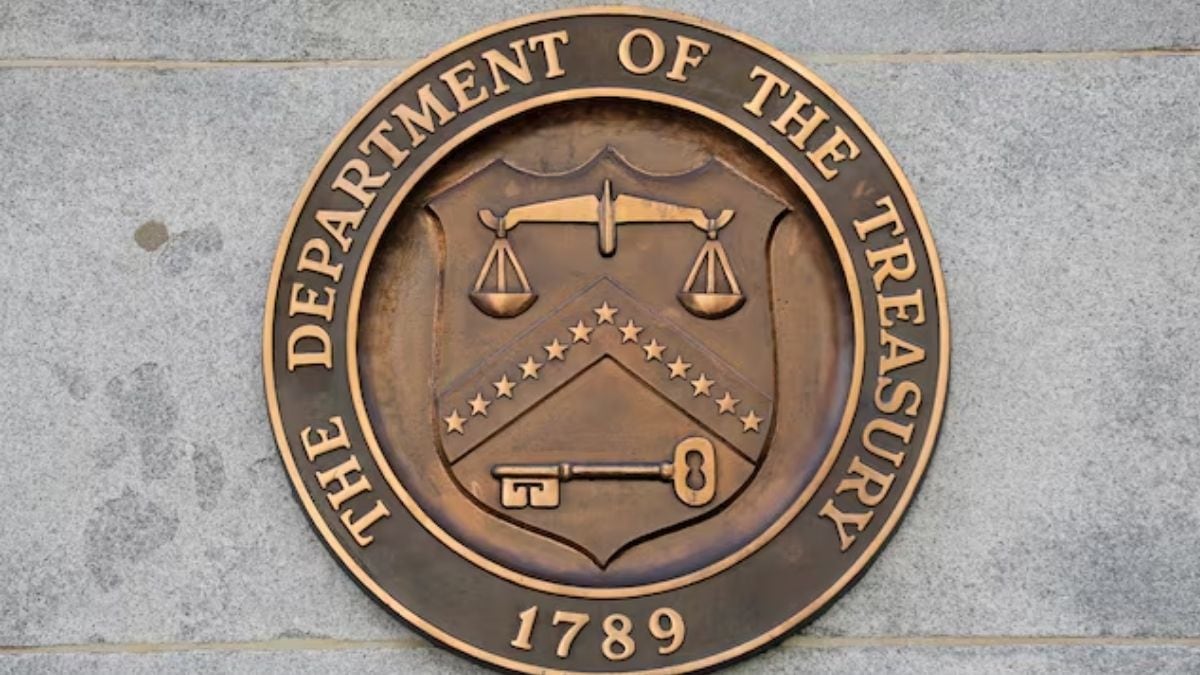
The US Treasury Department has removed 76 names and entities from its sanctions blacklist in a move aimed at making its sanctions system more effective and easier for businesses to manage, reported Reuters citing an official statement by the department. Over half of the removals involved people who had already died. The Treasury also deleted the names of inactive vessels and companies that no longer operate.
The action affects the Specially Designated Nationals (SDN) list. The blacklist blocks Americans and US-linked businesses from dealing with sanctioned individuals, companies, and organisations.
Treasury officials said many businesses had complained about the growing burden of screening thousands of sanctions targets, including people and entities that no longer posed risks, reported Reuters.
According to the report, the department removed 39 deceased individuals, 14 vessels that no longer operate, and 13 defunct companies from the list.
“Treasury is exploring ways to relieve that burden while helping to prioritize more impactful activities to implement sanctions, including scrutinizing for sanctions evasion,” the department said in a release.
The move comes as the US sanctions system expands rapidly across the world. Washington has increased restrictions on countries such as Russia, Iran, Syria, and Venezuela over the past several years. Treasury data showed annual new sanctions listings rose from about 880 in 2017 to more than 3,000 in 2024, reported Reuters.
Why is US removing names from its sanctions blacklist?
Treasury officials said the cleanup would allow enforcement agencies and financial institutions to focus more on active threats instead of outdated entries, as per Reuters report.
Banks, shipping companies, insurers, and multinational corporations spend large amounts of money checking sanctions databases before processing transactions or signing deals. Many companies say that screen dead individuals or non-operating firms wasted time and resources.
Officials also said some sanctions targets, including financial networks and shell companies, had already disappeared years ago.
The Treasury has launched a broader review of its sanctions programs to improve efficiency and reduce compliance pressure on businesses and financial institutions. Reuters earlier reported that the review would focus on outdated and difficult-to-screen targets on the SDN list.
The SDN list contains more than 17,000 names linked to sanctions programs run by the Office of Foreign Assets Control (OFAC), reported Reuters. The list targets individuals, companies, vessels, criminal groups, and government-linked networks accused of activities ranging from terrorism financing to sanctions evasion and money laundering.
A senior Treasury official said, “Sanctions are not intended to be eternal.” According to Reuters, the official added, “For example, we have scaled back our sanctions on Syria and Venezuela to better match our foreign policy and national security interests.”