



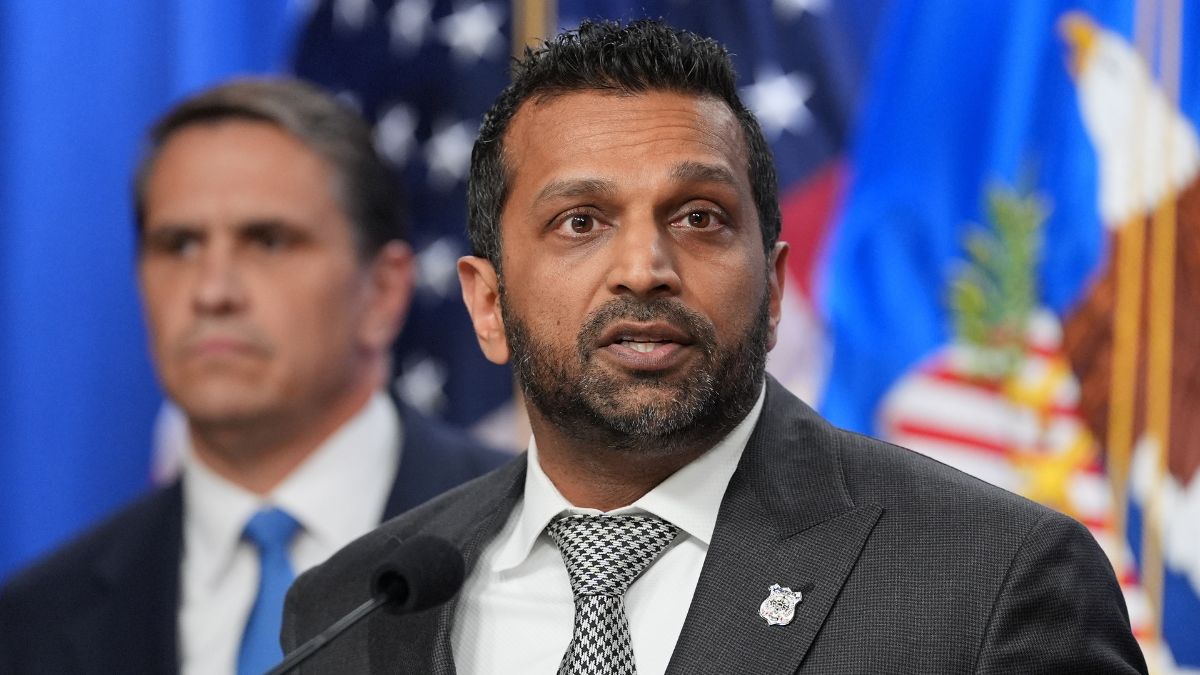
The New York Times has alleged that the FBI examined whether one of its reporters, Elizabeth Williamson, violated stalking laws after she published a story nearly two months ago about federal agents being assigned to protect and chauffeur FBI Director Kash Patel’s girlfriend.
The matter became public on Wednesday after The New York Times published a report saying the FBI checked federal databases for information on Williamson and recommended taking the issue further. According to the newspaper, the Justice Department stopped it from moving ahead.
The publication said it only learned about the matter after reporter Michael S. Schmidt received a tip.
FBI says ‘no further action was taken’
The FBI confirmed that agents spoke with Patel’s girlfriend, country singer Alexis Wilkins, after she raised concerns about a death threat she received following the publication of Williamson’s article. But the bureau said nothing more came of it.
FBI spokesman Ben Williamson said in a statement posted on social media that investigators “were concerned about how the aggressive reporting techniques crossed lines of stalking, no further action regarding Williamson or the reporting was ever pursued by the FBI.” Later, an FBI spokesman also denied that Williamson had ever been formally investigated. He said agents only asked questions while looking into a death threat Wilkins had received after the article came out.
“Wilkins was interviewed by FBI agents in relation to a death threat in Boston, which specifically referenced an article published by Williamson the previous day,” the spokesman said.
He added: “While investigators were concerned about how the aggressive reporting techniques crossed lines of stalking, no further action regarding Williamson or the reporting was ever pursued by the FBI.” The spokesman, however, did not answer questions on whether Patel knew about the inquiry or approved the use of government resources to examine a reporter’s work.
New York Times calls the move ‘unconstitutional’
The newspaper strongly criticised the reported actions. “The FBI’s attempt to criminalise routine reporting is a blatant violation of Elizabeth’s First Amendment rights and another attempt by this administration to prevent journalists from scrutinising its actions,” said Joseph Kahn, executive editor of The New York Times. “It’s alarming. It’s unconstitutional. And it’s wrong.”
Why the article caused controversy
The New York Times article was published on February 28. It said Wilkins had a full-time protective detail made up of SWAT team members from FBI field offices across the country. According to the report, those agents accompanied her to different engagements, including singing appearances and even a hair appointment.
The report raised questions over whether Patel was using taxpayer-funded resources for personal matters. It came shortly after he had already drawn attention for celebrating in Milan with the US men’s hockey team after its Olympic gold medal win. At the time, an FBI spokesman defended the protection Wilkins was receiving, saying active death threats against her justified it. He did not challenge the accuracy of Williamson’s reporting.
The New York Times said Williamson briefly interviewed Wilkins while working on the article, but Wilkins said the conversation had to be off the record. The reporter also spoke with people who knew Wilkins or had worked with her, the newspaper said.
On the same day the article was published, Wilkins received a threatening email from an anonymous sender. She forwarded it to the FBI that day, according to a later court filing in the criminal case against the alleged sender, who was based in Boston. The affidavit said the sender admitted sending the threat after reading Williamson’s article.
Patel has also sued another outlet
Meanwhile, Kash Patel, on Monday, filed a $250 million defamation lawsuit against The Atlantic over an article that included claims about excessive drinking and mismanagement at the FBI.