



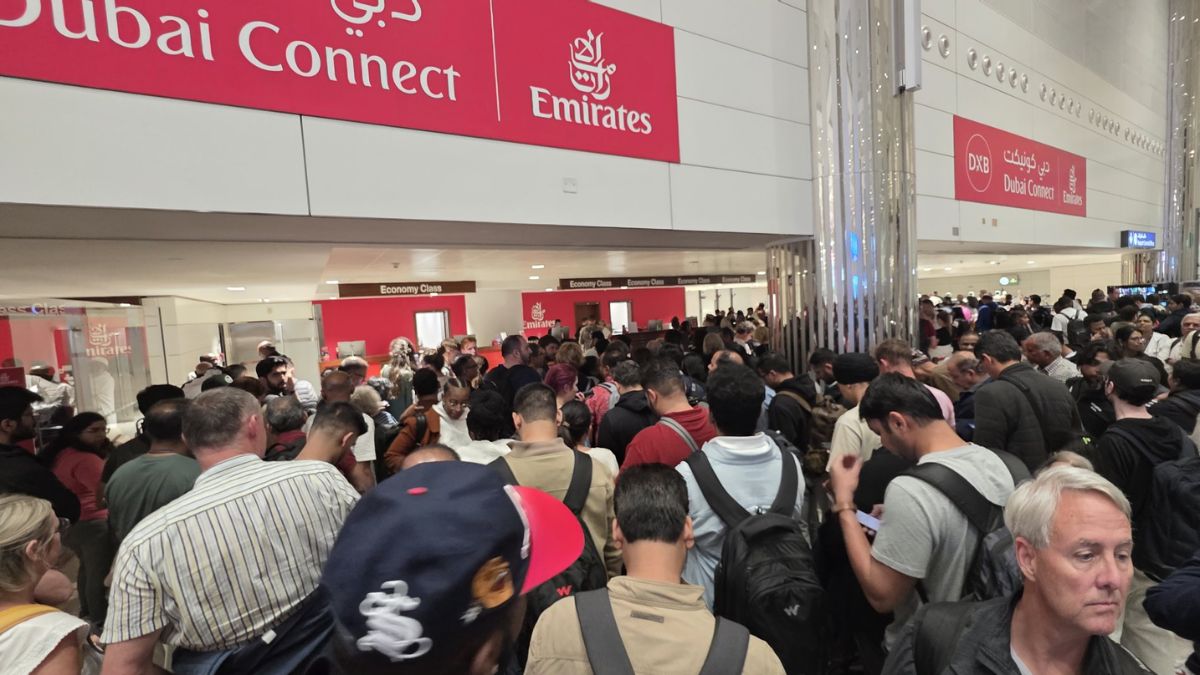
Travel to Europe is about to change in a big way. The European Union’s new Entry/Exit System (EES) will become fully operational from April 10, 2026. The system has been rolled out in phases since October last year across 29 European countries, but now it will be fully in place. Officials say it will modernise border control, though travellers may face some initial difficulties.
Travelling to Europe? What’s changing
One of the biggest changes is that passport stamps will be replaced. Instead of stamping passports, border authorities will now digitally record when travellers enter and leave the country. This will also include cases where people are refused entry.
The system will collect biometric data such as facial images and fingerprints, along with personal details from travel documents. The idea is to make border checks faster, reduce fraud, and identify possible security risks more easily.
Thousands already refused entry
Since the system began rolling out, it has already had an impact. According to the European Commission, more than 24,000 people have been refused entry so far. The reasons include expired documents, fake papers, or failure to clearly explain the purpose of their visit. Officials also said that more than 600 people were identified as potential security risks.
Who the new system applies to
The EES mainly applies to travellers who are not citizens of the EU or Schengen countries and are visiting for short stays.
This includes people travelling for tourism or business for up to 90 days within a 180-day period. Even those who own property in the EU but do not have a residence permit will be covered under this system. Citizens of countries like the UK will also fall under these rules.
Who is exempt from EES
Not everyone will be affected. Countries like Ireland and Cyprus are not part of the system and will continue with manual passport checks. There are also several exemptions. Citizens of the EU and Schengen countries, as well as people holding long-term visas or residence permits, will not need to go through EES.
Family members of EU nationals with valid residence cards are also exempt. So are local border residents with special permits. Airline and train crew on international routes, as well as armed forces personnel and their families travelling for NATO or Partnership for Peace duties, will not be included.
There may also be some exceptions for cruise passengers on certain day trips. Nationals of Andorra, San Marino, Vatican City and Monaco are also exempt.
Do you need a biometric passport?
A biometric passport is not compulsory for the EES. However, it does make things easier. Travellers with biometric passports can use self-service kiosks for faster entry. Those with regular passports will have to go to manual counters, where their photo and fingerprints will be taken. This data will be stored for three years, which should make future travel quicker.
If a traveller refuses to provide biometric data, they will be denied entry. Children under 12 do not need to give fingerprints, but they will still need to have their photograph taken.
Expect delays at airports
Travellers should be ready for longer waiting times, at least in the beginning. Airport and airline groups have warned that queues are already getting longer. In a joint statement, ACI Europe and Airlines for Europe said, “Waiting times are now regularly reaching up to two hours at peak traffic times, with some airports reporting even longer queues.”
One reason for this is that since March 31, all non-EU travellers must go through the EES process. Earlier, border officials could pause the system during busy hours. But from April 10, that flexibility will no longer be allowed.
Because of this, travellers are being advised to reach the airport at least one-and-a-half to two hours earlier than usual. There is some relief, though. Officials believe the situation will improve once the system settles and processes become smoother.
For now, airport and airline groups are asking the European Commission to allow temporary flexibility during the busy summer travel season.