



In a notable development that could potentially rewrite India’s commercial ties with Iran, New Delhi is poised to receive its first Iranian crude oil shipment in nearly seven years, signalling a possible shift in India’s energy import diversification strategy.
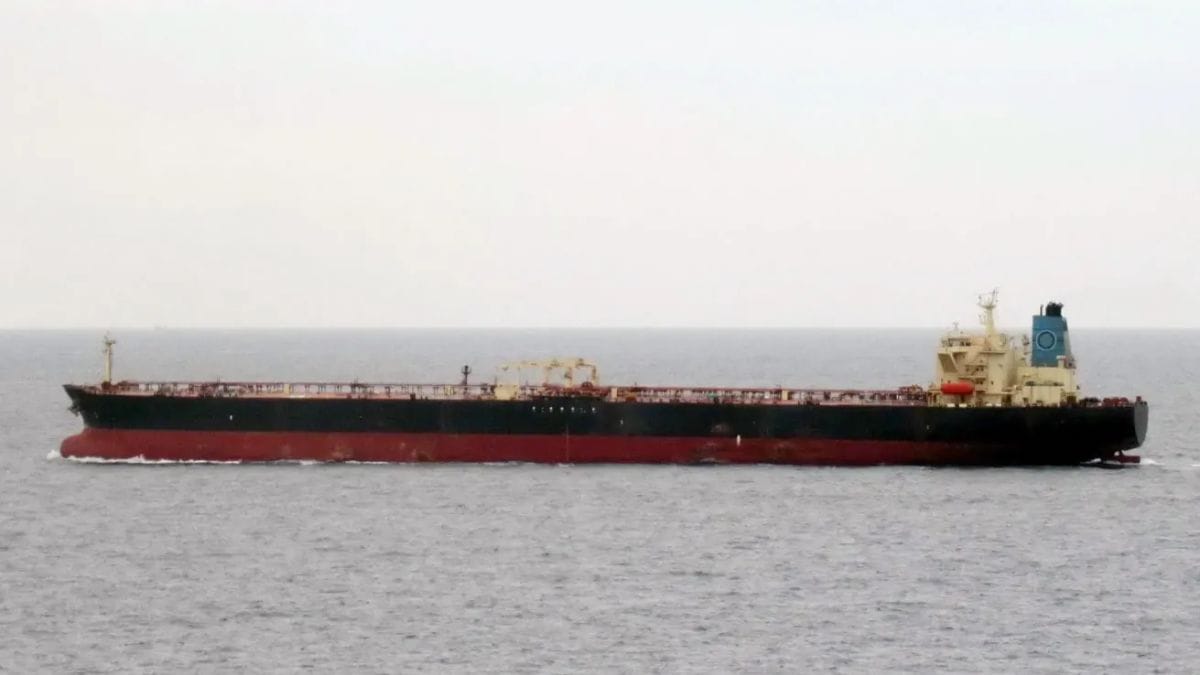
In an unprecedented development, the US-sanctioned Aframax tanker Ping Shun has signalled its destination as the west coast port of Vadinar, India, where it is expected to arrive later this week.
According to ship-tracking data reported by Bloomberg, the tanker was previously indicating a route toward China, a frequent destination for its past journeys, before it switched its signal to India on Wednesday.
If successful, this delivery would mark the first Indian purchase of Iranian barrels since May 2019, when imports were halted following the imposition of stringent US sanctions. The Ping Shun, a 2002-built vessel that was sanctioned by the United States in 2025, reportedly loaded its cargo from Iran’s Kharg Island in early March.
The vessel is managed by China-based Nycity Shipmanagement Co. Ltd., with ownership attributed to Blue Venice Shipping Inc.
Backdrop of the development
This geopolitical development comes at a time when India is grappling with rising international oil prices, caused by the effective closure of the Strait of Hormuz due to the ongoing US-Israeli conflict with Iran.
While netizens speculate about how the United States will react to this development, it becomes imperative to note that this signal switch by Ping Shun was somewhat directed by American efforts.
Seeking to provide some market relief, the US recently issued temporary waivers for Iranian crude already loaded onto tankers. A tactical move which in some way set the foundation for such a signal switch to take place.
Unclear pathway to commerce
Despite the US waivers, the path to the refinery remains unclear. Bloomberg notes that financial intermediaries remain extremely cautious. Many Asian banks are still refusing to facilitate US dollar payments for Iranian crude, fearing that even with a waiver, they could be penalised for dealing with sanctioned entities.
The Vadinar port serves major industry players, including state-run Indian Oil Corp. and Bharat Petroleum Corp. (BPCL), as well as the Rosneft-backed Nayara Energy Ltd. Ping Shun’s explicit signalling of this port suggests that buyers may be nearing a resolution for the persistent regulatory and financial obstacles.
Nevertheless, challenges remain, as intermediaries often refuse to facilitate transactions involving sanctioned Iranian entities because they involve US dollar payments.