



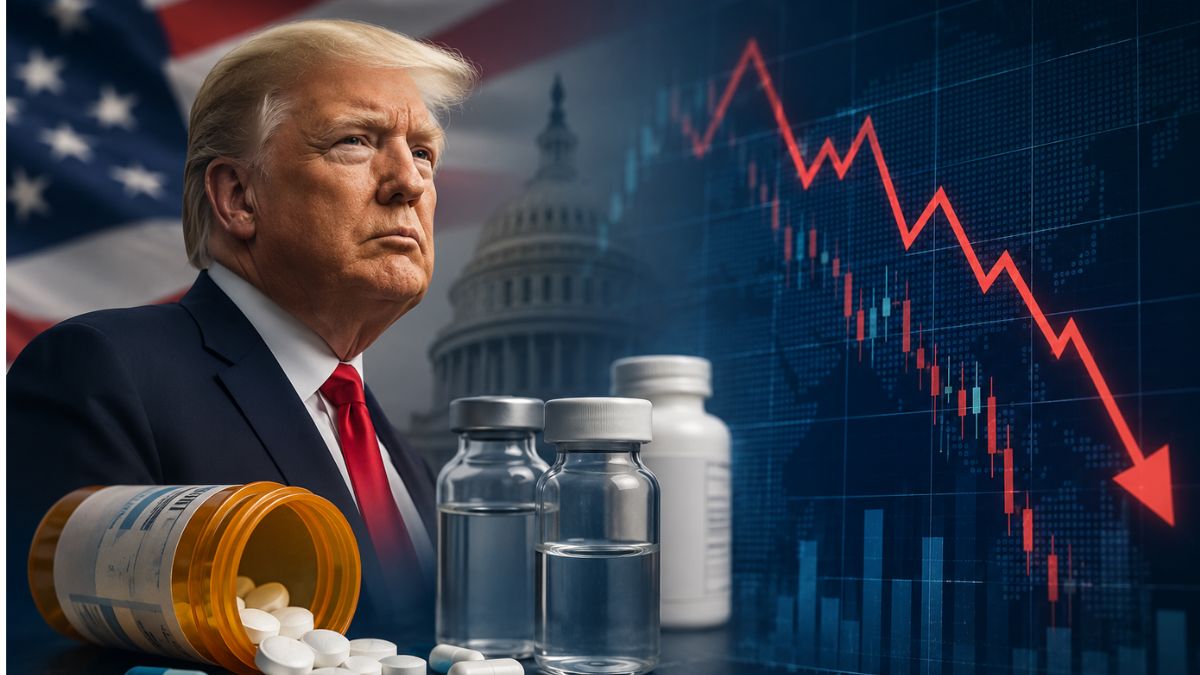
US President, Donald Trump’s proposal to impose tariffs of up to 200% on imported generic medicines has revived concerns over the earnings outlook for Indian pharmaceutical companies with large US businesses. While the announcement has put the sector under the spotlight, Macquarie believes the impact, if the proposal is eventually implemented, will vary significantly across companies.
The brokerage identified Aurobindo Pharma as the company with the highest exposure to the US generics market, making it the most vulnerable among the stocks under its coverage, while Torrent Pharmaceuticals has the least exposure. Sun Pharmaceutical, with its mix of generic and branded products in the US, occupies a different position.
Even so, Macquarie argued that the proposal remains impractical because relocating pharmaceutical manufacturing to the US would take years and could worsen medicine shortages instead of strengthening domestic production.
Macquarie on Aurobindo Pharma: Highest US exposure
Among the companies covered by Macquarie, Aurobindo Pharma stands out as the most exposed if the proposed tariffs eventually become reality.
The brokerage said Indian pharmaceutical companies account for more than 45% of generic medicine volumes sold in the US. Within its coverage universe, Aurobindo derives the largest share of revenue from the US market, giving it the highest direct exposure to any disruption in generic drug imports.
Macquarie, however, stopped short of arguing that the proposal would materially alter Aurobindo’s long-term business. Instead, it maintained that higher tariffs could make already low-margin US generic businesses even less profitable, forcing some manufacturers to reduce supplies or exit the market altogether.
Macquarie maintained its ‘Underperform’ rating on Aurobindo Pharma with a target price of Rs 1,300. Based on the reference price of Rs 1,580 in the report, the target implies a downside of about 18%.
Macquarie on Torrent Pharmaceuticals: Lowest US exposure
Macquarie identified Torrent Pharmaceuticals as the least exposed company in its coverage universe to the proposed tariff regime.
The brokerage said Torrent has the lowest revenue exposure to the US among the companies it covers. While the company also sells generic medicines in the US, its comparatively lower dependence on the market reduces the direct earnings risk from any future tariff implementation.
The report does not quantify the potential earnings impact on Torrent or suggest that the company would directly benefit from tariffs. Instead, Macquarie’s assessment is based on the company’s relatively limited exposure to the US generics market compared with peers.
Macquarie retained its ‘Outperform’ rating on Torrent Pharmaceuticals with a target price of Rs 5,000. Against the reference price of Rs 5,039, the target indicates an implied downside of about 1%.
Macquarie on Sun Pharma: Branded portfolio
Macquarie said Sun Pharmaceutical occupies a different position within the sector because its US business extends beyond generic medicines.
The brokerage noted that Sun also markets branded products such as Ilumya, Cequa and Winlevi in the US. While generic medicines remain part of its portfolio, the presence of specialty brands gives Sun a business mix that differs from companies relying predominantly on generic exports.
Macquarie did not categorise Sun as either the biggest beneficiary or the biggest loser from the tariff proposal. Nor did it provide a separate earnings sensitivity analysis for the company. The brokerage simply highlighted its diversified US portfolio while maintaining its existing investment view.
Macquarie maintained its ‘Outperform’ rating on Sun Pharmaceutical with a target price of Rs 2,150. Compared with the report’s reference price of Rs 1,962, the target implies an upside of about 10%.
Macquarie on Trump’s tariff proposal: Why implementation will be difficult
Macquarie believes the proposal faces practical challenges that make a rapid overhaul of pharmaceutical supply chains unlikely.
The brokerage said many Indian generic manufacturers have already indicated that their US operations generate limited profitability. Additional tariffs could push several companies out of the market, worsening shortages of generic medicines across the US healthcare system.
It also argued that relocating pharmaceutical manufacturing cannot happen quickly. Establishing manufacturing facilities typically requires around one to two years, while securing approvals from the US Food and Drug Administration takes about one year, making immediate production shifts impossible.
Macquarie pointed to the six-year grandfathering period under the US Biosecure Act as evidence that policymakers themselves recognise the time required to rebuild pharmaceutical supply chains.
Conclusion
Macquarie believes the market reaction to the proposed US tariffs should be viewed through the lens of company-specific exposure rather than broad sector concerns. The brokerage identified Aurobindo Pharma as the most exposed because of its dependence on the US generics market, while Torrent Pharma has the least direct exposure among the stocks under its coverage. Sun Pharma remains differentiated because of its branded drug portfolio.
Despite those differences, Macquarie’s central argument remains unchanged – relocating pharmaceutical manufacturing is a lengthy, highly regulated process, making the proposed tariff regime difficult to implement.
Disclaimer: The brokerage target prices, stock ratings, and financial analyses cited in this report are for informational purposes only and do not constitute an offer, solicitation, or personal investment advice. Equity market investments are subject to market risks, and past performance or analyst projections are not indicative of future returns. Readers are strongly advised to perform their own due diligence and consult a SEBI-registered financial advisor before making any investment decisions.
This disclaimer has been generated using AI to support user well-being and responsible content consumption.