



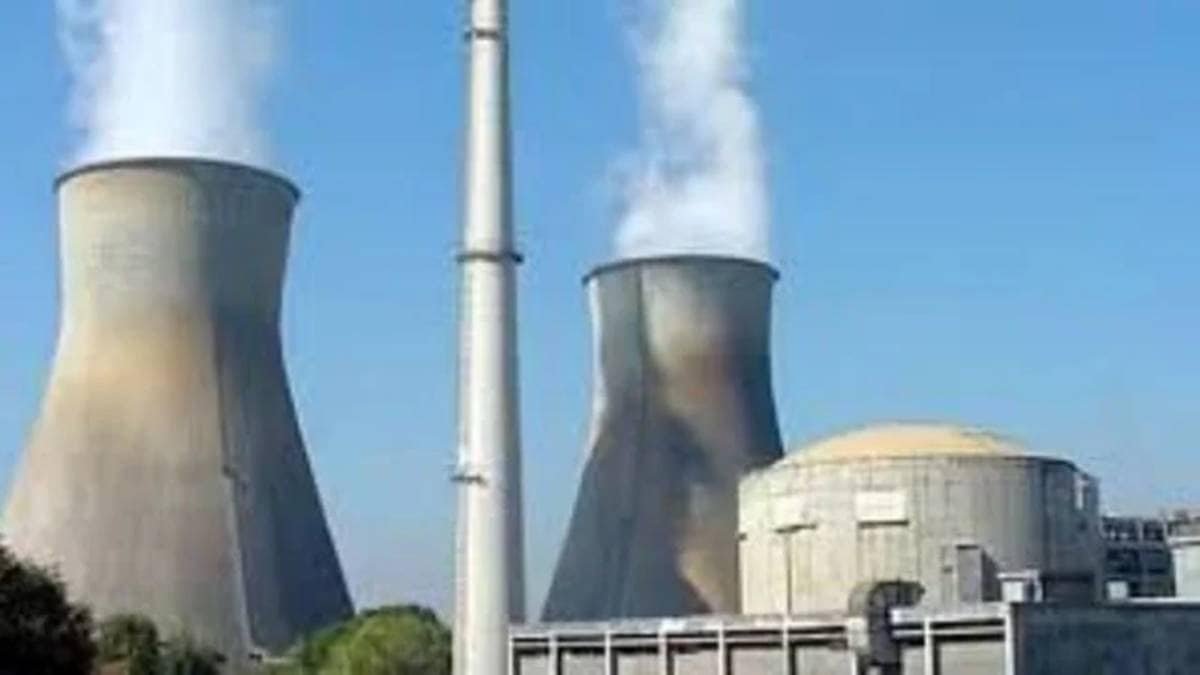
On a humid evening last Monday, deep inside a maze of concrete, steel, and sodium-filled pipes at Kalpakkam, a quiet but decisive moment unfolded. At precisely 8:25 pm, the Prototype Fast Breeder Reactor (PFBR) achieved “criticality”—the point at which a nuclear reactor becomes self-sustaining, vindicating decades of scientific persistence. What has happened at Kalpakkam is not just the commissioning of another reactor; it is India entering a far more exclusive and strategic phase of nuclear capability. The PFBR embodies an ambition to move beyond conventional uranium-fuelled reactors and unlock the country’s vast thorium reserves. Its progress, however, has been anything but linear.
The PFBR is designed to use plutonium-based mixed oxide fuel and breed more fissile material than it consumes. In theory, this closes the nuclear fuel cycle, reduces dependence on imported uranium, and creates a pathway to long-term energy security. In practice, the reactor’s gestation, marked by cost overruns, technological hurdles, and repeated timeline slippages, raises hard questions about execution. To be fair, fast breeder reactors are complex, even by nuclear standards. Only a handful of countries have pursued them at scale, and fewer still have managed sustained commercial success. India’s effort, therefore, sits at the frontier of indigenous nuclear engineering. The recent milestone validates the scientific and technical capabilities painstakingly built over decades. It also signals that India is unwilling to abandon a strategic programme despite global scepticism.
Science of Survival
Yet, the policy context has shifted since the PFBR was first envisaged. Renewable energy has surged, battery storage is advancing, and the economics of nuclear power—especially capital-intensive, first-of-a-kind projects—are under scrutiny. Against this backdrop, the PFBR must justify itself not merely as a technological achievement but as a viable component of India’s future energy mix. That viability hinges on three factors. First, cost discipline. Nuclear projects in India have a history of overruns that strain public finances and erode confidence. If the PFBR is to serve as a template for future breeder reactors, its transition from criticality to commercial operation must be tightly managed, with clear timelines and transparent reporting. Second, safety and regulation. Fast reactors use liquid sodium as a coolant, which introduces specific risks, including chemical reactivity.
India’s nuclear establishment has maintained a strong safety record, but public trust cannot be taken for granted. The Atomic Energy Regulatory Board must ensure rigorous oversight, independent audits, and proactive disclosure, particularly as the programme scales up. Third, integration with the broader energy strategy. The promise of breeder technology lies in its ability to extend fuel resources and eventually enable the thorium cycle. But this is a long game.
Economic Accountability
In the near to medium term, India must balance investments across nuclear, renewables, and grid infrastructure. The PFBR should complement more cost-effective, rapidly deployable energy sources. There is also a geopolitical dimension. As countries seek to diversify clean energy portfolios, advanced nuclear technologies could regain attention. India’s progress at Kalpakkam positions it as a potential leader in a niche but strategically significant domain.
However, leadership will depend on replicability. One successful reactor is not enough; a credible pipeline is essential. Ultimately, the PFBR’s criticality is a milestone worth acknowledging, but not celebrating uncritically. It reflects scientific endurance, yet also underscores the gap between ambition and delivery. The next phase—moving from demonstration to dependable operation—will determine whether Kalpakkam becomes the cornerstone of India’s nuclear future or a cautionary tale of technological overreach.