



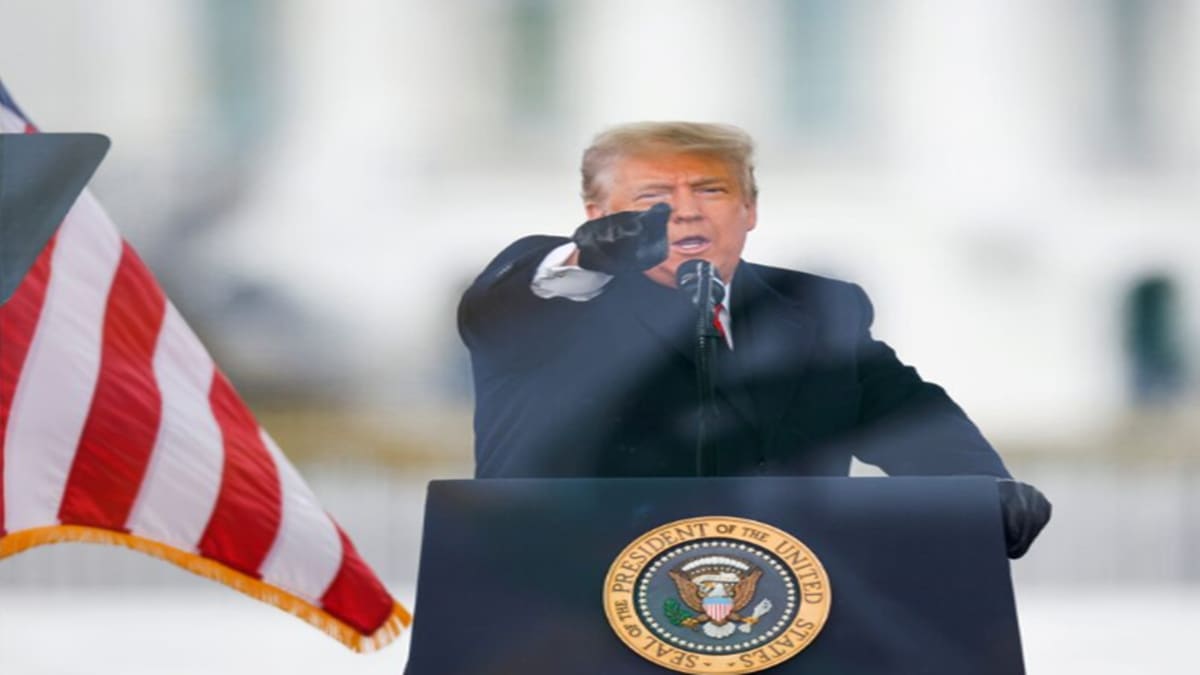
Trump has threatened to target Iranian power stations and bridges if his demands are not satisfied by 8 p.m. Eastern Time, though he noted that ongoing talks with Tehran are progressing well.
Meanwhile, Iran warned that it would intensify attacks on Gulf energy assets in retaliation for possible US strikes on civilian facilities, which might exacerbate the world’s energy crisis.
Against this backdrop, markets are on edge. US stock futures fell on Tuesday as investors braced for Trump’s looming deadline, reversing the gains from the previous session when the Dow Jones Industrial Average rose 0.36%, the S&P 500 gained 0.44%, and the Nasdaq Composite climbed 0.54%.
“Focus now turns squarely to the deadline itself. Few geopolitical developments offer such a precise timing mechanism, making the next few hours unusually significant for global markets. This is a potentially huge market event like no other. It’s a known unknown with a clock,” says Nigel Green, CEO, deVere Group.
Trump emphasized that any agreement must ensure uninterrupted transport through the waterway, threatening significant US military action if Iran fails to comply by 8 p.m. Eastern Time. This tough stance is amidst escalating tensions that have caused significant instability in global crude supply.
Gold at $4,675 and silver at $72 are flat as markets adopted a cautious “wait-and-see” stance ahead of Trump’s ultimatum to Iran. Oil prices are holding ground around $109 as markets react to President Trump’s deadline for Iran to negotiate a deal regarding the Strait of Hormuz.
Gold prices are currently below their all-time high of $5,602, amidst rising energy prices due to the Iran conflict, which has heightened inflation concerns. This situation has led to expectations that central banks might postpone rate cuts or consider hikes, with the Federal Reserve likely to maintain its policy stance. Markets have fully priced in that the Federal Reserve will keep the federal funds rate steady later this month, with interest rates expected to remain unchanged at 3.5%-3.75% for the rest of the year.
Disclaimer: This article provides factual analysis only and is not, and should not be construed as, an offer, solicitation, or recommendation to buy or sell securities. Investment in foreign securities involves significant risks, including currency fluctuations, different financial reporting standards, and varying regulatory environments. The historical performance of US stocks is not a guarantee of future returns, and gains should not be viewed as an offer or solicitation to buy. Investors must conduct their own independent due diligence and seek advice from a SEBI-registered financial advisor.