



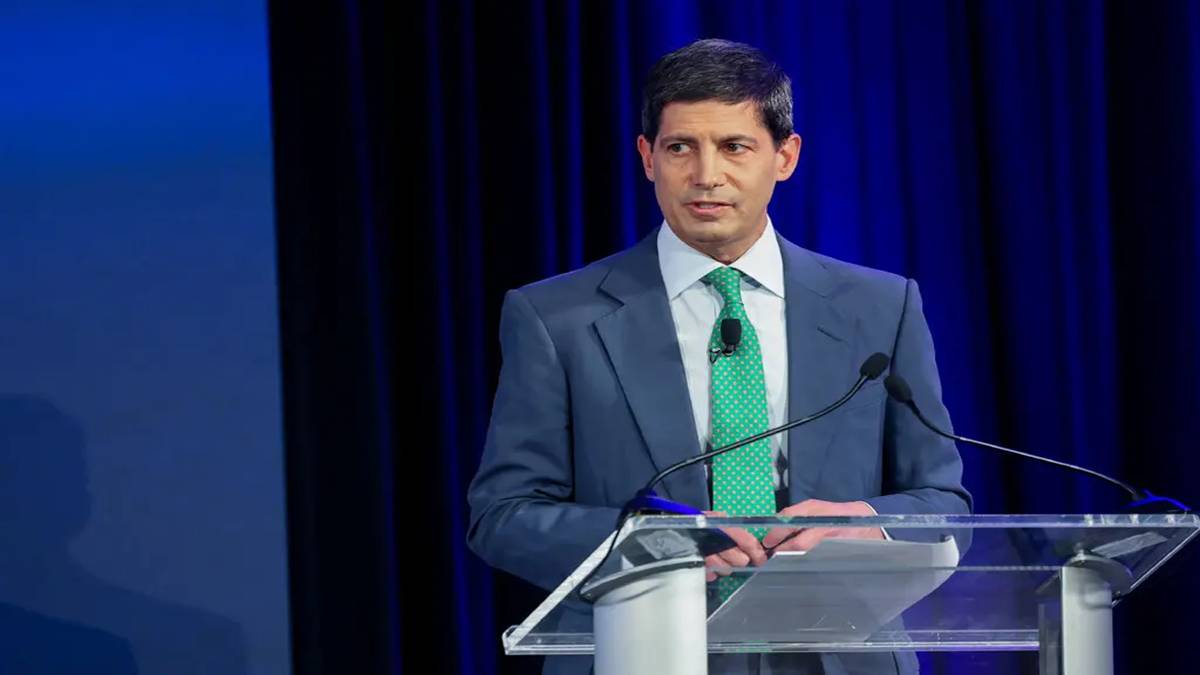
Federal Reserve Chair Kevin Warsh will be testifying in Congress this week, and markets will be watching every word closely.
On Tuesday, July 14, 2026, at 10:00 a.m. ET, Warsh will testify at the House Finance Committee on “The Federal Reserve’s Semi-Annual Monetary Policy Report.” The Monetary Policy Report contains discussions on the conduct of monetary policy, economic conditions, and the future path of the economy.
On Wednesday, July 15, 2026, at 10:00 a.m. ET, Warsh will testify at the Committee on Banking, Housing, and Urban Affairs, presenting “The Semiannual Monetary Policy Report to the Congress.”
“Markets will be less focused on whether rates move in September or December and more interested in understanding how fundamentally different the Federal Reserve may look under his leadership. Warsh has repeatedly referred to his arrival as a “regime change” for the institution, and lawmakers are expected to press him on everything from inflation policy and balance sheet strategy to the Fed’s relationship with the White House,” says Jay Woods, chief market strategist at Freedom Capital Markets.
Why All Eyes Are on Kevin Warsh
Warsh is no ordinary Fed chair — and his first public appearances have already raised eyebrows. Warsh was selected by President Trump to lead the Federal Reserve following Powell’s retirement in May.
During the June FOMC meeting — his first major public outing as Fed chair — Warsh made two significant and unconventional decisions: he did not disclose his rate forecast for the ‘dot plot’, and he shortened the forward guidance report. Both moves have left markets uncertain about the central bank’s future direction — and lawmakers are expected to press him hard on both decisions during this week’s testimony.
“Warsh has raised concerns that he may alter how the Fed issues forward guidance, quarterly dot plots, and a seemingly endless stream of speeches from Fed officials. He appears intent on moving back toward a more traditional Alan Greenspan-type model where actions speak louder than press conferences,” adds Woods.
The Rate Question
The political pressure on US Fed chair Warsh is real, but so are the constraints. President Trump has been highly vocal about lowering interest rates. However, the situation for Warsh is no different from what Powell faced. Inflation remains high, and any talk of a rate cut is premature at this moment. Markets therefore anticipate either a rate hike or a prolonged hold, not a cut, in the current climate.
Warsh and his team face challenges in maintaining employment levels amid a weakening job sector and rising inflation, making their task increasingly difficult.
The Five Task Forces
The US Fed under Warch is changing. Beyond rates, Warsh has also set in motion a broader review of how the Fed operates. He has announced the establishment of five task forces that will examine areas central to the broad conduct of monetary policy. The five task forces will cover Communications, Balance Sheet Policy, Data, Productivity and Jobs, and Inflation Frameworks.
The task forces will comprise external advisers, including economists and business leaders, who will co-lead the initiative, supported by Federal Reserve staff. They will function independently, focusing on evidence, providing honest feedback, and delivering thorough findings for the Federal Open Market Committee.
Disclaimer: This article is for informational purposes only and should not be considered investment advice. Readers should consult a financial advisor before making any investment decisions. Market forecasts and analyst projections mentioned are subject to change and are not guarantees of future performance.