



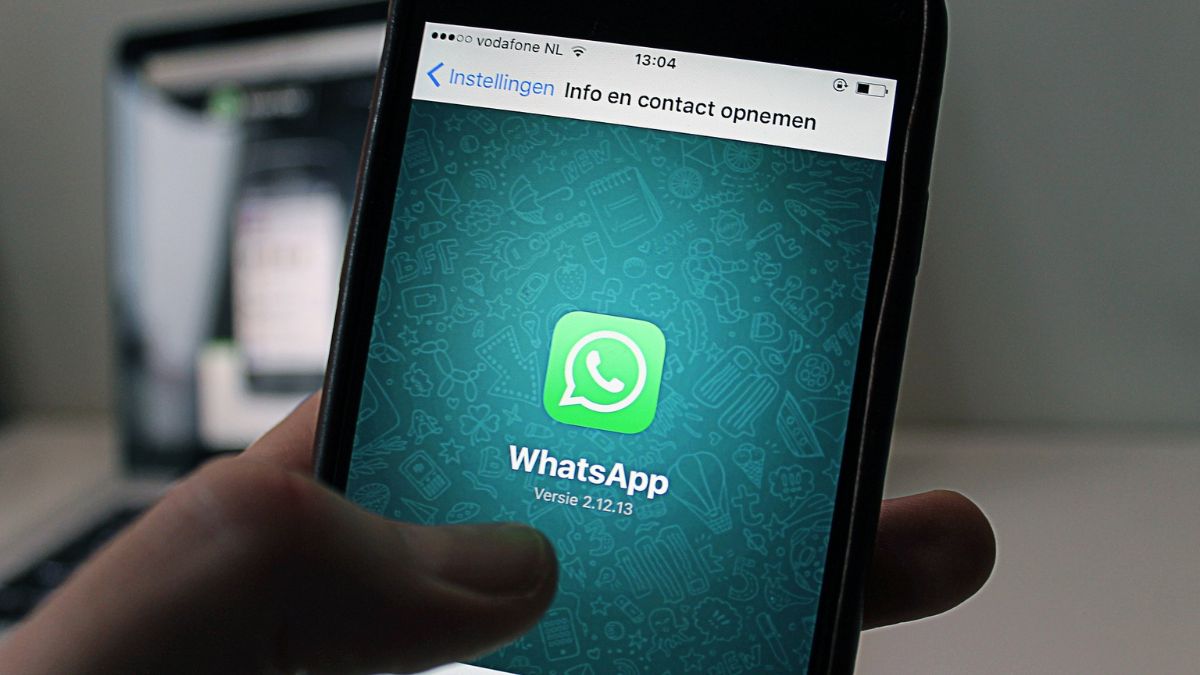
Beginning March 1, a number of significant regulatory and operational changes have come into force across India, affecting railway passengers, mobile users and the day-to-day costs borne by households. Among the key developments are the discontinuation of a current railway ticketing application, tighter requirements linking SIM cards to widely used messaging services, and the regular monthly adjustment of fuel rates, including LPG, CNG, PNG and aviation turbine fuel (ATF).
Starting 1 March 2026, a significant update focused on strengthening online safety has taken effect, affecting people who use leading messaging apps like WhatsApp, Telegram and Signal.
Regulations are designed to offer protection, and policies exist to make sure the country’s security remains uncompromised. At the same time, they should take practicality into account. People rely on these messaging services largely because they make communication simple and quick. By introducing SIM-linking requirements, authorities are adding an extra step that may disrupt everyday ease for users. The underlying objective, however, is to safeguard national interests.
What is SIM binding?
SIM binding is a system that permanently links a messaging account to the mobile number and its active SIM card, rather than relying on a one-time verification alone.
In many countries, WhatsApp uses a “verify once” approach. A user provides their phone number, enters a one-time password (OTP) sent to that number, and the account is activated.
After this initial step, the service continues to function even if the SIM card is removed from the device. It also remains accessible on connected devices such as laptops or tablets without requiring the SIM to be physically present in the phone.
The new SIM-linking requirement will significantly change the way people access WhatsApp on multiple devices.
1 Repeated SIM checks
The platform will conduct automatic checks at six-hour intervals to confirm that the SIM associated with the account is physically inserted in the main handset. This ongoing validation replaces the earlier one-time approval system, reducing the ability to stay logged in for extended periods without the SIM card in the device.
2 Automatic sign-outs on Web and Desktop
Those who depend on WhatsApp Web or the desktop version for professional communication may experience regular disruptions. Under the updated rule, sessions on linked computers will end every six hours. Restoring access will require the primary smartphone, with the active SIM inside, to complete verification again.
3 Tighter controls on companion access
Options such as Linked Devices — often referred to as Companion Mode — which previously enabled use on as many as four additional devices without the main phone being connected, will now operate under stricter conditions and reduced flexibility.