



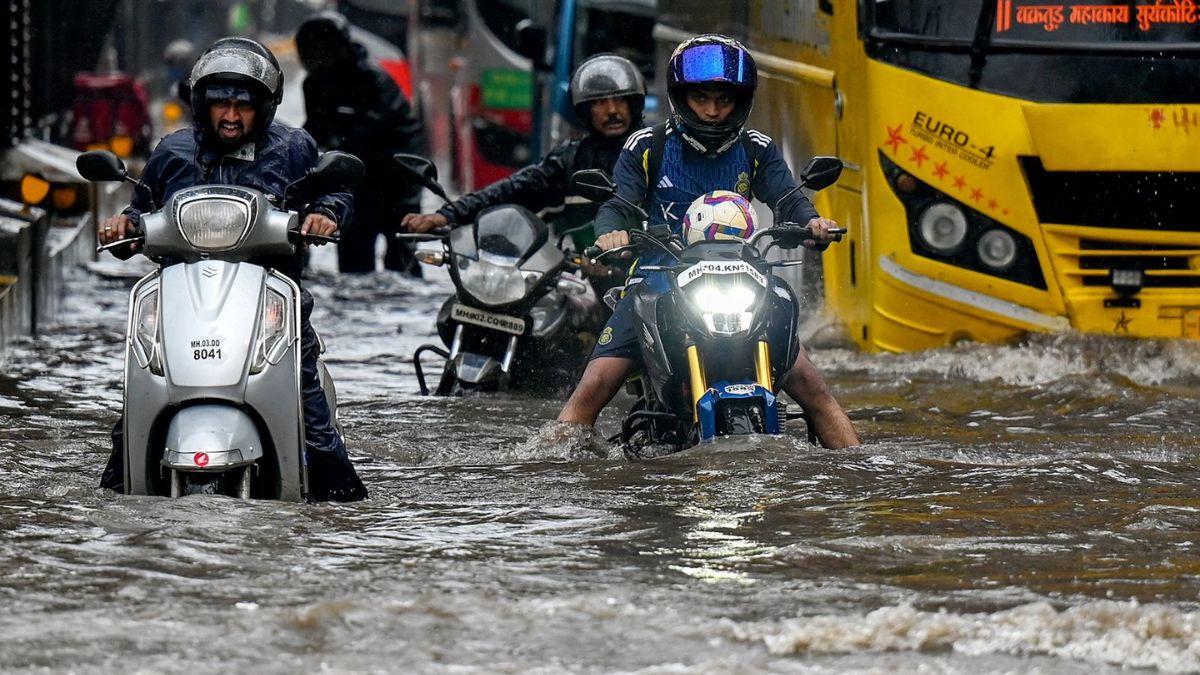
With less than two months remaining for the onset of the monsoon, the Brihanmumbai Municipal Corporation (BMC) has stepped up its flood preparedness measures across Mumbai. The civic body is introducing a mix of technology-driven monitoring and on-ground interventions to tackle waterlogging, the Indian Express reported.
Apart from deploying dewatering pumps and targeting flood-prone zones, the civic body has rolled out an Artificial Intelligence (AI) model to monitor desilting operations and detect irregularities. The move gains significance as the agency faces scrutiny from the Enforcement Directorate over an alleged Rs 1,100 crore desilting scam.
AI monitoring to curb irregularities in desilting
Desilting, a critical pre-monsoon activity, involves clearing silt and debris from drains and water bodies to ensure smooth water flow during heavy rainfall. To prevent contractors from inflating claims, the BMC has mandated video documentation of the entire desilting process, from excavation to disposal, IE report stated.
These recordings are uploaded to a central portal and analysed using AI tools designed to flag suspicious patterns. The system identifies anomalies such as unusually fast loading times or inconsistencies in video quality.
Speaking to The Indian Express, Additional Municipal Commissioner (Projects) Abhijit Bangar said that the AI model scans through the footage and flags discrepancies. For example, if there is a video that shows a truck being loaded in less than 2 minutes, that footage is flagged, because it usually takes minimum 7-8 minutes to load a truck post desilting.
“As a fraudulent measure, some contractors mix silt with floating waste items to inflate the quantum of silt removed daily. Hence, waste is easier to load on a truck and the process is completed quickly. The AI model has been taught about this pattern therefore it flags critical time gaps easily in the system,” Bangar told Indian Express.
“Often contractors upload an old video by copying it from a different device. The change in resolution or video quality gets caught in the system and is flagged immediately. Also, since silt is sediment in nature it doesn’t cause displacement of dust while loading and unloading, however when waste is mixed with it there is dust displacement. These effects show up in the video and the AI tool flags them immediately, following which the contractors are summoned,” Bangar added.
To enhance transparency, the BMC has also reduced this year’s desilting target to 8.47 lakh metric tonnes from last year’s 12.03 lakh metric tonnes, ensuring payments are made strictly based on verified work.
Focus on choke points and flood-prone zones
Mumbai’s extensive drainage network spans nearly 3,800 km, including major and minor nullahs. This year, authorities plan to remove over 8 lakh metric tonnes of silt, with a significant focus on vulnerable locations such as Saki Naka and Kurla.
“There are several drains in Saki Naka and Andheri which are covered under conventional culverts, due to which our machines can’t enter it to desilt them and due to irregular maintenance the drains have been choked to an extent the water flowing through gets clogged resulting in overflow and flooding of the area,” an official said.
Authorities plan to deploy manual methods to unclog these culverts and remove accumulated waste, particularly plastic debris. Additionally, targeted interventions are being carried out along embankments near the Mithi River to reduce flooding risks.
Surge in pumps to tackle waterlogging
As part of its preparedness strategy, the BMC will install 547 dewatering pumps across low-lying areas — the highest deployment in the past three years. The civic body will also introduce 14 vehicle-mounted mobile pumping units capable of operating in narrow and congested locations.
“These mobile units can be deployed in areas not traditionally classified as flood-prone but which experience waterlogging during heavy rainfall,” an official noted.
Several pockets record excessive flooding and waterlogging during a moderate or heavy spell of rain. Often, these spots are not mapped as chronic waterlogged areas, therefore, conventional pumps are not set up there. As a result, there is a need to deploy additional countermeasures to abate the flooding in those areas.
Mumbai typically records around 16 days annually with rainfall exceeding 100 mm, and nearly 35% of its population resides in flood-prone areas, according to official estimates. Civic officials also cited ongoing infrastructure projects, including metro and road construction, as factors contributing to increased vulnerability in several wards.
With a combination of AI-driven oversight and expanded infrastructure measures, the BMC aims to minimise disruptions and strengthen Mumbai’s resilience ahead of the upcoming monsoon season.