



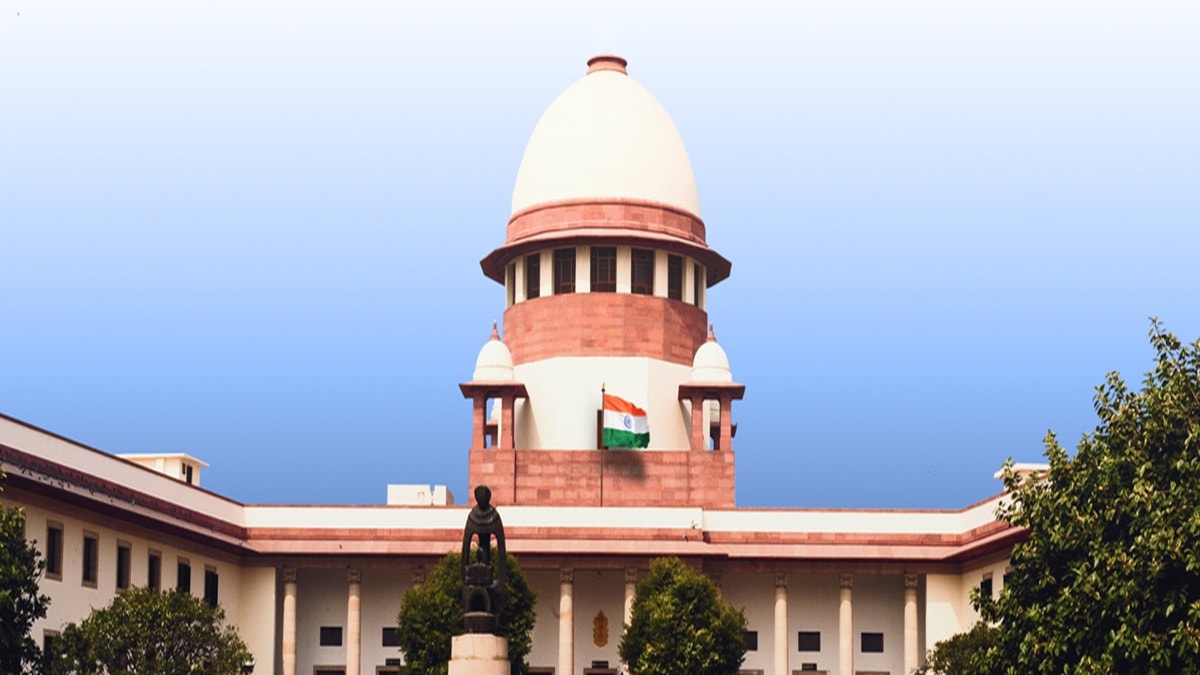
The Supreme Court on Sunday issued sweeping pan-India guidelines to bolster road safety, saying that expressways must not turn into death traps due to negligence or poor infrastructure. A bench of Justices JK Maheshwari and AS Chandurkar targeted national highways — which form just 2% of India’s roads but cause nearly 30% of fatalities — banning heavy vehicle parking and mandating strict enforcement.
The SC order stemmed from a suo motu case after horrific accidents on November 2-3, 2025, claimed 34 lives in Rajasthan’s Phalodi and Rangareddy district in Telangana. Citing systemic failures like illegal parking and blackspots, the court ruled that even one preventable death violates Article 21’s Right to Life, obligating the State to ensure safe travel environments.
Invoking Article 142 powers, the bench emphasised no budget or bureaucratic hurdles justify risking lives, issuing time-bound directives to the Ministry of Road Transport and Highways (MoRTH), NHAI, states and UTs.
Zero tolerance for heavy vehicle parking and illegal stops
The apex court directed that heavy and commercial vehicles must not stop on highway carriageways or shoulders, except at designated bays, lay-bys, or authorised facilities. Enforcement will rely on Advanced Traffic Management Systems (ATMS) to issue real-time alerts, capture GPS-tagged photographic evidence, and generate e-challans. District magistrates have been tasked with framing standard operating procedures for coordinated patrols by the NHAI, police, and transport departments. Compliance is to be ensured within 60 days, the court said.
Demolition of unauthorised highway structures
New dhabas, eateries, or commercial builds within highway Right of Way (ROW) will be immediately prohibited, the court said. District magistrates must demolish existing illegal ones within 60 days as per the Control of National Highways Act SOP that came on August 7, 2025. No licenses or NOCs will be permitted for safety-zone sites without NHAI/PWD nod and existing ones will be reviewed in 30 days, the Supreme Court said.
According to the SC order, every district with national highways will get a safety task force within seven days, including district admin, police, NHAI/PWD and local bodies. There priorities will include ATMS cameras, speed detectors, emergency response, truck lay-byes, blackspot fixes, lighting and coordination committees.
MoRTH must submit a compliance report in 75 days and the matter returns in two months, the SC said.