



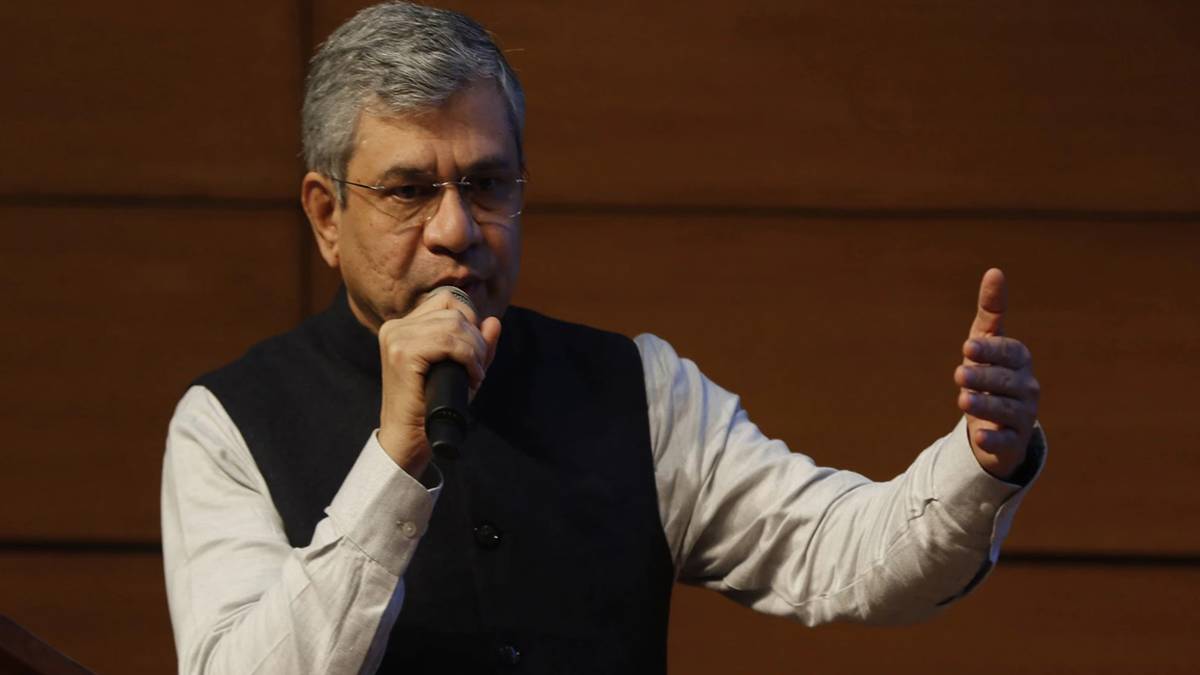
Digital platforms must take responsibility for the content they host and ensure fair revenue sharing with creators and news organisations, Union Minister Ashwini Vaishnaw said on Thursday, warning that innovation will suffer if intellectual property is not fairly compensated.
“I request all platforms to rethink their negotiation policies. If voluntary action is not taken, many countries have already shown that legal pathways exist,” he said.
Minister stresses respect for intellectual property rights
Vaishnaw stressed that intellectual property must be respected and fairly compensated, noting that progress in science, technology, arts, and literature depends on it. He called on platforms to revisit their commercial arrangements with publishers and creators.
Addressing a media event in New Delhi, Vaishnaw said digital intermediaries have evolved into powerful media outlets and can no longer disclaim accountability.
“Platforms must take responsibility for the content that is hosted by them. The online safety of children and all citizens is the responsibility of the platforms,” Vaishnaw said.
He argued that the character of the internet has changed. “Today, it has become a powerful media outlet. And like media organisations, platforms must take responsibility. The time is gone when platforms could say they are not responsible for content. Those times are gone. Platforms have changed from being pure intermediaries to becoming hosts to the world,” he said.
He added that revenue sharing should extend beyond established media houses to independent creators in remote areas, influencers, professors and researchers, cautioning that denying due compensation would ultimately hurt innovation.
The minister also flagged the growing threat posed by synthetic and AI-generated content, particularly deepfakes and disinformation. He said society was grappling with issues such as online safety, authenticity of news, protection of children, obscenity and synthetically generated fake content.
‘So-called news’ threatens faith in institutions: Vaishnaw
“All these issues require decisive steps today because they are challenging and even destroying the fundamental tenets of our society: trust in institutions built over centuries,” he said.
Warning that disinformation can erode confidence in established institutions, Vaishnaw said, “And all that so-called news or so-called information, when it reaches the common citizen, the common citizen starts questioning the very basic structure of society. That is the big threat.”
Calling for tighter norms around AI-generated material, Vaishnaw said consent must be mandatory when a person’s likeness is used. “How can a video of a famous news anchor be generated without consent, how can an IT industry leader’s video appear without his consent asking people to do something. This is not acceptable. Consent must be mandatory,” he said.
“These are real challenges. The courts are concerned. The judiciary has repeatedly expressed concern about the societal harm. Parliamentary committees have conducted extensive consultations and submitted comprehensive reports. I urge media and platform representatives here to go through those reports carefully,” he said.