



Timex India is targeting Rs 1,000 crore in revenue this fiscal after reporting a 48% year-on-year jump in FY26 sales to nearly Rs 800 crore, aided by strong demand across its Timex, Guess and Versace brands. The company, which competes closely with the watches division of Titan, says India is now its second-largest market globally after the US. Timex is also ramping up local manufacturing and capacity amid rising demand for analogue watches.
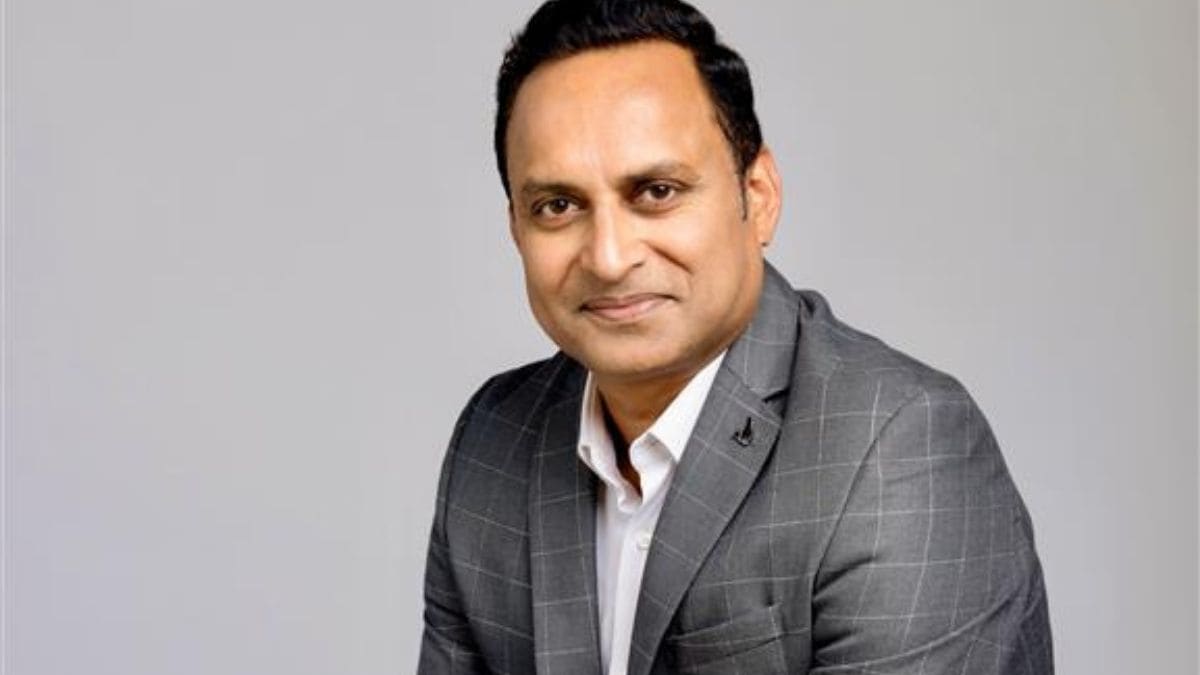
“Our business has tripled in the last four years from around Rs 265 crore to Rs 800 crore,” Deepak Chhabra, managing director of Timex Group India, told FE.
In the March quarter, Timex India reported a 74% year-on-year increase in net sales to Rs 235 crore, while net profit nearly tripled to Rs 27 crore from Rs 9 crore a year earlier. Earnings before interest, tax, depreciation and amortisation (Ebitda) margins expanded to 17.1% in Q4 from 11.1% in the corresponding quarter last year.
Timex, Guess and Versace remain the company’s largest brands, contributing nearly 70-80% of total sales. Timex grew 62% during the year (FY26), while Guess and Versace expanded 51% and 48%, respectively. The company also launched Aston Martin-branded watches in December, adding incremental revenue in the fourth quarter.
Despite concerns around inflationary pressures and geopolitical uncertainty, the company said it has not yet seen any meaningful slowdown in consumer demand during April and May. However, Chhabra flagged rising input costs and supply-chain disruptions as key concerns.
Navigating Supply-Chain Friction
Input costs have risen 12-13% over the past few months because of higher metal prices, currency volatility and shortages in watch movements sourced from Japan. To offset rising costs, Timex implemented an average price hike of around 10% effective May 1.
“The net impact on margins should be neutral because the price increases compensate for the rise in input costs,” Chhabra said.
India currently contributes around 20% of Timex Group’s global revenue and has emerged as its fastest-growing market over the past two years, Chhabra said. The company expects India could become its largest market globally within the next three to four years if current growth trends continue.
Expanding Baddi Facility
Timex is also expanding manufacturing capacity at its Baddi plant in Himachal Pradesh. The company has already increased annual capacity from 3 million units to 6 million units after clocking production of 3.6 million watches last year. Another planned expansion in FY27 could take capacity to 10-11 million units annually.
While premium and luxury watches have grown rapidly in recent years, Timex believes the long-term opportunity in India lies in affordable watches priced below Rs 15,000.
According to Chhabra, only around 5 million Indians can currently afford luxury watches priced above Rs 1 lakh, while nearly 500 million consumers fall within the affordable watch-buying segment.
“While growth in the premium and luxury segments remains strong, India’s next phase of expansion will largely come from first-time buyers in the mass segment,” he said.
The company plans to continue focusing on both the affordable and premium ends of the market, Chhabra added.