



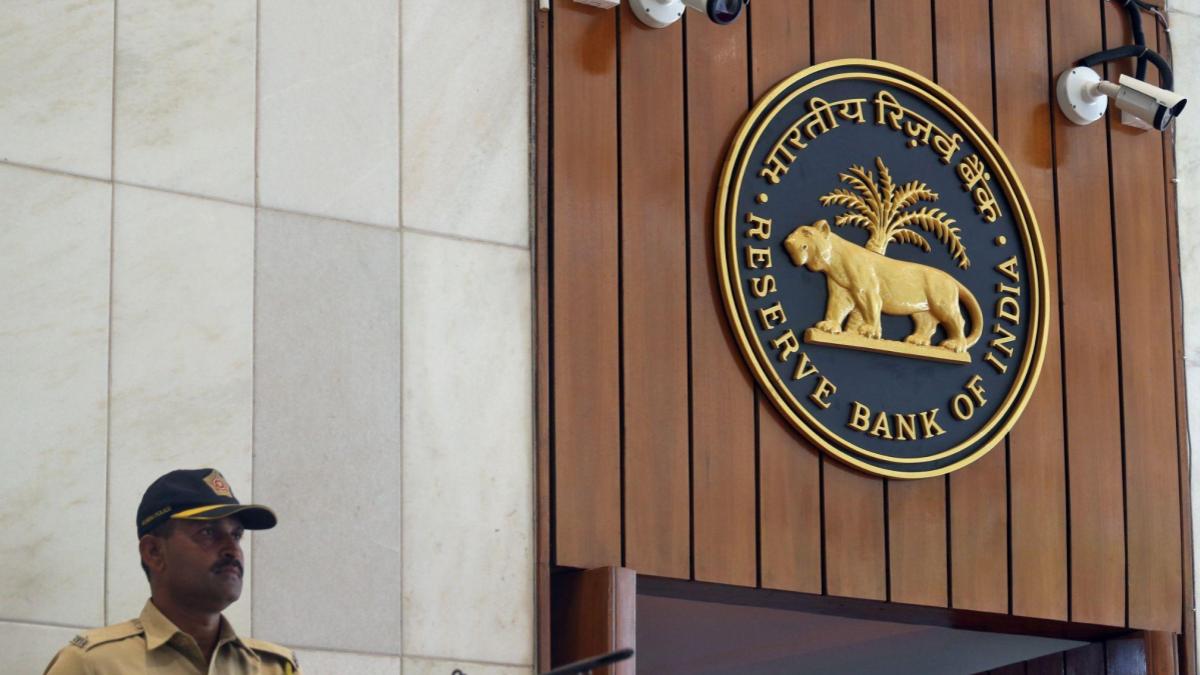
The Reserve Bank of India (RBI) announced a set of measures aimed at improving ease of doing business, especially for banks and MSMEs, while announcing the MPC decision today.
RBI to simplify bank board processes
The RBI said it plans to rationalise the agenda of bank boards to ensure better utilisation of their time. This move follows a comprehensive review of existing regulatory instructions.
RBI to ease compliance burden
In another step, the RBI has completed the consolidation of supervisory instructions, similar to its earlier exercise of merging over 9,000 regulatory instructions into 238 master directions. The move is expected to simplify compliance and reduce regulatory complexity.
Relief for MSMEs on TReDS onboarding
The RBI also proposed a key relief for micro, small and medium enterprises (MSMEs) by removing the requirement for due diligence during onboarding on Trade Receivables Discounting System (TReDS) platforms.
This step is expected to make it easier for MSMEs to access invoice financing and improve liquidity conditions for the sector.
Capital norms eased for banks
The central bank also announced changes to capital adequacy norms to provide greater flexibility to banks.
It proposed removing the condition that requires provisioning for non-performing assets before including quarterly profits in capital calculations.
Additionally, the RBI will do away with the requirement for banks to maintain an Investment Fluctuation Reserve (IFR), which was earlier used as a buffer against valuation losses.
Measures to deepen money markets
To further develop financial markets, the RBI said it will allow more non-bank entities to participate in the term money market. Currently, only banks and standalone primary dealers can operate in this segment.
The borrowing limits for primary dealers will also be enhanced to improve liquidity and market depth.
Conclusion
RBI kept the repo rate unchanged at 5.25%, maintaining its ‘neutral’ stance as it navigates rising global uncertainties triggered by the West Asia conflict.
“The economy is confronted with a supply shock. It is prudent to wait and watch the changing circumstances and the evolving growth-inflation outlook,” Malhotra said.