



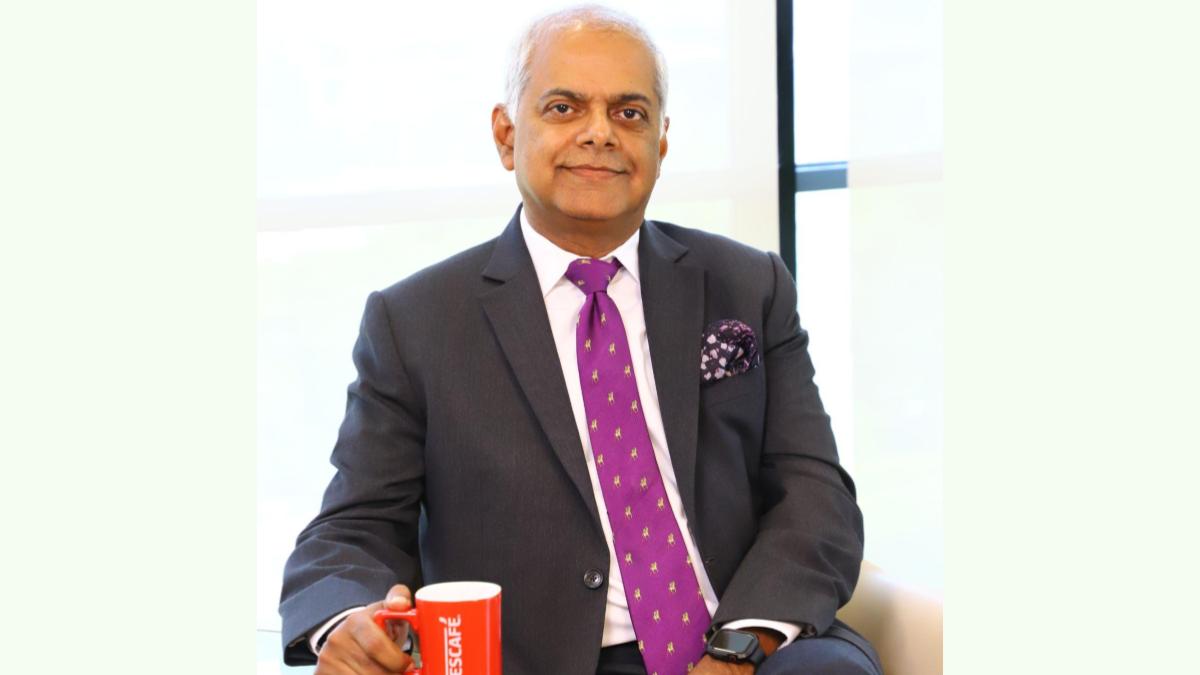
At a time of heightened geopolitical tensions and fluctuating commodity prices, Nestlé India is walking a fine line between protecting margins and sustaining volume growth. After delivering a strong March quarter—with revenue, volumes and Ebitda margins hitting multi-quarter highs—chairman and managing director Manish Tiwary said the bigger challenge lies in sustaining this momentum into FY27. In an interview with Viveat Susan Pinto, Tiwary outlines his roadmap—prioritising penetration over pricing, stepping up investments behind core brands, and sharpening execution. Excerpts:
1) What drove Nestlé India’s strong double-digit volume growth in the March quarter? And to what extend did GST tailwinds aid financial performance during the period?
Our approach has been consistent—invest in strong brands, maintain cost discipline, and execute well. The key differentiator is our focus on volume-led penetration growth. Many of our categories still have relatively low penetration, which gives us significant room to expand consumption. To us, India remains a long-term growth market.
To your question on GST tailwinds, yes, it did help improve demand (in Q4). But execution during the transition was critical. We ensured there was no disruption across our distribution network, which allowed us to fully capture the upside.
2) But FY27 is expected to be challenging for FMCG firms with the Iran war dragging on and the forecast of a weak monsoon this year. How are you seeing the fiscal period evolve?
There may be short-term volatility, but the long-term opportunity remains intact. As long as we stay disciplined and consumer-focused, we are confident of sustaining growth. Discipline creates a compounding impact on results. Our priority will remain on volume-led growth. Price hikes are not the first lever, it is the last resort. We will look at all other options before considering price hikes, backed by a strong execution strategy.
3: What are the key risks you are monitoring especially from a commodity lens in FY27?
Input cost pressures—particularly packaging, milk, and wheat—remain a concern. Geopolitical developments and monsoon trends could also impact demand. Our focus is on controlling what we can via execution and efficiency.
4) While most FMCG firms are likely to be circumspect about advertising spends in FY27, given the pressure on margins, you remain more optimistic about the same. Why the contrarian approach?
Increased advertising supports volume growth. As volumes rise, operating leverage kicks in—manufacturing and logistics costs decline as a percentage of sales. This creates a virtuous cycle where higher investments in brands can co-exist with margin improvement.
5) From a largely urban-centric company a few years ago, Nestle India has been gradually expanding its distribution reach in rural areas. Where do you see this going in the future for the company?
We increased distribution to 216,000 villages in Q4 from 208,500 a year ago. This number will keep inching up by 10-15% per annum as we go ahead. Having said that, the quality of coverage will be critical. Rural is a key growth lever, but it is also a large bet. While we have expanded our reach significantly, our focus will be on quality of distribution rather than just scale alone. Ensuring consistent servicing, right assortment, and strong last-mile execution will be critical.
6) You are pushing both premiumisation and mass penetration. How do you balance the two?
Consumer segments are evolving, so a single strategy won’t work. We are moving towards micro-marketing—premium offerings in urban markets and affordable entry packs in smaller towns and rural areas. Both play important roles in driving growth. Urban areas are also seeing the growth of channels such as quick commerce, which helps improve accessibility and convenience, especially for categories such as pet food. In rural areas, the strategy is to drive direct distribution.
7) How are you approaching innovation?
We are focusing on fewer, bigger, bolder innovations within our core brands. All our innovations are now centred around our power brands of Maggi, KitKat, Munch and Nescafe. There is enough headroom within these brands, so we prefer not to spread ourselves too thin by launching new products or innovations outside of our core brands.
8) How is technology shaping your operations?
Technology, including AI, is helping us improve forecasting, supply chain efficiency, and speed to market. It enables better decision-making and is a key lever for driving productivity and growth.