



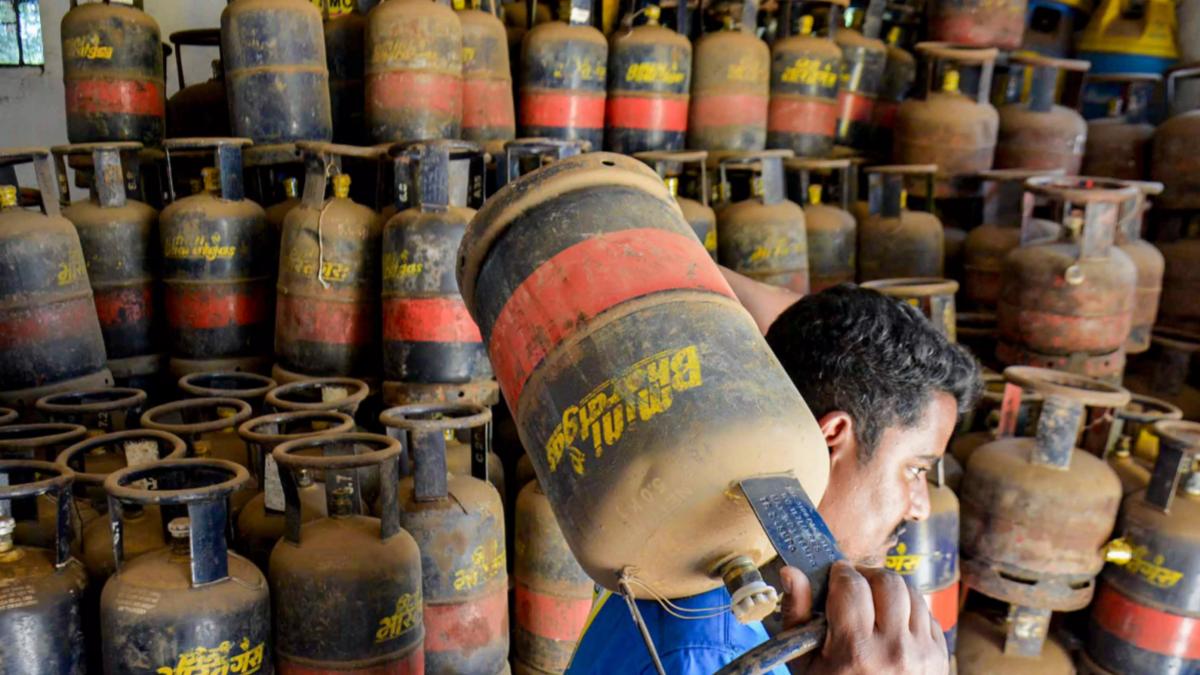
The government on Monday urged citizens to shift to induction cookstoves amid pressure on domestic LPG supplies, while indicating that adoption of flex-fuel vehicles is expected to gain traction to reduce dependence on crude oil imports.
Officials said the push towards alternative cooking solutions such as electric stoves and piped natural gas (PNG) is aimed at balancing fuel demand, even as efforts continue to secure supplies through diversified sourcing.
“There is a pressure on LPG and that’s why repeated requests have been made to consumers to shift to other available energy sources, PNG or electric cookstoves,” said Sujata Sharma, joint secretary, ministry of petroleum and natural gas, at an inter-ministerial briefing.
She said the government has managed to stabilise fuel supplies through diversification over the past few weeks. “In the last 45 days we have tied over this situation with lot of efforts quite satisfactorily. Regarding crude lot of diversification already happened and we take crude from more than 40 countries,” Sharma said.
On gas supplies, she added that arrangements remain in place. “For LNG also we have quite comfortable situation. For LPG also, cargoes have been tied up… we are able to maintain steady supply to the domestic LPG consumer and also slowly and steadily the supply of commercial LPG has also been increased up to 70%,” she said.
Regulatory board steps in
The petroleum and natural gas regulatory board and city gas distribution companies have stepped up efforts to expand PNG coverage to support the shift away from LPG.
Officials said the transition towards electric cooking could have implications for power demand. A surge in induction cooktop adoption could add 13–27 GW to India’s peak electricity demand by FY27.
“…we are expective that the additional demand would be in the range of 13–27 GW in low and high induction cooking adaption,” said Krushna Chandra Panigrahy, Director General, Bureau of Energy Efficiency on April 10.
Alongside, the government is pushing for wider adoption of flex-fuel vehicles. “The industry has already come up with models which are compliant with flex fuel… we are confident that the use of flex fuels will also grow, which will also ease the pressure on the import of crude,” said Hanif Qureshi, additional secretary, ministry of heavy industries.
He said there has been no significant disruption in LPG supply for industry. “We are taking all measures to ensure that adequate supply is there… and no serious shortages have been reported,” Qureshi said, adding that the ministry is in touch with the Auto Component Manufacturers Association (ACMA).
Industry has also been advised to shift to cleaner fuels such as PNG and electric furnaces where feasible.
The measures indicate a broader shift in energy consumption, with focus on managing LPG demand while promoting alternative fuels and reducing import dependence.