



Direct-to-home (DTH) satellite television provider Dish TV is betting on OTT aggregation, connected smart TVs and hybrid entertainment services to diversify beyond its traditional DTH business as it grapples with a steep decline in subscribers.
The company recently launched ‘VZY’, a connected entertainment ecosystem that combines 24 OTT apps and live television channels on a single platform. It has also expanded into a hardware-led strategy with the launch of VZY-branded connected smart TVs.
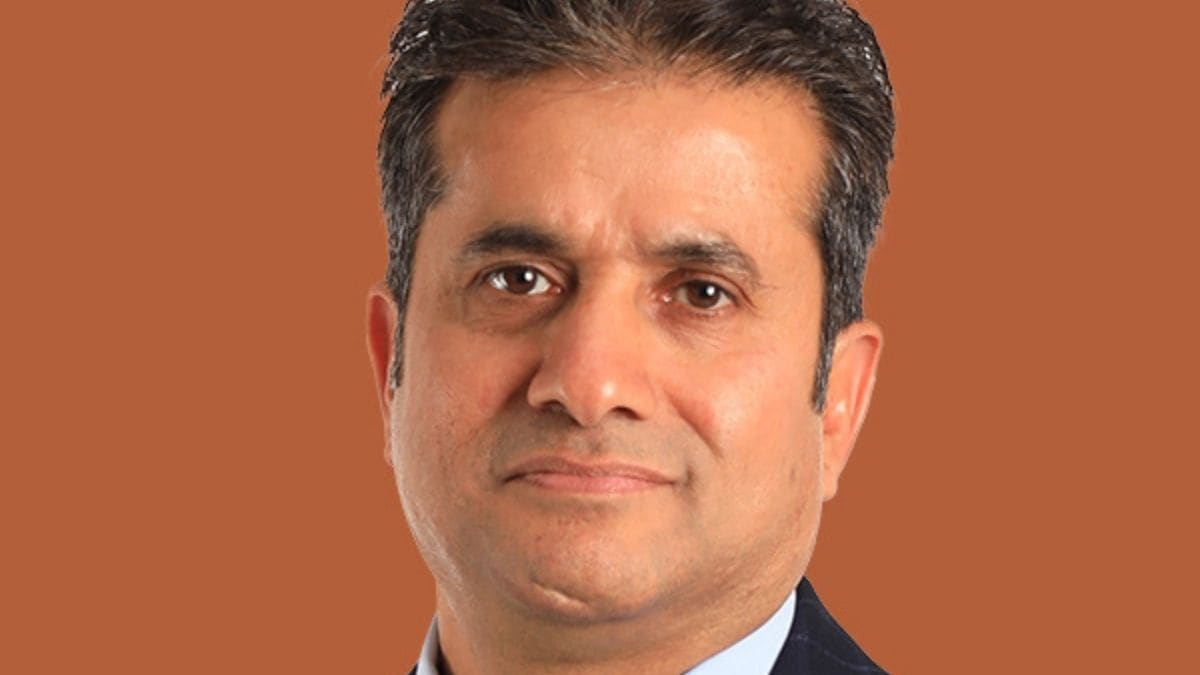
“We are focused on bringing back TV culture. These smart TVs will come with built-in subscriptions to the VZY OTT app, linear TV and DTH services,” Manoj Dobhal, CEO and executive director of Dish TV, told FE.
The DTH business, including subscription, marketing and advertising income, still contributes to 90-95% of Dish TV’s revenue. However, Dobhal said the company expects the share of non-DTH and connected entertainment businesses to rise over time.
“With the kind of innovation we are trying to bring in, the share of non-DTH businesses will only increase, while we also try to sustain our DTH base,” he said.
Navigating Financial Pressure
The company reported ₹100 crore in revenue from its smart TV business.
The push towards smart TVs and OTT aggregation comes as Dish TV’s core subscription business remains under pressure. Subscription revenue fell more than 35% year-on-year to ₹886 crore in FY26 due to intense competition from OTT platforms, changing viewing habits and inflationary pressures.
To revive its DTH subscriber base, the firm last week rolled out regional language-led channel packs for all four south Indian languages, starting at ₹149 per month.
Targeting TV Pyramid
India’s television consumption market is divided into four layers — free-to-air (FTA) households, linear television consumers using cable or DTH services, and hybrid or cord-cutting users consuming content primarily through smart TVs and OTT platforms.
“We have a product offering for each layer of the pyramid,” Dobhal added.
In March, Dish TV approached the Kerala High Court seeking what it described as equal regulatory treatment between Prasar Bharati’s DD Free Dish platform and private DTH operators.
Dobhal argued that DD Free Dish was originally conceived as a public service platform aimed at delivering government information, education and welfare initiatives to rural audiences without a paywall. However, he said the platform has increasingly become a destination for commercial entertainment channels seeking wider reach through unencrypted distribution.
“Our point has always been that there should be a level playing field,” Dobhal said.
“ If I am allowed to go unencrypted, I can maximise my reach and subscriptions many times over. Today, they are taking away my customers because the same content is available free of cost,” he added.