



Cold chain logistics companies focused on quick commerce are stepping up capacity and operational changes as large parts of the country heads into a hotter-than-normal summer, with demand for frozen desserts and temperature-sensitive products expected to rise sharply.
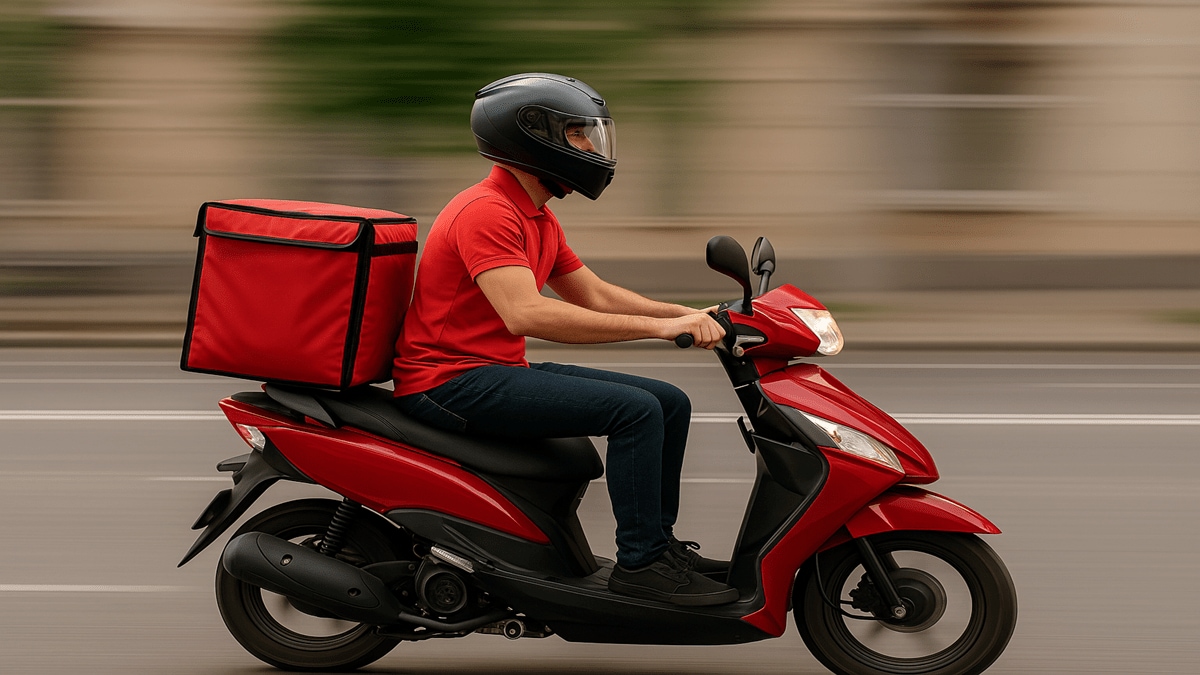
Refrigerated logistics firm Bobba Logistics is testing pre-conditioned cooling vests and mini refrigerated backpacks for delivery personnel to maintain temperature during last-mile delivery. The company is also deploying on-demand flash-freezing chambers to rapidly condition small stock-keeping units so that they can move faster through quick commerce fulfillment systems.
“We are strengthening hyper-local micro-fulfillment capabilities to support faster turnaround. Quick commerce requires a very different operating model, especially for perishables,” Chandrakala Bobba, director at Bobba Group’s Bobba Logistics, told Fe.
Tech Innovations
The company is also introducing zonal smart cooling systems that stabilise temperatures quickly when bulk frozen products arrive at warehouses. Other measures include QR-coded track-and-trace labels on cold boxes linked to transport and warehouse systems, wearable alerts for staff working in negative temperature zones, and voice-enabled picking to optimise warehouse operations.
Quick commerce platforms such as Zepto, Blinkit and Swiggy Instamart recorded around a 30% surge in summer demand last year for products such as ice cream and cold beverages, according to industry estimates. Perishables account for nearly 40% of orders for several platforms, making temperature-controlled logistics critical during the peak months.
To meet the expected demand, cold chain firms are also expanding workforce and infrastructure.
Celcius Logistics has added 50 employees over the past quarter, increasing its workforce by nearly 25% to more than 300. The company has also expanded its electric vehicle fleet by 100 vehicles, set up 35 additional pack houses at the farm level and added 52 urban distribution centres.
“Our tech systems help forecast demand and optimise asset utilisation across vehicles, warehouses and distribution points,” Swarup Bose, founder and CEO of Celcius Logistics, said. “We are also investing in fleet expansion, infrastructure growth, manpower scaling and expansion into newer cities.”
Beyond Metros
The company serves more than 500 clients including Zomato, Blinkit, Hyperpure, Zepto, Amul, Parag Milk Foods and Godrej Industries.
However, logistics providers face operational risks during extreme summer conditions. Reefer truck shortages and equipment failures tend to rise during heatwaves, while transit delays increase the risk of temperature excursions for products such as dairy and pharmaceuticals.
To manage these risks, companies are deploying predictive demand planning, dynamic warehouse slotting and automated temperature alerts. “Micro-fulfillment facilities help reduce transit times and improve flexibility during peak demand,” Bobba said.
Cold chain operators are also expanding capacity in tier-II and tier-III cities as quick commerce platforms extend their reach beyond metros.
ColdStar Logistics said it has increased capacity by 25–30% in cities such as Patna, Lucknow, Visakhapatnam, Coimbatore, Kochi, Goa, Indore, Bhopal, Surat and Vadodara.
“Our transport network has been expanded by over 30% in anticipation of strong summer demand,” Sameer Varma, executive director at ColdStar Logistics, said.
India currently has around 134 cold chain logistics companies, according to Tracxn. The country’s cold chain storage and logistics market, valued at $4.7 billion in 2024, is projected to reach $12.2 billion by 2030, growing at a compound annual rate of about 17%, according to TechSciResearch.