



For many freelancers and small vendors, chasing payments is an exhausting second job. In recent years, the Insolvency and Bankruptcy Code (IBC) has emerged as a ‘silver bullet’. It is a fast, high-pressure tool to force corporate clients to clear outstanding invoices.
However, a recent landmark ruling by the National Company Law Appellate Tribunal (NCLAT) involving Bollywood superstar Akshay Kumar and edtech firm Cue Learn has significantly blunted this weapon. The verdict clarifies a critical boundary: insolvency proceedings cannot be triggered if there is a “pre-existing dispute” over the contract.
For the gig economy and MSMEs, this shift could mean the difference between a quick settlement and years of litigation.
Lawyers pointed out that the ruling matters far beyond Bollywood. Here’s how it changes things for small businesses, vendors, freelancers, etc.
What the Akshay Kumar dispute was about
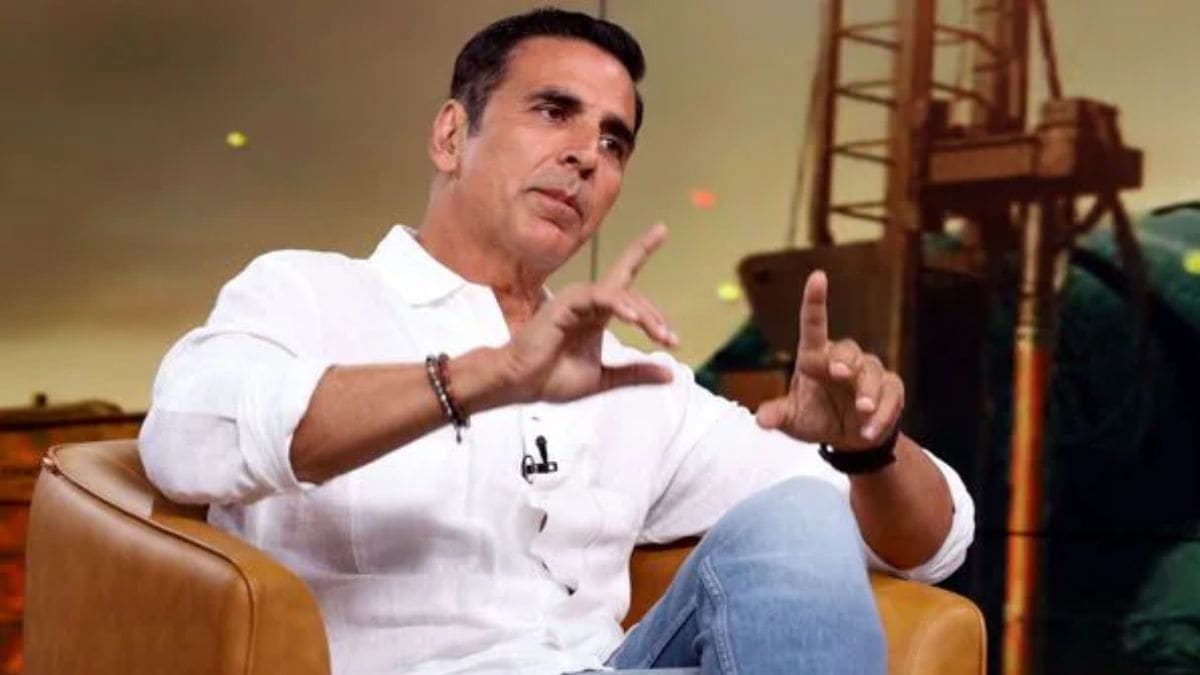
The dispute goes back to 2021, when Akshay Kumar signed an endorsement contract with Cue Learn. The deal required him to provide promotional services for up to two days, for a total fee of Rs 8.10 crore plus taxes. Cue Learn paid the first installment of Rs 4.05 crore, and the actor’s services were used for one day. But the company did not schedule the second day, and the second instalment was not paid, as per a Bar and Bench report.
Kumar then issued a demand notice under the IBC and later filed for an insolvency petition against the company. Both the National Company Law Tribunal (NCLT) and, on appeal, the NCLAT rejected the plea.
It means insolvency cases can only be started when the money owed and the failure to pay it are clear and not disputed. If there’s a genuine disagreement about what a contract means before a payment demand is sent, the issue should be settled in a civil court or through arbitration, not through insolvency proceedings.
In simple terms, all debts are claims, but not every claim counts as a valid debt under the Insolvency and Bankruptcy Code.
A setback for small creditors
For freelancers, vendors and small businesses, the ruling makes insolvency cases less useful as a way to pressure clients to pay pending fees.
“The IBC’s Section 9 was one of the most efficient weapons in a small creditor’s arsenal—relatively inexpensive to file, considerably faster, and detrimental to a corporate debtor because it could cripple their business,” Siddharth Chandrashekhar, advocate and legal counsel advising technology and media entities, told financialexpress.com. “This ruling narrows that weapon significantly.”
He said the tribunal made it clear that not every claim counts as a debt that can start insolvency proceedings, so creditors now have to prove without doubt that the debt exists and hasn’t been paid.
For many service providers, that will be difficult. “For small vendors and freelancers whose work is tied to deliverables, milestones, or creative outputs, almost any invoice can be met with a plausible dispute, instantly killing the IBC route,” Chandrashekhar said.
The result is that cash-strapped businesses that once used the threat of insolvency to secure quick payments may now have to turn to slower routes like civil cases or arbitration.
Sonam Chandwani, managing partner at KS Legal & Associates, told financialexpress.com that the ruling reinforces that insolvency law is not a substitute for ordinary debt recovery. Tribunals will likely examine service-related claims more closely and send disputes about performance, quality, or milestones to forums other than insolvency proceedings.
“In practical terms, small operational creditors lose a powerful negotiating tool and must be prepared for longer, more conventional litigation routes,” she said.
‘Pre-existing dispute’ threshold remains low
An important takeaway from the ruling is that companies can stop insolvency proceedings simply by showing there was already a dispute. The dispute doesn’t have to be proven right; it just needs to be real and raised before the demand notice. Emails questioning work, messages about delays, invoice objections, or disagreements over deliverables can be enough.
“A ‘pre-existing dispute’ is a genuine controversy over debt or default raised before the demand notice, and it is reasonably easy to raise if plausible,” Chandrashekhar said.
Courts will not conduct a detailed trial at the admission stage. If adjudication of facts is required, the insolvency petition will likely be rejected, pushing the parties toward civil remedies.
What claims still qualify under IBC
The ruling does not eliminate the insolvency route entirely. Claims for clear, crystallised and largely undisputed dues, such as supply of goods, utility bills, or straightforward service contracts with unconditional payment terms, may still qualify as operational debt.
“Clear qualifiers include fixed-price supply arrangements where default is unambiguous and not dependent on interpretation-heavy performance obligations,” Chandrashekhar said.
However, milestone-based or performance-linked contracts, common in IT services, marketing, consultancy, construction, and media, will be harder to enforce through insolvency proceedings. Once payment depends on subjective assessment or utilisation of services, a debtor can raise a credible dispute and block the IBC route.
Contracts must be drafted differently
Lawyers say the ruling will likely change how service contracts are structured. To preserve stronger enforcement options, contracts should include unconditional payment milestones, clear timelines for raising objections, deemed acceptance clauses, and fast-track arbitration provisions.
“Draft for clarity at the outset itself, so as to litigate minimally later,” Chandrashekhar said, recommending clauses that make payments automatically due unless objections are raised within a specified period.
Chandwani similarly advised that payments be tied to clear dates rather than subjective milestones, with limited grounds for withholding payment and contractual interest on delays.
Longer recovery timelines ahead
If the insolvency route is unavailable, the small creditors are forced to rely on traditional remedies. This may take from 18 months to several years, based on the court backlogs.
In simple terms, this means that while the NCLAT ruling in the Akshay Kumar case confirms that insolvency courts are not meant to resolve contract disputes, small businesses and freelancers will have one less fast recovery tool and a greater need for strong contracts and planning to nip the bud before the problems arise.