



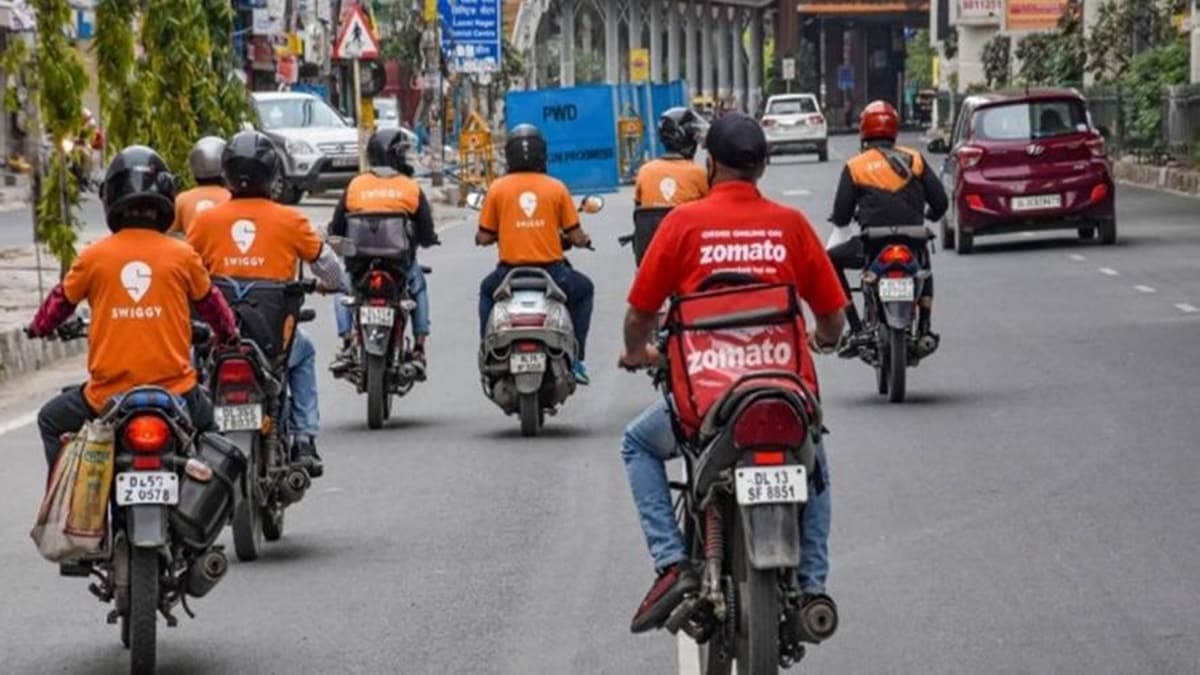
Quick commerce platforms such as Blinkit, Zepto, and Swiggy Instamart are set to become the largest online channel for beauty and personal care (BPC) in India by 2030. According to a report by Redseer Consulting, the share of quick commerce in the BPC segment is set to jump from 15% in FY25 to 30-40% by FY30.
The same report estimates India’s BPC market will expand to $40 billion by FY30 from $23 billion in FY25, while e-commerce rises to account for 34-38% of total BPC spends by the end of the decade.
Quick commerce to overtake horizontal marketplaces
Redseer’s projections suggest quick commerce will not merely grow as an additional channel, but will reorder the online BPC hierarchy. Horizontal marketplaces, such as Flipkart and Amazon, are expected to fall from approximately 40% share of online BPC in FY25 to 20-30% by FY30. Vertical beauty platforms, typically, the platforms that focus on low-priced products such as Meesho and Shopsy, are also projected to decline from 27% to 15-25% over the same period.
Quick commerce, in contrast, is projected to more than double its share, driven by hyperlocal delivery models built around speed and convenience, including delivery promises of within 30 minutes.
Online growth will increasingly come from new formats
As per the report, the next phase of online growth in the BPC segment will be driven by newer retail models that reshape the purchasing behaviour of consumers. Redseer projects that “new models such as quick and value commerce” will together contribute ~50% of e-commerce in BPC by 2030.
Value commerce platforms, focused on low-ASP or low-priced products and long-tail products, are expected to rise from ~8% share of online BPC in FY25 to 10-15% by FY30, while D2C (brand-owned sites and apps) is projected to remain at around ~10%.
Gen Z and Alpha will drive half of BPC spends by 2030
Gen Z and Gen Alpha together are projected to drive 50% of BPC spends by FY30, up from 32% in FY24. Millennials, who currently account for the largest share, are projected to fall to ~44% from 62% over the same period.
India’s BPC market is projected to grow at around 12% between FY25 and FY30, expanding from $23 billion to $40 billion, and becoming the fourth-largest BPC market globally, the report added.
Within that growth, e-commerce is expected to play a disproportionate role. Redseer projects that online penetration will rise from 20% in FY25 to 34-38% by FY30, making BPC one of the few Indian categories where e-commerce adoption is projected to mirror China’s trajectory.
New-age brands are expected to scale alongside the channel shift
The report also estimates that the next phase of growth will see a much larger set of scaled digital-first brands. It projects that 150+ new-age BPC brands will cross Rs 100 crore in revenue by 2030, and that these brands will together drive 25-30% of India’s BPC spends by the end of the decade.
This cohort is expected to be better positioned to serve Gen Z and Alpha, which Redseer describes as India’s largest consumer cohort by 2030.
Why quick commerce is becoming an immediate priority
Redseer frames quick commerce as an “immediate priority” for the industry, noting that e-commerce is already addressing longstanding distribution constraints in BPC. Historically, the category has been limited by fragmented supply chains, purchases skewed toward local grocery and pharmacy stores, and limited discovery-led retail.
With quick commerce, the report suggests, the category is entering a phase where speed and convenience can sit alongside discovery, particularly for urban and younger consumers.